
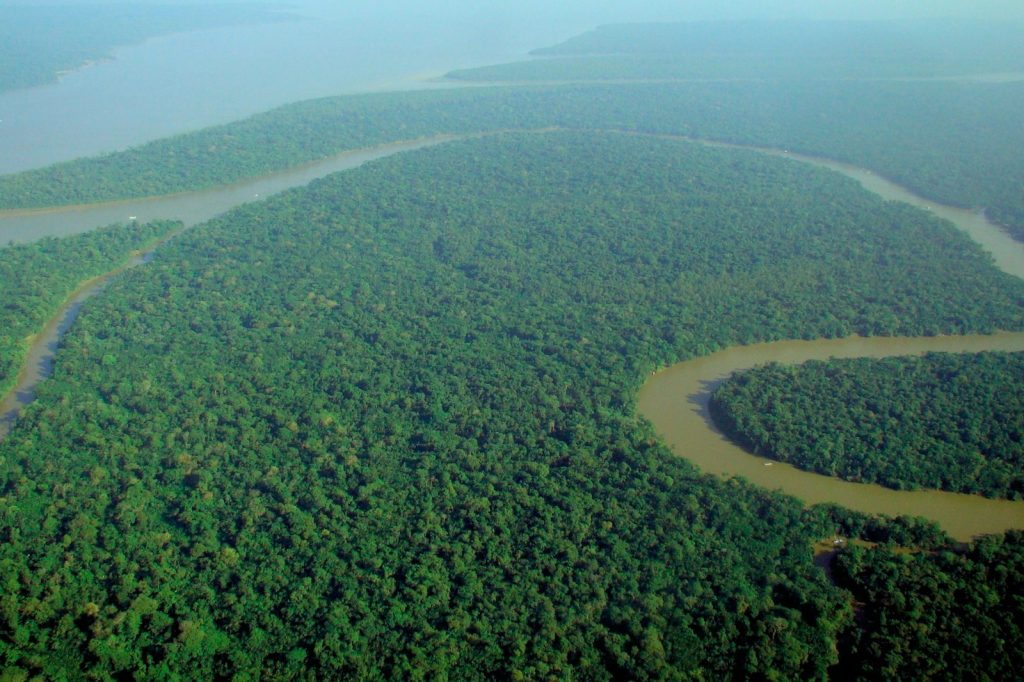
Brazil’s government announced that annual deforestation in the Amazon fell to 3,335 square kilometers from August 2025 through July 2026, the lowest level since records began in 1988. This record-low rate is being maintained not only through federal enforcement but also through strengthened indigenous territorial control and community-led monitoring efforts.
Indigenous Land Rights as a Defense Against Forest Loss
Under President Luiz Inácio Lula da Silva’s administration, the revival of the Action Plan for the Prevention and Control of Deforestation in the Legal Amazon (PPCDAm) has included recognizing and protecting Indigenous territories as a core strategy. The plan, originally launched in 2004, was reinstated in January 2023 after being shelved under the previous administration. Officials noted that restoring environmental law enforcement and resuming efforts to establish protected areas and recognize Indigenous territories have contributed to the decline. Data shows that deforestation has fallen 71% since 2023 under Lula’s leadership. Indigenous lands, which cover significant portions of the Amazon, have demonstrated lower rates of forest loss compared to surrounding areas, acting as effective barriers against encroachment.
Community-Based Monitoring and Sustainable Economy Programs
The PPCDAm includes strengthening monitoring, promoting a sustainable economy, managing protected areas, and using financial incentives to curb deforestation. One of the most effective tools identified has been restoring sanctions for illegal forest clearing detected by satellites. The government allocated more funding to priority Amazon municipalities that demonstrated reductions in forest loss. Beyond enforcement, programs supporting sustainable livelihoods — such as subsidized credit for sustainable businesses and efforts to fight environmental crime — have been funded under the plan. These initiatives aim to align forest conservation with economic opportunity, reducing pressure to clear land for agriculture or logging.
Political Opposition and Climate Risks Challenge Gains
Seven of the nine governors of Amazon states are allied with Flávio Bolsonaro, who has campaigned on reducing protections for the Amazon. This political alignment poses a threat to the continuity of current policies should opposition gain influence after the October 25 presidential election run-off. Beyond politics, the near-term outlook is challenged by a super El Niño event brewing in the Pacific, which is associated with drought in the southern Amazon and increased fire risk in the following year. Brazil accounts for just over 60% of the Amazon rainforest.
Evidence That Conservation and Growth Can Coexist
Márcio Astrini, executive director of the Climate Observatory, a Brazilian network of environmental groups, said the formula of determination, enforcement on the ground, fighting crime, and enforcing the law has proven effective. He added that agriculture has been setting production and export records while deforestation has fallen, disproving the narrative that environmental protection holds back development. Outside the Amazon, deforestation in the Cerrado biome fell to its lowest level since 2001 at 5,516 square kilometers, down 48.4% over the past four years. These results show that reducing forest loss can occur alongside economic activity in key sectors.
What Happens Next: Election Outcome and Long-Term Safeguards
The maintenance of low deforestation rates depends on whether current policies continue after the election. Lula faces a tough re-election bid later this month, raising concerns about whether recent progress will continue. The PPCDAm’s success relies on sustained funding, enforcement, and support for Indigenous and community-led initiatives. Without these elements, gains could reverse. The current trend demonstrates that deforestation decline is not solely tied to government action but also to territorial rights and local stewardship, offering a model for sustaining progress beyond any single administration.
The Role of Environmental Law Enforcement in Deforestation Decline
President Lula’s administration has prioritized restoring environmental law enforcement, which has been instrumental in reducing deforestation rates. This includes reinstating sanctions for illegal forest clearing detected by satellites, a practice that was halted under the previous administration. The government has also proposed denying bank loans to properties with illegal deforestation, further incentivizing compliance with environmental laws. These measures have been effective in deterring illegal activities and promoting sustainable land use practices.
Additionally, the government has allocated more funding to priority Amazon municipalities that demonstrate reductions in forest loss, encouraging local authorities to take an active role in conservation efforts. This targeted approach has helped to concentrate resources in areas with the highest need, maximizing the impact of enforcement actions. The restoration of environmental law enforcement, combined with community-led monitoring and indigenous territorial control, has created a comprehensive framework for protecting the Amazon rainforest.
The Impact of Indigenous Territories on Forest Preservation
Indigenous territories have emerged as crucial strongholds against deforestation in the Amazon. These areas, which constitute significant portions of the rainforest, have consistently demonstrated lower rates of forest loss compared to surrounding regions. The recognition and protection of Indigenous lands under President Lula’s administration have been pivotal in this regard. By granting Indigenous communities territorial control, the government has empowered them to act as stewards of the forest, effectively deterring encroachment and illegal activities.
The success of Indigenous land rights in preserving forests is evident in the data. Areas under Indigenous management have shown remarkable resilience to deforestation pressures, serving as vital buffers against environmental degradation. This approach not only safeguards biodiversity but also respects the cultural and historical connection of Indigenous peoples to their lands, aligning conservation efforts with social justice.
Sources
- Brazil says Amazon deforestation fell to the lowest level since 1988
- Brazilian Amazon deforestation falls to lowest on record as pivotal vote looms
- Amazon deforestation falls 42% to a record low
Photo: Agência Senado (CC BY 2.0)




