
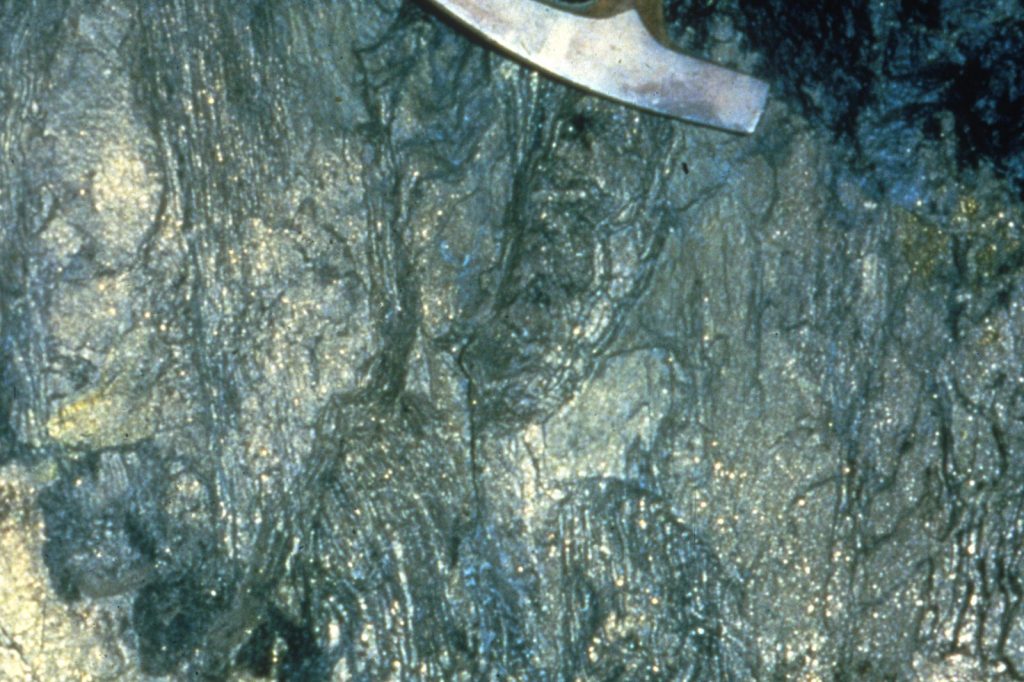
The history of nickel mining in Indonesia stretches back to the Dutch East Indies period, when early exploratory efforts were modest in scope. However, the industry’s transformation did not begin until the 1960s, a decade that fundamentally altered the country’s position in the global market.
Prior to that pivotal era, Indonesia was a marginal player in nickel production. Dutch colonial operations had conducted some digging, but never at a scale that registered internationally. The 1960s brought a wave of investment that changed everything.
Larger mining operations were established, production capacity expanded significantly, and Indonesia began its steady ascent to the top of the world nickel market. Today, Indonesia holds both the largest annual nickel production and the biggest reserves of the metal on Earth.
This dominance is no accident. The islands of Sulawesi and Halmahera are the key reason, as they contain substantial nickel deposits. Without these two islands, Indonesia’s position in the global market would be dramatically different.
The nickel industry now drives the national economy. It provides employment, generates government revenue, and fuels economic growth.
Demand for nickel shows no signs of weakening. The metal is essential for stainless steel production, and while the report does not specify battery applications, it makes clear that demand is expected to remain strong. Consider the scale of the transformation. Indonesia went from small Dutch-era probes to the world leader in nickel production.
That shift did not happen overnight. The 1960s expansion was the turning point that set the trajectory.
Everything that followed—the jobs, the revenue, the global market share—rests on decisions made decades ago. The report focuses on economic benefits and does not address environmental costs, social disruption, or the politics of resource extraction. The angle is straightforward: Indonesia has nickel, it mines nickel, and that matters globally.
Why does this matter now? Because the world needs nickel.
Stainless steel production consumes vast amounts, and new technologies from electric vehicles to renewable energy storage are increasing demand further. Indonesia is not just a supplier; it is the supplier. No other country produces more or holds more reserves.
The islands of Sulawesi and Halmahera carry that weight. Their geology made Indonesia dominant, but geology alone does not build an industry.
The 1960s investment did. The establishment of larger mining operations did. The willingness to scale up did.
The story of Indonesian nickel is a story of resources and timing. The resources were always there, buried in Sulawesi and Halmahera.
The timing came in the 1960s, when investment flowed in and operations expanded. The result is an industry that now leads the world. That leadership is not guaranteed to last forever—reserves can be depleted, competition can emerge, demand can shift—but right now, Indonesia sits at the center of the global nickel market.
The Dutch-era explorers could not have imagined it. The 1960s investors probably did.
And the country is still reaping the rewards.




