Project Kilby is expected to deliver approximately 2.67 gigawatts. That is the first power project for Joulent, a new energy company that launched on June 22 with backing from Engine No. 1.
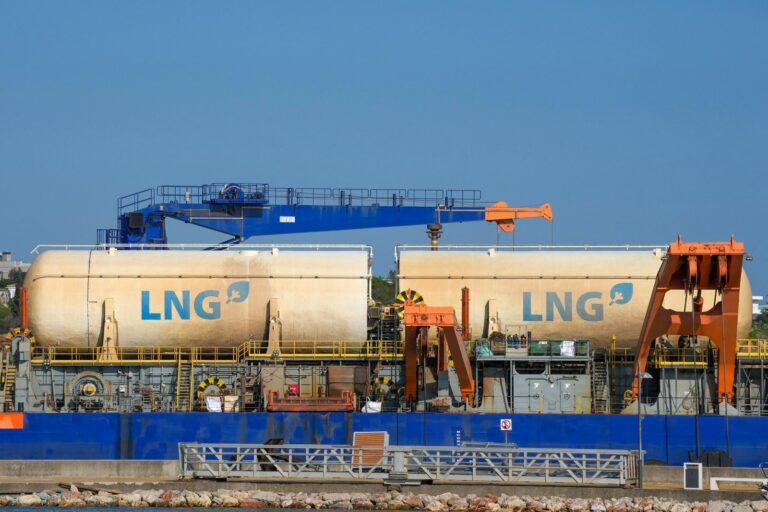
Kilby is a natural-gas facility in West Texas, built next to a data center that Microsoft operates. Engine No. 1 and Chevron have been working on it together. A 20-year power purchase agreement ties it to Microsoft, signed by Energy Forge One LLC, a wholly owned Chevron subsidiary.
Joulent, which is privately held, says it was founded and developed over three years by Engine No. 1 in strategic collaboration with GE Vernova. It describes itself as a technology-driven energy company built to supply continuous, multi-gigawatt power at the pace of current innovation.
The pitch to ratepayers
The company is betting that big computing customers can bring their own generation. Chris James, founder and CEO of Engine No. 1 and Joulent, framed it as a race. “Leadership in the AI era will be determined by who can deliver energy and compute the fastest, most reliably, and at the lowest cost,” he said.
He added that new generating facilities spare existing grids and keep bills affordable for ratepayers. Of the Microsoft deal, he said the company “has taken a huge step to address current demand for more compute without impacting power prices in the community in which they will be operating.”
Kilby is designed to serve hyperscale AI workloads while limiting the effect on the regional grid that consumers rely on.
Noelle Walsh, Microsoft’s president of Cloud Operations + Innovation, said AI and cloud are moving at a pace that calls for closer coordination between energy and infrastructure. Working with Joulent, she said, lets Microsoft line up long-term power with its growing capacity needs. She also said the company is pleased to deepen its presence in the region.
Across-the-Meter
Joulent calls its model “Across-the-Meter.” It builds large new power plants beside the customer’s demand and connects them to the grid later. The company says that allows quick scaling to multi-gigawatt campuses. Over time, capacity that Joulent projects can export is expected to help local power markets expand.
Solar is the first renewable addition planned. Joulent says the structure leaves room to add clean generation in later phases.