
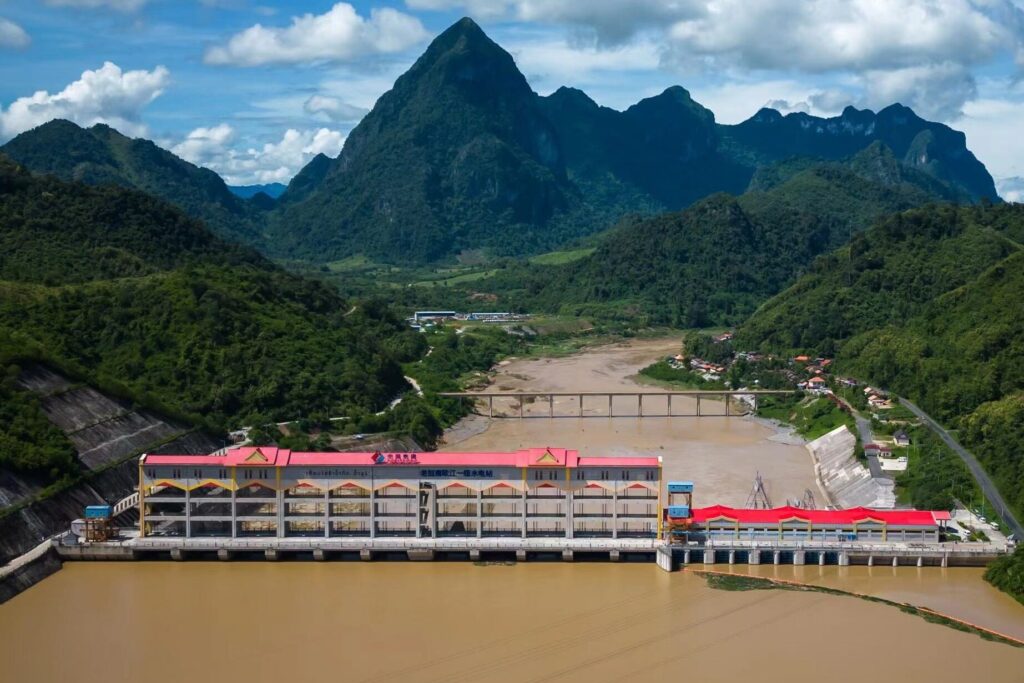
Since 2010, Laos has constructed more than 70 dams on the Mekong River and its tributaries, rapidly turning the land‑locked nation into a key electricity supplier for Thailand, Vietnam, Cambodia and Myanmar. The government’s ambition to raise installed capacity from roughly 10,000 MW today to 30,000 MW by 2030 has been pursued largely through “run‑of‑river” schemes that divert water through turbines without forming large reservoirs. Even without massive storage, the projects demand extensive roads, transmission lines and worker camps, reshaping vast forested areas.
Environmental monitoring groups and overseas researchers warn that the pace and scale of dam building are outstripping the country’s ability to manage ecological consequences. Dr. Somsak Chanthavong, a hydrologist at the National University of Laos, notes that the sheer number of dams erected in such a short period is unprecedented for a nation of Laos’ size, leading to cumulative impacts that were not fully considered when individual projects received approval.
Deforestation linked to dam construction has accelerated sharply. Satellite analyses by Global Forest Watch reveal a 40 % rise in forest loss within dam‑related zones between 2015 and 2023 compared with the preceding decade. The cleared land accommodates access roads, power lines and temporary settlements, further fragmenting habitats.
The Mekong’s inland fisheries—among the world’s most productive and a primary protein source for about 60 million people across Southeast Asia—are suffering. Dams obstruct migratory routes, modify flow regimes and trap sediment that would otherwise nourish downstream floodplains.
According to Dr. Khamphone Vongxay of the Mekong River Commission, fish catches in the lower Mekong have dropped by an estimated 30 % over the last 15 years, with hydropower projects identified as a principal driver alongside overfishing and climate change. Sediment retention also jeopardises the Mekong Delta in Vietnam. A 2024 study published in *Nature Sustainability* estimates that Lao dams capture up to 60 % of the sediment that would normally replenish the delta, hastening erosion and saltwater intrusion.
The Nam Theun 2 dam, one of the country’s largest, created a reservoir that inundated 450 km² of forest and has been linked by downstream residents to reduced fish stocks and altered water quality. Human displacement accompanies the infrastructure surge.
International Rivers reports that around 100 000 Lao citizens have been relocated since 2000 for hydropower projects. Many resettled families receive compensation deemed insufficient, struggling to sustain livelihoods. Village chief Bounthong Sisouphanh of Khammouane province, whose community moved for the Nam Theun 2 dam, recounts promises of new homes, schools and jobs that have not materialised, noting that the replacement land is poor for agriculture and that fishing yields have declined.
While the Lao Ministry of Energy and Mines mandates that developers restore incomes to pre‑project levels, implementation remains uneven. A 2023 World Bank audit of the Nam Theun 2 project found that numerous households still earn less than before relocation, highlighting gaps in enforcement.
Regulatory oversight is fragmented. The Ministry of Energy and Mines authorises most dam permits, whereas the Ministry of Natural Resources and Environment possesses limited power to enforce mitigation measures. Policy analyst Dr. Anoulak Kittikhoun of the Stimson Center points out the inherent conflict when the same agency that promotes dam construction also monitors environmental compliance, leaving independent oversight virtually absent. International financiers such as the Asian Development Bank and the World Bank attach environmental safeguards to the projects they fund, yet many dams are built by Chinese and Thai firms with fewer conditionalities.
The Xayaburi dam, the first mainstream Mekong installation in Laos, began operating in 2019 under a Thai contractor despite objections from downstream nations. Proponents argue that hydropower exports—accounting for about 70 % of Laos’ generated electricity—provide vital foreign exchange, fund infrastructure and support poverty‑reduction programmes.
A spokesperson for the Ministry of Energy and Mines, speaking anonymously, described hydropower as a renewable resource that displaces coal‑based generation in importing countries and affirmed a commitment to sustainable development with international partners. Critics counter that the advantages are overstated. The International Union for Conservation of Nature’s 2024 report warns that methane emissions from tropical reservoirs can make some dams less climate‑friendly than fossil fuels.
Moreover, the bulk of exported electricity serves industrial users in Thailand rather than addressing Laos’ own rural electrification gaps. Looking ahead, experts call for stronger enforcement of existing regulations, independent monitoring and a shift toward smaller, less invasive projects.
Without such measures, the environmental toll of Laos’ hydropower boom is set to rise, threatening the very ecosystems that underpin the country’s energy ambitions.




