
The element lithium is defined by a fundamental instability that dictates every aspect of its handling and use. This characteristic explains why the metal must be stored carefully, tarnishes rapidly when exposed to air, and is never found in a pure state in nature. At the atomic level, the lithium nucleus possesses one of the lowest binding energies per nucleon among all stable nuclides, meaning it is held together with minimal force.
This chemically anxious element powers much of contemporary life, yet it is inherently reactive. It corrodes easily and requires storage in a vacuum, an inert atmosphere, or submerged in purified kerosene or mineral oil.
Exposure to open air causes its metallic luster to disappear, first turning a dull silvery gray and then developing a black tarnish. Lithium is also the least dense solid element under standard conditions and is physically soft. However, its reactivity remains its most significant property, serving as both the source of its utility and its danger.
The same quality that makes lithium effective in batteries and alloys also necessitates its isolation from air and water. These two aspects are inseparable.
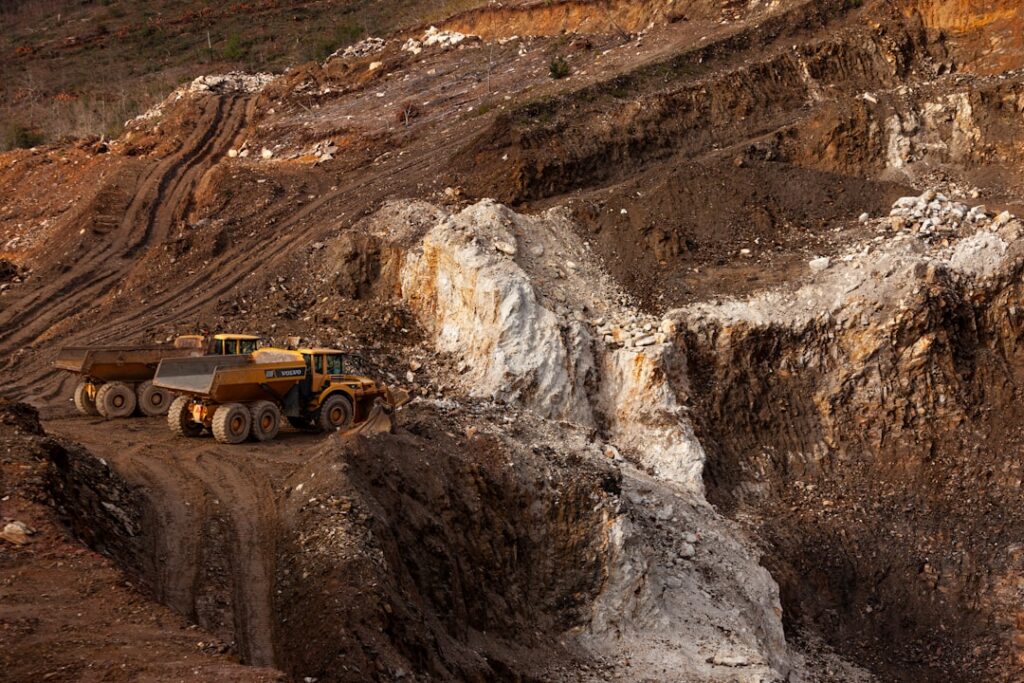
Lithium does not occur freely in nature. It is found locked within pegmatitic minerals, which historically served as the primary source, though today it is commonly extracted from brines. Because the lithium ion is soluble, it accumulates in ocean water.
The extraction process is electrolytic, isolating the metal from a mixture of lithium chloride and potassium chloride. This process has been refined over time to become more efficient and cost-effective.
Yet the fundamental challenge persists: extracting a reactive metal from stable compounds and then maintaining that isolation. Two stable isotopes of lithium exist, both characterized by low binding energies. This atomic-level instability manifests in the metal’s behavior in industrial and laboratory settings. Lithium is not a passive material; it actively seeks to react.
This core fact is often overlooked in broader discussions that frame lithium primarily as a resource, a commodity, or a key component of the energy transition. Conversations about reserves and supply chains frequently ignore the element’s physical and chemical constraints.
Lithium corrodes, it can catch fire, and it must be kept isolated from the environment. These constraints will not diminish as demand increases. A report dated September 12, 2024, notes that understanding of lithium’s characteristics continues to evolve, driven by research and technological advancements.
However, the basic properties of the element—its low density, high reactivity, and need for inert storage—have been known for decades. What is new is the scale of lithium use and the resulting pressure on handling and safety protocols.
Lithium is light, reactive, and its nucleus is barely stable. These three facts form the foundation of its story. The brines, pegmatites, and electrolytic extraction methods are all workarounds for these inherent facts.
While the workarounds have improved, the facts themselves remain unchanged.




