
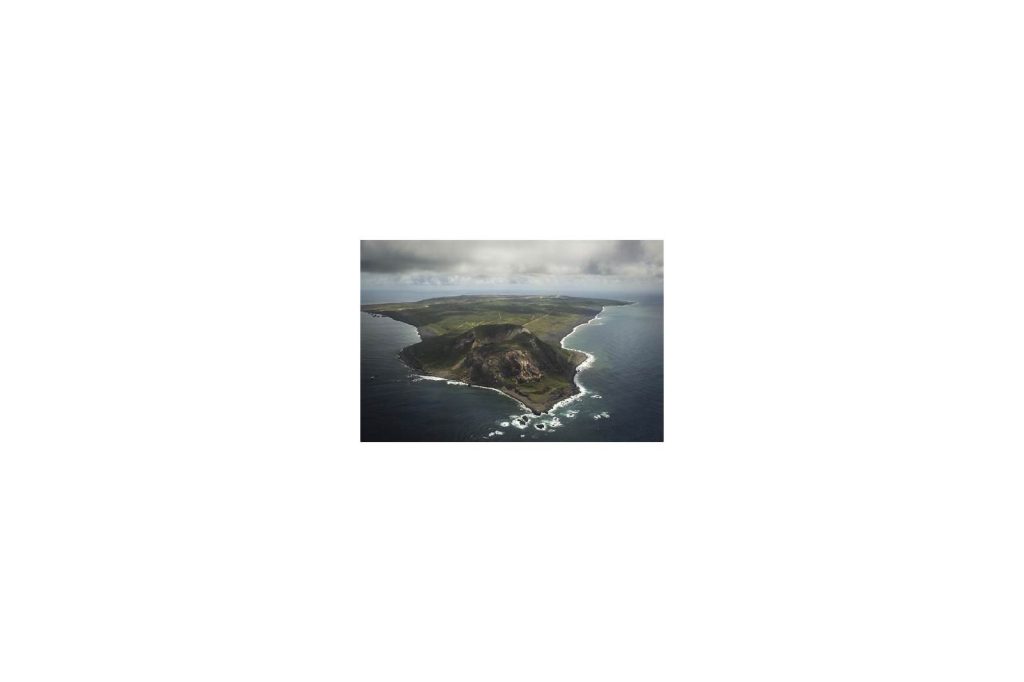
On November 3, magma reached the surface close to Iwo Jima for the first time in more than a millennium, creating a nascent landmass that scientists are rushing to study before the ocean erodes it away. The eruption marked the end of a volcanic silence that had lasted at least 1,000 years for the system responsible.
Geographic Context of the Island
Iwo Jima spans 21 square kilometres and is dominated by Mount Suribachi, which rises 169 metres above sea level. The island’s name translates to “Sulfur Island,” reflecting the persistent presence of volcanic gases in its atmosphere. It lies within the Ogasawara Archipelago, a chain administered by the Tokyo Metropolitan Government despite being roughly 1,200 kilometres south of the capital.
Scientific Significance of the New Island
The freshly formed island is expected to be short‑lived; wave action and seawater dissolution will likely reclaim it within months. This transient nature gives researchers a narrow window to collect rock samples, measure its composition, and determine the exact magma type that ascended from depth.
Missing this opportunity would mean losing valuable data about a magmatic system that had shown no eruptive activity for a thousand years.
Logistical Challenges
The remote location complicates rapid deployment of instruments and personnel. Transporting equipment to the site is not straightforward, and the limited observation period adds pressure on field teams.
Despite these hurdles, volcanologists view the event as a rare chance to study a volcano that reawakened after a long dormancy.
Implications for Hazard Assessment
Iwo Jima hosts a Japanese Self‑Defense Force base, and its volcanic character has necessitated ongoing monitoring due to sulfur emissions. The magmatic eruption after a millennium of quiet prompts a reassessment of potential hazards for the installation and surrounding areas.
Authorities must now consider whether this event signals a renewed phase of activity for the underlying volcanic system.
Historical Layer and Symbolic Resonance
The island’s soil already bears the weight of history, having been the scene of one of World War II’s most intense battles. The emergence of a new landmass off its coast adds a symbolic dimension, although scientists emphasize that their focus remains on geological processes rather than historical narratives.
Broader Scientific Questions
Beyond the immediate locale, the eruption offers insights into how the Earth generates new land, how magma chambers recharge after extended silences, and how volcanic arcs evolve over geological timescales. Researchers treat the event as a natural experiment that could refine volcanic hazard models for years to come.
Possible Futures for the New Landform
The eruption may continue, building the island higher and wider, or it may cease abruptly, leaving a modest rock fragment that the sea will quickly dismantle. Either outcome will contribute knowledge about the lifespan and behavior of transient volcanic islands. The clock is ticking, and the ocean does not wait for delayed observation.




