
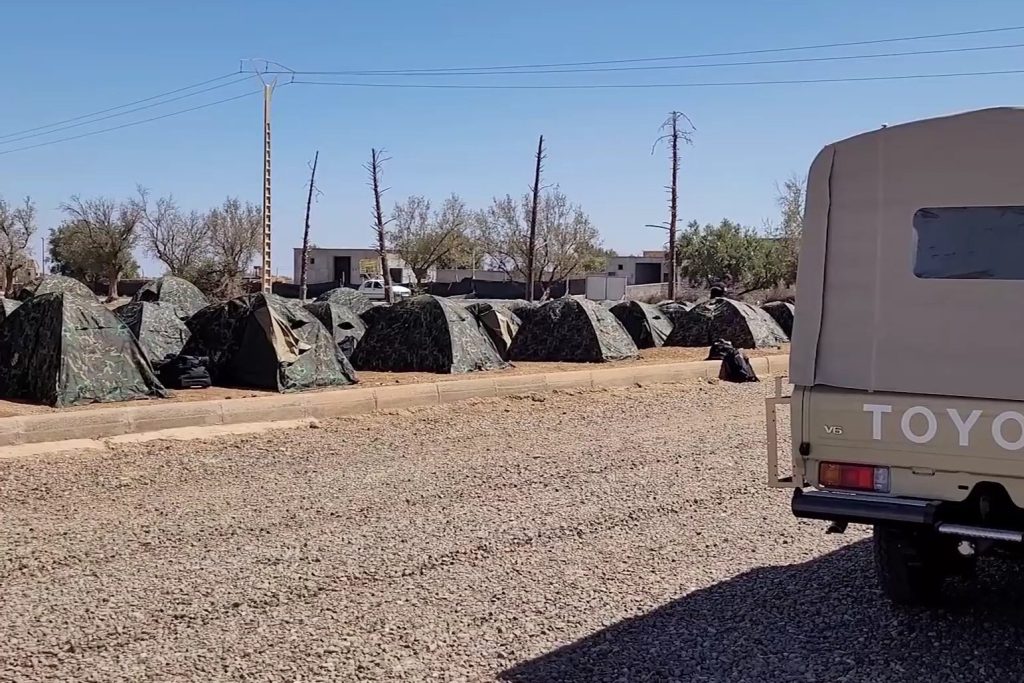
A powerful magnitude 6.8 quake struck Morocco’s Chichaoua Province on September 8, 2023. The tremor’s epicentre lay within this province, underscoring the area’s exposure to seismic activity. Morocco’s position in a seismically active zone makes such events a recurring risk, and this disaster serves as a stark reminder of the need for robust infrastructure and effective preparedness measures.
Human Toll and National Mourning
The earthquake caused a significant loss of life, with at least 2,012 people confirmed dead. In recognition of the tragedy, authorities proclaimed three days of national mourning.
This period offers a solemn acknowledgment of the lives lost and the profound impact on affected communities, while also acting as a unifying gesture that brings the nation together to support survivors and honour the victims.
Immediate Impact and Rescue Operations
Widespread destruction followed the shock, reducing numerous buildings to rubble and disrupting essential services such as water, electricity, and communications. Rescue teams have been working tirelessly to locate survivors and deliver aid, including medical care, food, and shelter.
As the full scope of the damage becomes clearer, coordinating relief efforts remains a considerable challenge for officials, who must prioritize the most urgent needs of the displaced population.
Environmental and Secondary Hazards
Beyond the immediate human cost, the quake raises environmental concerns. The collapse of infrastructure and buildings can trigger secondary hazards like landslides and water pollution. Protecting the natural environment is viewed as essential for the well‑being of both the planet and its inhabitants, since intact ecosystems are better able to withstand natural shocks and assist recovery.
Toward a Resilient and Sustainable Reconstruction
As Morocco begins to rebuild, there is an opportunity to embed sustainable and resilient practices into the reconstruction process. Incorporating such approaches can contribute to a more secure and environmentally conscious future. Particular attention is being given to energy security; renewable sources such as solar and wind power can supply reliable electricity while reducing dependence on fragile grids.
Investing in renewables is expected to enhance national energy security, lower costs, and create a more resilient power network, thereby helping to mitigate the effects of future disasters and keep essential services operational.
International Support and Long‑Term Outlook
The international community has extended support and solidarity to Morocco as the nation processes the tragedy and embarks on reconstruction. The road to recovery is anticipated to be long and demanding, but a sustained focus on disaster resilience, sustainable development, and environmental stewardship can enable the country to emerge stronger. The earthquake has highlighted the critical roles of preparedness, sturdy infrastructure, and community cohesion—lessons that will prove invaluable in shaping a safer and more




