
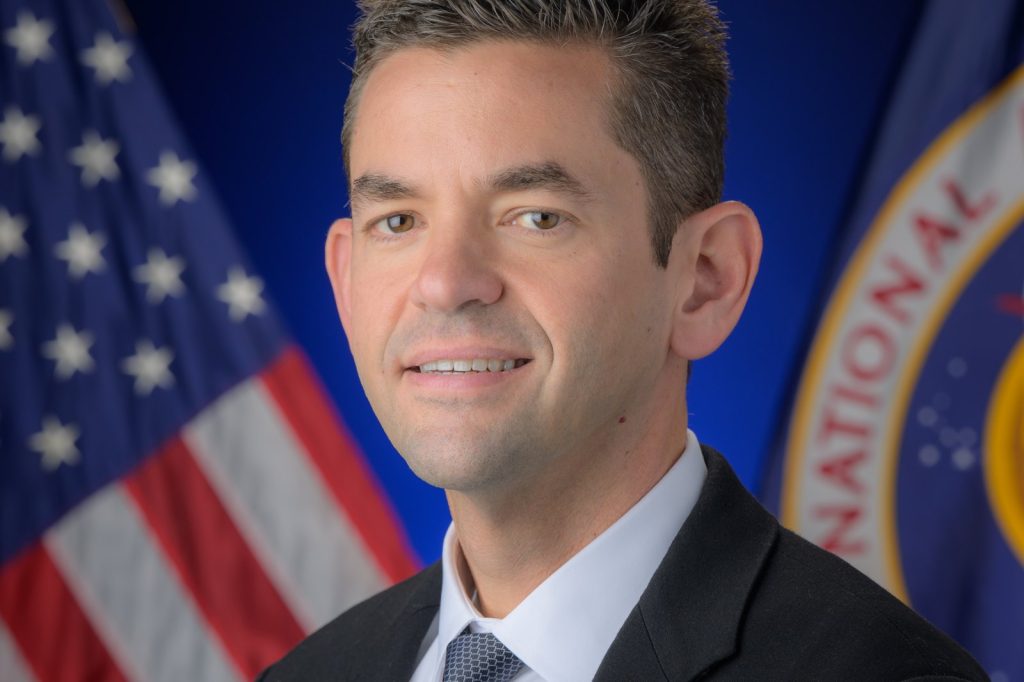
More than half a century after the last Apollo astronaut left the Moon, getting humans back onto the lunar surface has once again become a contest between superpowers — and according to the head of NASA, the finish line is closer than most people realise.
“I’m very aware of the fact that there is a second space race,” NASA Administrator Jared Isaacman said. “It will come down to months, not years.” He went further, warning that China is determined to land its own astronauts on the Moon: “The Chinese will absolutely put their astronauts on the surface of the Moon, do what the Soviets never could, and I think the implications of that will be felt around the world.”
A race with national-security stakes
This is not the triumphant, open-ended exploration of the Apollo era. Isaacman and other U.S. officials have framed the return to the Moon as a strategic contest with real national-security weight. The concern is not merely prestige, but who sets the rules, controls the most valuable landing sites, and establishes a lasting presence first.
The lunar south pole is the prize. Its permanently shadowed craters are believed to hold water ice — a resource that could be converted into drinking water, breathable oxygen and even rocket propellant, making sustained operations and deeper missions to Mars far more feasible. There are only so many prime locations, and the first nation to plant a flag and infrastructure there gains a durable advantage.
Two programs, one deadline
America’s effort runs through the Artemis program, which aims to return astronauts to the surface aboard a system built with partners across U.S. industry. China, meanwhile, has laid out a methodical, well-funded plan to land its own crew before the end of the decade — and has a track record of hitting the milestones it sets.
Isaacman’s “months, not years” framing is a pointed acknowledgement that the gap between the two programs may be narrow. For the United States, the message is one of urgency: schedule slips, technical setbacks and budget fights all carry a cost measured not just in dollars, but in strategic position. For decades the assumption was that America’s lead in space was unassailable. That assumption no longer holds.
There is reason for optimism on the American side. The U.S. retains an unmatched commercial space sector, a deep bench of engineering talent, and a network of allies contributing hardware and expertise. The same private-sector dynamism that has driven down launch costs and revived human spaceflight could be the decisive edge in getting boots back on the Moon.
But the contest is real, and the clock is running. Whichever nation lands first will shape the norms, partnerships and ambitions of the next era of space exploration. After fifty years of the Moon being a place humanity had simply left behind, it is suddenly, once again, the most strategically important destination off the planet — and the race to reach it may be settled sooner than anyone expected.
Remarks by NASA Administrator Jared Isaacman. Watch the clip above.




