
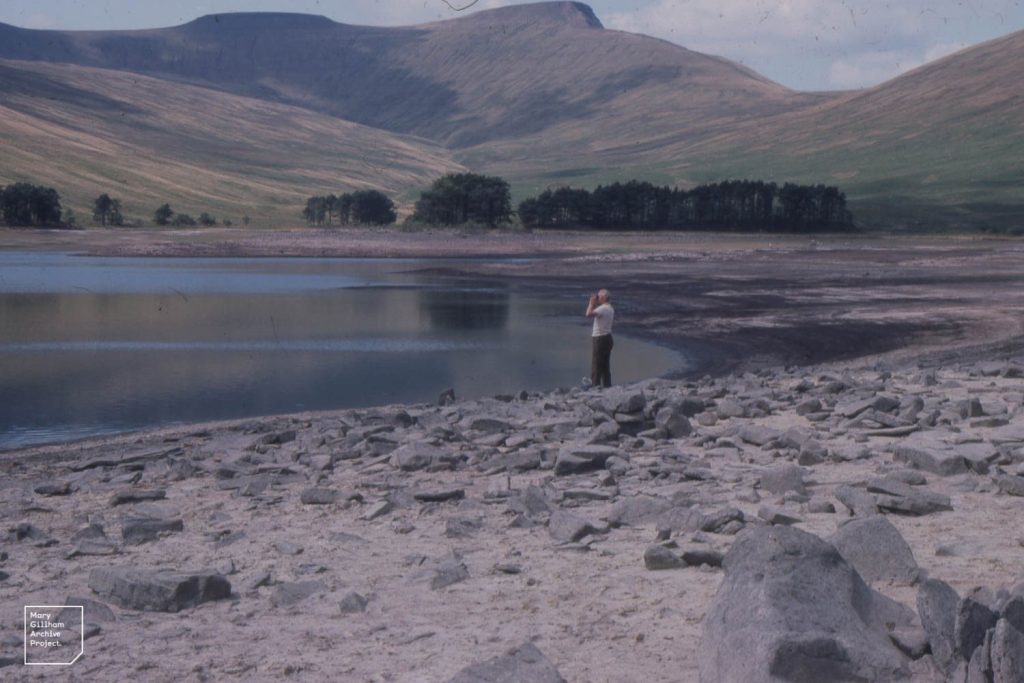
England’s reservoirs sit at 88.6% of capacity, yet the National Drought Group was back around the table on Thursday 18 June. Its last drought had officially ended only three months earlier.
A dry spring is the reason. Across March, April and May, England received just 65% of its average rainfall, and the split was lopsided. Northern England got 90% of the norm. The south got 50%.
A hot end to May
The late May heatwave did its own damage. Some areas logged six days in a row above 30C, and West London set a new May record of 35.1C. Demand for water spiked, and some customers lost public supply for a time.
Groundwater in the chalk is generally normal, and about two-thirds of rivers are flowing near what is usual for the date. The exceptions stand out. The Burn, Yare, Ely Ouse and Cam in East Anglia are notably low, while the River Till in Northumbria is exceptionally low.
East Anglia is expected to slip back into prolonged dry weather next week, with the Cam and Ely Ouse, North-West Norfolk and North Norfolk catchments going first. Devon and Cornwall are on a watchlist for later in the summer. No area is currently in drought.
What officials said
Helen Wakeham, who chairs the group and is the Environment Agency’s Director of Water, struck a cautious note. “We enter summer in a generally favourable position, but we can never be complacent ahead of those crucial drier months,” she said. She added that heatwaves push up demand, and asked people to think about how much they use: “Every drop saved leaves more available for farmers, our local rivers and wildlife.”
Farmers are already feeling it. Spring crops have grown poorly in places, and irrigation began earlier than usual because the soil was so dry. Growers in the east and south east are drawing hard on their farm reservoirs, and there is worry about unirrigated wheat and barley.
Paul Tompkins, deputy president of the National Farmers’ Union, said growers need room to move under their abstraction licences. “Irrigation is vital for the growth of many crops,” he said, and he called for planning rules and reforms that make it easier to store water on farms.
Sarah Davies, the Met Office’s Head of Environment and Energy, described a confusing run of weather: a notably dry spring, a much wetter start to June, then drier and more settled conditions again. The Met Office long-range forecast points to a mostly dry, settled rest of June and July, with temperatures above average for many areas, though changeable spells are possible. England had already seen 89% of its usual June rainfall by the time of the meeting.
She also noted that droughts have hit in 2018/19, 2022 and 2025. A dry, hot summer, the briefing warned, would raise the risk of a flash drought like the one in 2022.
Plans for the summer
The Environment Agency is working with water companies on their drought plans and tracking water levels and rainfall. Companies are still pushing to cut leaks. The agency also expects more attention on wetlands and catchment management to hold rainwater, and its updated irrigation outlook rates most of the country as moderate to good. Parts of East Anglia and the West Midlands could slip to moderate to poor if the summer stays dry.
Small steps at home count too. A leaking toilet alone can waste up to 400 litres a day, close to what most people use in three days. A water butt, a low-flow shower head and the eco setting on dishwashers and washing machines all cut use.
This summer is the 50th anniversary of the 1976 drought, which brought crop failures, rota cuts, standpipes and a plague of starving ladybirds. The UK Health Security Agency has put amber heat health alerts in place for the East of England, London, the South East and the South West.




