
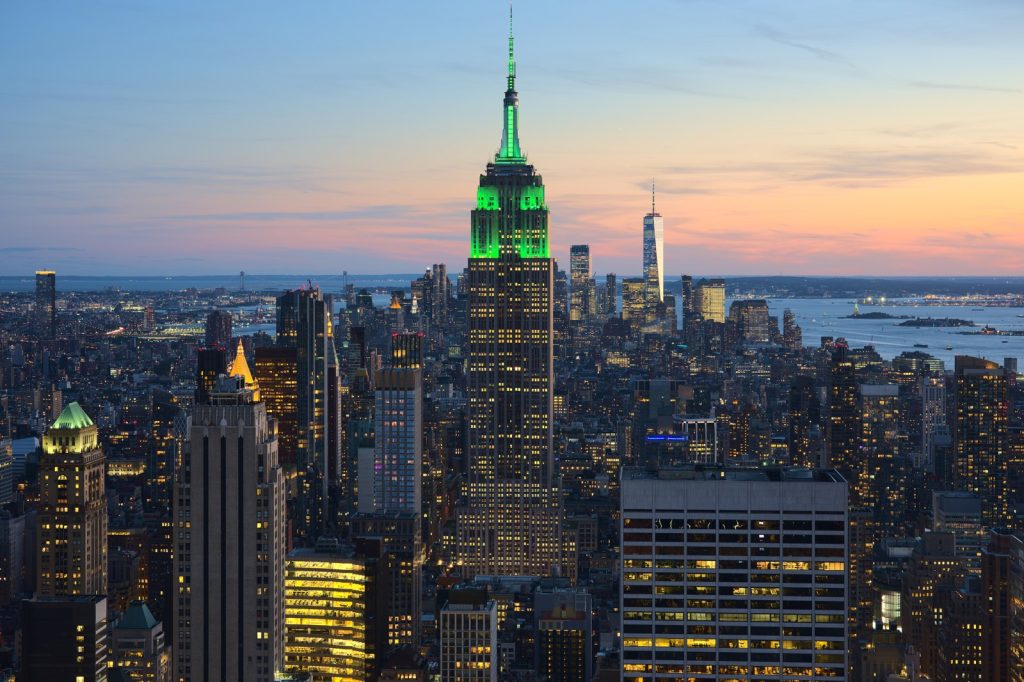
Mid-July 2026 hit New York City from two directions at once: a heat wave and Canadian wildfire smoke thick enough to push air quality into the category regulators call Unhealthy. Mayor Zohran Mamdani expanded the city’s response on July 15, keeping cooling centers open, handing out masks and extending an emergency heat plan through Thursday, when the heat index was forecast to touch the low 90s.
“The combination of dangerous heat and unhealthy air is a serious threat to New Yorkers’ health,” the mayor warned. “If you can, stay somewhere cool with air conditioning, limit your time outdoors, drink plenty of water and check on your neighbors”. The advice aimed hardest at older residents, infants, pregnant people and anyone with heart or lung conditions.
Cooling centers and mask logistics
The city kept hundreds of cooling centers running, listed online and through the 311 line, with accessible and pet-friendly options and service animals welcome. Free KN95 masks went out at more than 200 branches across the New York, Queens and Brooklyn public library systems, every police precinct, nine firehouses and four major transit hubs, with the transportation, economic development and aging agencies and local council members adding pickup points. Thursday’s expansion stretched the network across every branch of the New York Public Library plus more outdoor summer events.
“Our administration is opening cooling centers, distributing free masks and expanding outreach across the five boroughs.” Mamdani said. Emergency management commissioner Christina Farrell described the machine underneath: “Outreach workers, librarians, firefighters and police officers are handing out masks in every borough, and cooling center staff are opening doors to anyone who needs relief.”
The street-level response
The Department of Social Services ran Code Grey alongside the Code Red heat posture. Outreach teams stepped up canvassing to move homeless residents into air-conditioned spaces, COOL vans fanned out to check on older adults and hand out supplies, and shelters took walk-ins. Schools were told to sharply limit outdoor activity and reschedule field trips while checking ventilation and air conditioning; Parks canceled many outdoor programs, including children’s swim, and moved camps indoors where it could. Health, administrative and occupational safety agencies coordinated protection for outdoor workers, and city hall issued remote-work guidance.
The state and the weekend turn
Governor Kathy Hochul’s departments of environmental conservation and health kept a statewide air quality advisory running through Thursday. “With smoke from Canadian wildfires again impacting air quality throughout our state, we’re urging New Yorkers to be air quality aware to stay safe this week,” she said. In Westchester, county health commissioner Sherlita Amler put it more bluntly: “Please take this heat seriously. When it is this hot and humid, drink plenty of water, avoid alcohol, and take frequent breaks from outdoor work if it cannot be rescheduled,” she urged.
The weather then twisted the knife. After a brief reprieve on Friday, the smoke rolled back over New York and its neighboring suburbs on Saturday, and strong to severe thunderstorms followed, prompting a Flash Flood Warning through 2 pm and a forecast of damaging gusts and a few isolated tornadoes.
Residents were told to sign up for alerts by texting NOTIFYNYC to 692-692. The mayor’s closing line doubled as the city’s posture for the week: “We’ll get through this the same way we always do: together.”
Sources
- Mayor Mamdani Expands City Response to Dangerous Heat, Worsening Air Quality – NYC Mayor's Office
- Mayor Mamdani expands NYC response to heat, worsening air quality – ABC7 New York




