
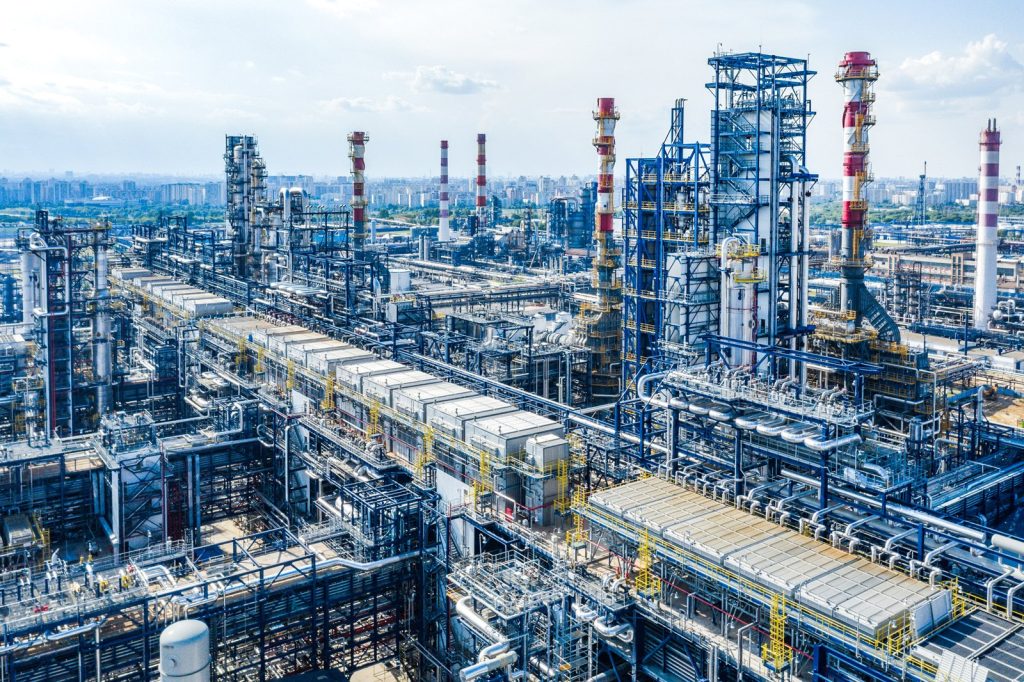
“The Special Ops have struck the largest and ‘inaccessible’ Russian refinery in Omsk. 3,000 km!” Ukraine’s Special Operations Forces (SSO) posted that on Telegram on July 6, calling it the deepest long-range strike of the full-scale invasion.
Other accounts give a shorter distance. The Moscow Times put the Gazprom Neft-operated plant, on the northern outskirts of Omsk in western Siberia, around 2,500 kilometers (1,550 miles) from Ukraine’s border. Dnipro Osint, a monitoring group, also said more than 2,500 kilometers.
What was hit
The SSO said the strike damaged critical equipment, among it the ELOU-AVT-11 primary crude oil processing unit, which it called the plant’s most important installation. “Without primary refining, all other facilities simply have no raw materials,” the agency said. The General Staff gave the unit a design capacity of 8.4 million tons of oil per year and said a direct hit started a fire. It said the full extent of the damage was still being assessed.
Dnipro Osint claimed the attackers used modernized FP-1 drones, a new generation of Ukrainian long-range aircraft, and recorded a direct hit on the unit’s processing columns. The Moscow Times said NASA satellites picked up multiple fire hotspots at the facility that Monday evening.
The General Staff described Omsk as the last of Russia’s 11 largest gasoline producers to be struck by Ukrainian forces, and said the refinery plays a role in fueling the Russian military.
The plant and its weight in the market
The refinery belongs to Gazprom Neft and employs more than 3,300 people. It processes over 21 million tons of oil annually, according to Kyiv Post. Sources told Reuters it handled around 23 million metric tons last year. After a modernization program finished in 2025, the plant reportedly reached nearly 100% oil processing depth, and in 2024 it made more than 50 petroleum products that met the Euro 5 fuel standard. Beyond gasoline, it turns out benzene, paraxylene, orthoxylene, lubricants, motor and industrial oils, and carbon black feedstock.
The SSO said the plant supplies a significant share of Russia’s domestic gasoline and diesel market and is one of the country’s main producers of aviation fuel. Exilenova+, a Ukrainian monitoring channel, reported that Omsk accounts for about 10% of Russia’s total oil refining capacity and, within the Siberian Federal District, more than half of regional motor fuel demand. Those are claims from the Ukrainian side. Russian outlet Astra wrote that, by other industry data, the Kirishi and Achinsk refineries may have higher capacities, which would make Omsk not the largest.
Moscow’s account
Omsk region Governor Vitaly Khotsenko first wrote on Telegram that Russian air defense forces had shot down drones over the region. Photos and videos on social media showed a large fire on the refinery grounds. Khotsenko later said several drones had reached Omsk’s northern industrial zone and that emergency services were dealing with the consequences. He did not explicitly mention the refinery. The Moscow Times said he confirmed that “several drones” got through layers of air defense.
The Moscow Times called it the first time the Omsk region has come under Ukrainian drone attack since the 2022 invasion. The SSO had its own message. “Special Operations Forces will bring the war back to Russia, no matter how far the enemy hides its targets,” it said.
Ukraine’s HUR military intelligence agency said the same day that it hit the Slavneft-Yanos refinery in the Yaroslavl region, one of Russia’s five largest, about 700 kilometers (435 miles) from the border.
Sources
- Ukraine Strikes Russia’s Largest Oil Refinery in Western Siberia – The Moscow Times
- Ukraine’s New Drones Hit Russia’s Largest Oil Refinery in Record 3,000 Km Strike Into Siberia




