
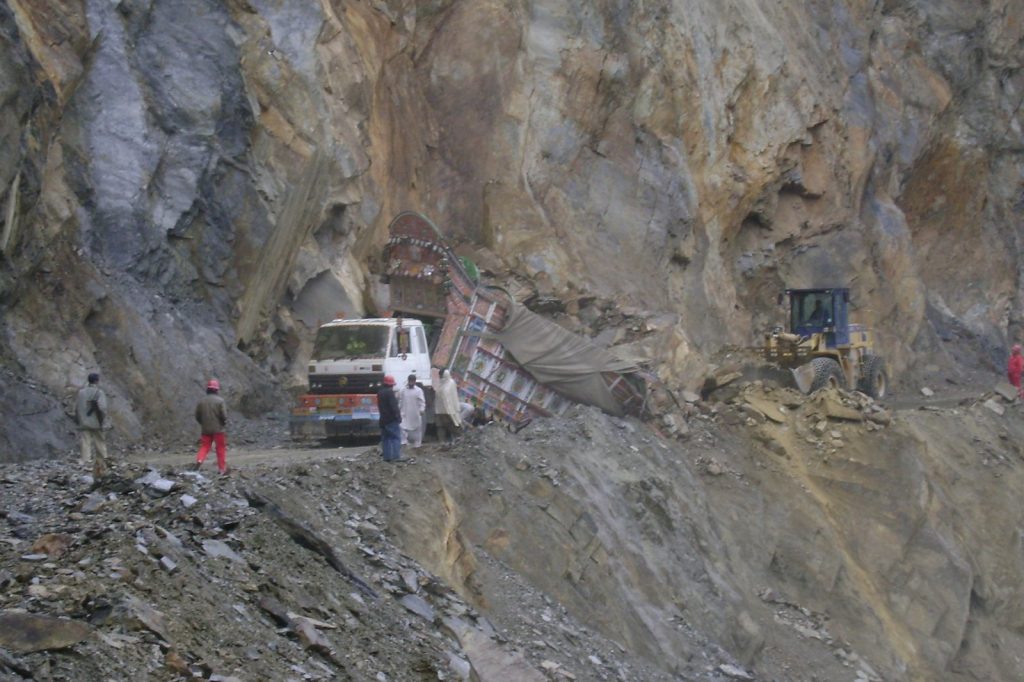
Across Pakistan, relentless downpours have turned into a humanitarian crisis, claiming 36 lives and wounding 50 more. The torrential rain has also triggered a series of landslides, amplifying the destruction in both mountainous and low‑lying zones.
Pakistan’s topography—characterized by extensive highlands and sprawling plains—makes the country especially vulnerable to such extreme weather. Bordered by the Arabian Sea to the south and the Gulf of Oman to the southwest, the nation frequently confronts intense precipitation that can quickly evolve into flooding and slope failures. With a population exceeding 241.5 million, the scale of the disaster is profound.
Authorities are grappling with the immediate need to rescue survivors, provide medical care, and secure shelter for those displaced. Damage to critical infrastructure—roads, bridges, and communication lines—has already been reported, hampering relief operations and disrupting everyday services.
Urban centres such as Islamabad, the capital, and Karachi, the country’s largest city and commercial hub, are expected to feel the impact of the crisis given their size and strategic importance. In addition to physical damage, health officials warn of heightened risks of water‑borne illnesses that often follow extensive flooding. In response, the Pakistani government has activated emergency protocols, deploying military units and other rescue teams to the hardest‑hit areas.
Priorities include delivering food, clean water, and medical assistance, as well as restoring electricity and other essential utilities. The scale of the emergency may also prompt appeals for international aid.
While specific assistance has not yet been detailed, foreign governments and humanitarian organisations are likely to be approached for financial and logistical support to aid the recovery effort. Beyond the immediate response, the disaster underscores the importance of long‑term resilience measures. Experts point to the potential benefits of expanding renewable energy sources—such as solar and wind—to lessen dependence on fossil fuels, lower energy costs, and bolster the country’s capacity to withstand future extreme weather events.
As Pakistan embarks on the arduous path to recovery, the focus remains on safeguarding the wellbeing of its citizens while addressing the broader environmental challenges that exacerbate such calamities. The nation’s ability to rebuild will hinge on coordinated relief actions, sustained investment in sustainable infrastructure, and a collective commitment to a more resilient future.




