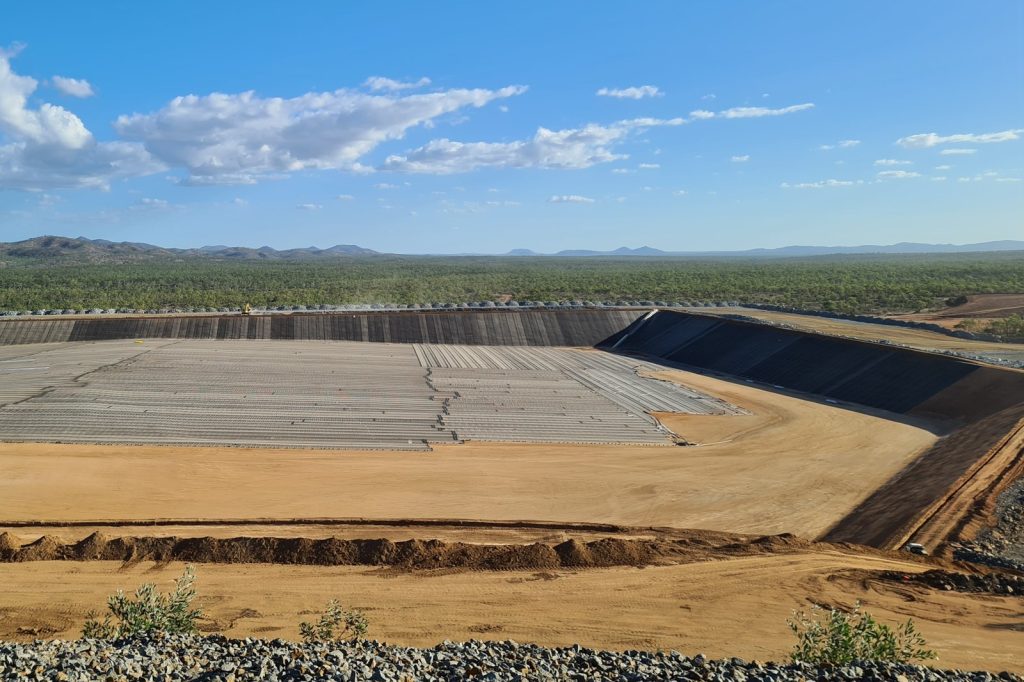
In July 2024, a series of powerful typhoons swept across the Philippines, testing the resilience of mining waste storage systems that protect surrounding communities. The storms revealed that many open‑pit mines and tailings dams are ill‑equipped to cope with extreme rainfall and wind, raising concerns about long‑term environmental and public‑health risks.
Infrastructure Strain Under Extreme Weather
Following the passage of the storms, visible damage was reported in several mining districts. Tailings dams—structures meant to contain rock waste and processing by‑products—showed clear signs of erosion and weakening.
In a number of provinces, runoff from these facilities merged with floodwaters, creating toxic slurries that traveled downstream toward homes, farms and local waterways. Officials noted that many of the affected dams were not designed for the volume of water generated during peak typhoon season, and the lack of real‑time monitoring meant warning signs were often missed until damage had already occurred. The resulting sediment plumes contained heavy metals such as lead, arsenic and mercury, exposing residents to hazardous substances.
The sheer quantity of waste stored at the sites exceeds the capacity of existing containment structures, creating a “ticking time bomb” for regions that depend on mining revenue but lack robust environmental safeguards.
Regulatory Shortcomings and Industry Response
Government agencies tasked with supervising mining operations have come under criticism for insufficient enforcement of safety standards. While legislation exists to regulate waste disposal, inspection schedules frequently lag behind the rapid expansion of mining activities, often occurring months after storm events.
Critics argue that penalties for non‑compliance are rarely severe enough to deter cost‑cutting on safety measures. A spokesperson from the Department of Environment and Natural Resources acknowledged the need to update regulatory frameworks to reflect modern engineering practices and the realities of a changing climate. Industry representatives conceded that compliance costs are rising, yet they recognized that operating with outdated facilities poses unacceptable risks.
Calls are growing for independent audits, mandatory insurance tied to environmental liability, and clearer accountability mechanisms.
Community Health and Economic Impacts
Residents living near the compromised sites have reported a rise in respiratory problems and skin irritation after contact with contaminated water. Local schools and hospitals warn of potential long‑term health effects from heavy‑metal ingestion through drinking water or food chains.
Fishermen, whose livelihoods depend on river catches, have found their harvests tainted, leading to economic losses that compound the environmental damage. Community leaders are demanding greater transparency from mining companies regarding waste composition and disposal practices. They argue that existing compensation schemes do not fully cover medical expenses or lost income linked to pollution‑related illnesses.
Grassroots groups are campaigning for stricter zoning laws to keep residential areas farther from active mines and tailings facilities, aiming to prevent a repeat of past exploitation patterns.
Path Forward: Cooperation and Investment
Addressing the mining‑waste crisis will require coordinated action from government, industry and civil society. International donors and development banks are exploring funding for upgrades to tailings storage facilities that meet global best practices. Technology‑transfer agreements could enable local engineers to install low‑cost monitoring systems that provide early warnings of potential breaches. Proposed public‑private partnerships include creating a national registry of all mining waste sites to ensure continuous oversight.
Educational initiatives targeting both corporate leaders and local populations are also being discussed to foster a culture of safety and sustainability. The Philippines must reconcile its economic reliance on mineral extraction with the urgent need to protect its environment and public health.
Without decisive measures, the country risks irreversible ecological damage and heightened social unrest. Stakeholders agree that immediate steps are essential to avert further disasters and to build resilience against future climate‑related shocks.