
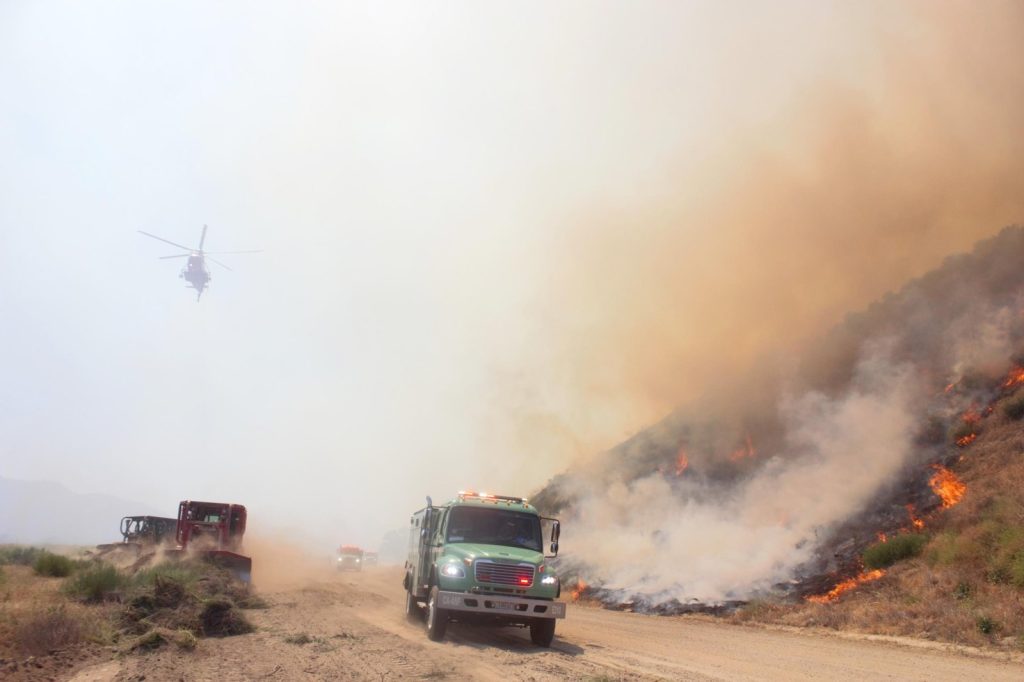
Around 1,200 people have been evacuated from the Hungry Valley area near Los Angeles, California, as the Post Fire spreads through the dry mountains near Interstate 5. The evacuation efforts come as a precautionary measure to ensure the safety of residents and visitors in the area. Hungry Valley, a popular destination for off-road vehicle enthusiasts, is now at the center of a rapidly developing wildfire situation.
The valley’s location along the northern border of Los Angeles and Ventura counties makes it a unique and sensitive ecosystem. With its proximity to Gorman, California, approximately 2 miles southwest, the area is prone to wildfires, especially during periods of dry weather.
As the Post Fire continues to spread, firefighters are working tirelessly to contain the blaze and prevent it from spreading to nearby communities. The dry mountains near Interstate 5 are particularly vulnerable to wildfires, and the current conditions are exacerbating the situation. As the evacuation efforts continue, the focus is on ensuring the safety of those in the affected area.
The evacuation of around 1,200 people is a significant undertaking, and emergency services are working to provide support and shelter to those displaced by the fire. The cause of the Post Fire is currently under investigation, but the dry conditions in the area are likely to have contributed to the spread of the blaze.
With the fire still active, the priority remains on containment and evacuation efforts.
Environmental Concerns
The Post Fire has raised concerns about the environmental impact of wildfires in the region. The dry mountains and valleys of California are home to a diverse range of flora and fauna, and wildfires can have a devastating effect on these ecosystems. As the fire continues to spread, there are concerns about the potential long-term damage to the environment.
The importance of preserving natural habitats and ecosystems is a pressing issue, and the Post Fire serves as a reminder of the need to protect these areas for future generations. The use of off-road vehicles in the Hungry Valley area has also raised concerns about the potential impact on the environment.
While the area is a popular destination for enthusiasts, the use of these vehicles can damage habitats and disrupt the natural balance of the ecosystem. As the region recovers from the Post Fire, there will be a need to reassess the use of off-road vehicles in the area and consider measures to mitigate their impact on the environment. By prioritizing the preservation of natural habitats and ecosystems, we can work towards a cleaner and more sustainable planet.
Looking ahead, the containment of the Post Fire will be crucial in preventing further damage to the environment and nearby communities. As firefighters continue to work to bring the blaze under control, the focus will shift to supporting those affected by the fire and rebuilding the affected areas.
The Post Fire serves as a reminder of the importance of protecting our natural environment and preserving the beauty of areas like Hungry Valley for future generations. By investing in renewable energy sources and promoting sustainable practices, we can reduce our reliance on fossil fuels and work towards a cleaner, more energy-secure future. As the situation in Hungry Valley continues to develop, the priority remains on supporting those affected by the fire and containing the blaze.




