
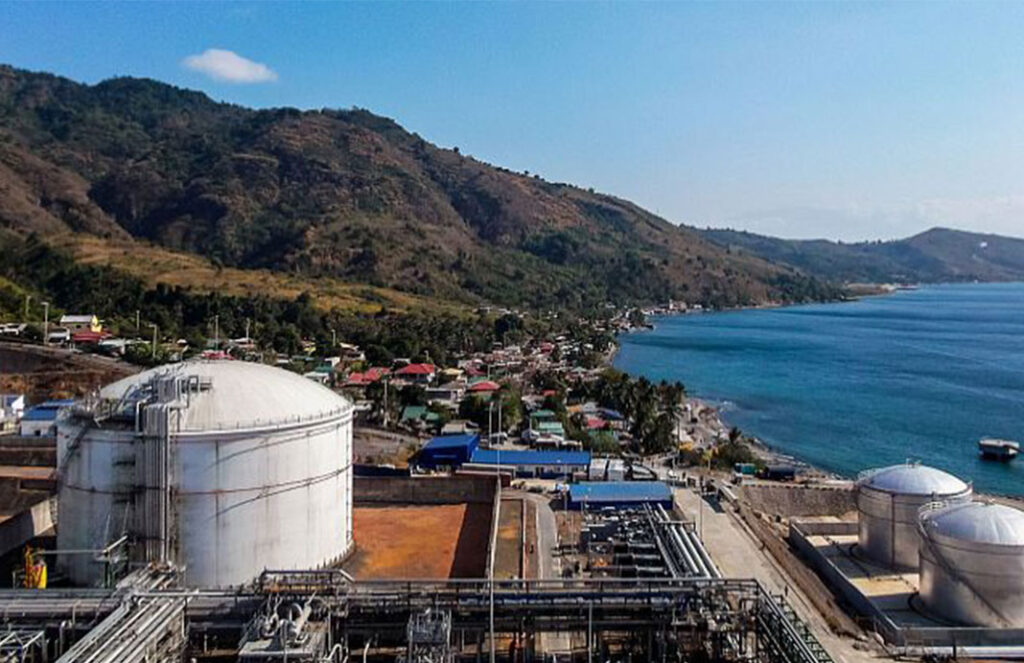
First Gen Corp announced that it has maintained operations in its four power plants in Batangas, Philippines despite the eruption of the Taal Volcano, which also lies in the same province. The news was shared by the company through an emailed statement. However, it has also warned that the continuous ashfall brought about by the hazardous eruption could damage its gas turbines. “Under such conditions, our gas turbines can potentially suffer damage from the continuous ashfall, which in turn could affect our ability to deliver power,” the company said.
First Gen said that it is closely coordinating with energy-related organizations like the National Grid Corporation of the Philippines and Manila Electric Company. The company is also set to tap the Department of Energy should any curtailment be necessary.
“Any possible decision to curtail our Batangas power plant operations will be based on safety and good utility practice considerations,” it added. First Gen, a subsidiary of the Lopez Group, remains to be the largest producer of natural gas-fired power in the Philippines. The Philippines is located in the Pacific Ring of Fire, making it prone to volcanic eruptions and other seismic activities.
As a result, the country has implemented various measures to mitigate the impact of such natural disasters on its infrastructure and economy. The energy sector, in particular, plays a critical role in ensuring the continuous supply of power to households and industries, even in the face of adverse conditions.
Power plants, such as those operated by First Gen Corp, are designed to withstand various challenges, including natural disasters, to maintain grid stability and prevent power outages. The Taal Volcano eruption has significant implications for the surrounding areas, including the potential disruption of economic activities and the impact on the environment. The ashfall from the volcano can cause damage to crops, infrastructure, and equipment, including power plants.
In this context, the decision by First Gen Corp to continue operating its power plants in Batangas despite the eruption is a testament to the company’s commitment to providing a reliable source of energy. However, the potential risk of damage to its gas turbines from continuous ashfall highlights the need for close monitoring and coordination with relevant authorities to ensure safe and efficient operations. The energy sector in the Philippines is regulated by various government agencies, including the Department of Energy and the National Grid Corporation of the Philippines.
These organizations work together to ensure the stability and security of the country’s energy supply, including the development of contingency plans to address potential disruptions. In the event of a power plant shutdown or curtailment, these agencies would play a crucial role in coordinating the response and minimizing the impact on the grid.
The cooperation between First Gen Corp and these organizations is essential in maintaining the reliability and efficiency of the energy supply in the affected areas. The ability of power plants to operate safely and efficiently during natural disasters is critical to maintaining economic activity and ensuring the well-being of communities. The experience of First Gen Corp in operating its power plants during the Taal Volcano eruption can provide valuable lessons for the energy sector in the Philippines and other countries prone to natural disasters.
By sharing best practices and coordinating with relevant authorities, energy companies can help mitigate the impact of such events and ensure a more resilient and reliable energy supply for the future.




