
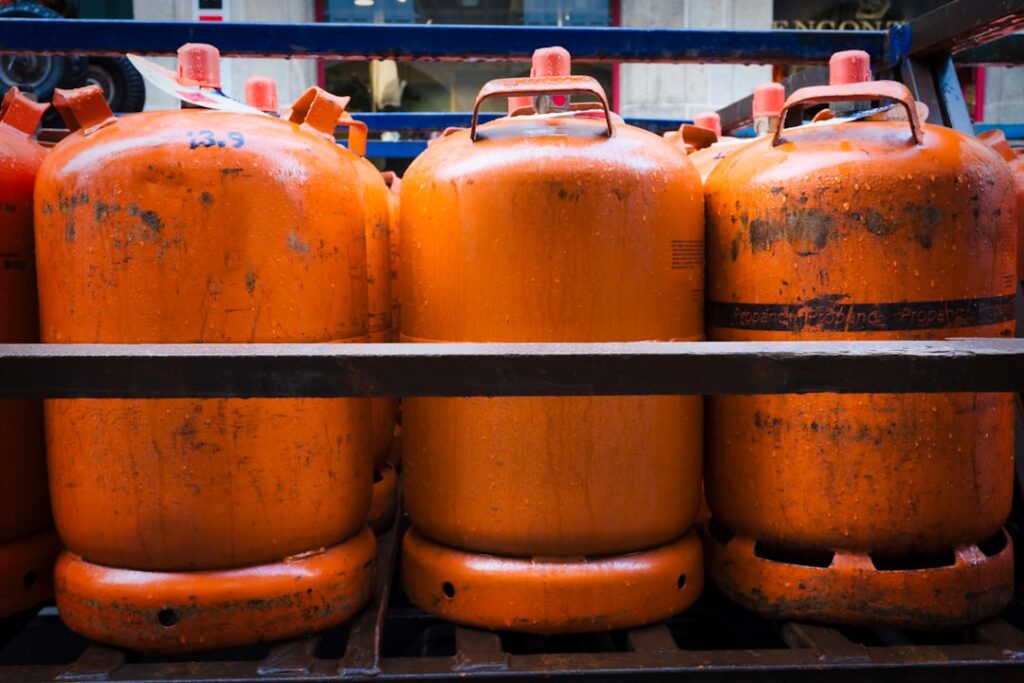
On the 30th of June, 2024, a catastrophic explosion occurred at a restaurant in Izmir, resulting in the tragic loss of five lives and injuring 63 others. The incident was swift, but the aftermath has been prolonged.
The explosion was caused by a propane tank, a three-carbon alkane gas, that had been compressed into a liquid state for storage. Under normal conditions, propane is a gas, but it needs to be compressed to be stored as a liquid. However, the liquid propane yearns to return to its gaseous state, and if a tank fails, the sudden release of the gas can cause a rapid expansion, leading to an explosion. Propane is a common fuel, used in restaurants, powering buses, and for home heating.
It is the main component of Liquefied Petroleum Gas (LPG), which can also contain other hydrocarbons such as propylene, butane, butylene, butadiene, and isobutylene. The exact composition varies, but the danger remains consistent.
Propane was first discovered in 1857 by a French chemist, Marcellin Berthelot, and has been in use for over a century. However, the frequent use of propane has led to numerous incidents of tank explosions over the years. The tank in Izmir was no exception, failing due to an unknown cause, leading to the rapid escape of the gas, which found an ignition source, resulting in the fatal explosion.
Propane has a lower volumetric energy density compared to gasoline, meaning larger tanks are required to store the same amount of energy. This increases the potential for larger tank failures, due to increased surface area and stored energy.
The physics of propane’s behavior does not favor carelessness. Propane is a by-product of natural gas processing and petroleum refining. It goes through a long supply chain, from extraction, separation, compression, transport, storage, and handling, each step providing an opportunity for a leak.
Each leak could potentially lead to a spark, and each spark could lead to the tragedy seen in Izmir. The investigation into the Izmir incident is ongoing, with questions about the condition of the tank, the last inspection, and the maintenance and training of the staff being at the forefront.
The report only provides facts about the event and the chemistry of the fuel, leaving many questions unanswered for the families of the victims and the injured. As Izmir grapples with the aftermath, the question of safety protocols remains at the center of the discussion. What caused the tank to fail?
Who inspected it last? When?
Was it a leak from a fitting? A corroded valve? A tank left in the sun too long?
These are the questions the investigators will be seeking answers to as they examine the twisted remains of the tank and trace the supply chain back to its source. The people of Izmir are left to live with the aftermath, carrying the memory of the sound – a loud, hot blast that did what propane does when improperly contained – it expanded, it burned, and it killed.
Related Stories
– Propane Tank Blast Kills 5, Injures 63 in Turkey
– Propane Blast Kills Six Children in Pennsylvania
– Yinchuan Gas Leak Kills 31 in Restaurant Blast #PropaneTankBlast #Kills #IzmirRestaurant #WorldNews #News




