
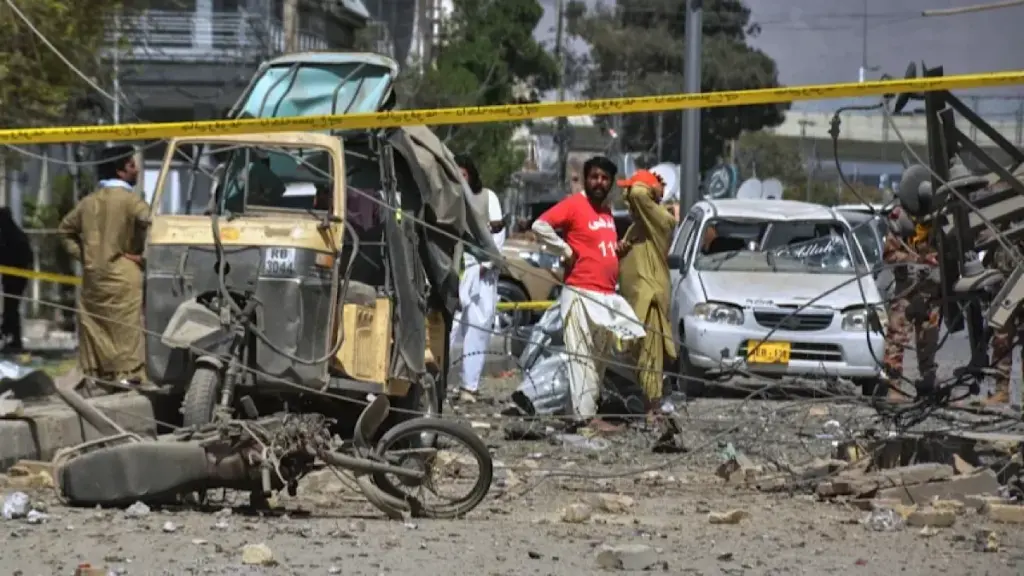
Quetta sits at 1,680 meters above sea level. It is Pakistan’s highest major city. On March 2, 2025, a house in that city exploded.
Gas did it. Two people died.
Eight more were hurt. The capital of Balochistan province took the hit. The city has grown fast.
Over 1.7 million people live there now. That growth happened in a valley, ringed by mountains.
Pashtun and Baloch cultures meet there. British colonial history sits underneath it all. None of that stopped the blast.
What is at stake is plain. Outdated infrastructure kills. Inadequate safety measures kill.
Quetta’s geography makes it prone to extreme weather. That weather strains old pipes and weak fittings.
Cold snaps can crack lines. Pressure spikes can blow them. On March 2, something gave way.
The dead are dead. The injured are in hospitals.
But the real risk is wider. This is a city of 1.7 million people. How many more houses have the same gas lines?
How many more families live above the same kind of leak? Nobody has answered that yet. The Pakistani government has been working on improvements.
The report says so. But working on something is not the same as finishing it.
Quetta needs modern safety standards. It needs emergency response systems that can handle a city at altitude. It needs those things now, not after the next explosion.
One answer is renewable energy. Solar and wind power exist.
They work in high-altitude valleys. They do not explode. They provide energy security.
They cut the reliance on fossil fuels. That reliance is what turned a gas leak into a house fire and a house fire into a body count. Eight people survived.
They will carry scars. Two people did not survive.
Their families will carry worse. The city itself carries the cost of cleanup, of hospital bills, of emergency services stretched thin. That cost is real.
It is concrete. It is paid in rupees and in pain.
Quetta has a rich cultural heritage. That is true. It has stunning natural surroundings.
Also true. But heritage and scenery do not stop gas explosions. Only infrastructure does.
Only safety protocols do. Only a government that prioritizes modern standards over continued growth does.
The blast on March 2 was a stark thing. It was loud. It was destructive.
It was preventable. The question now is whether the city learns the lesson or waits for the next house to go up.




