
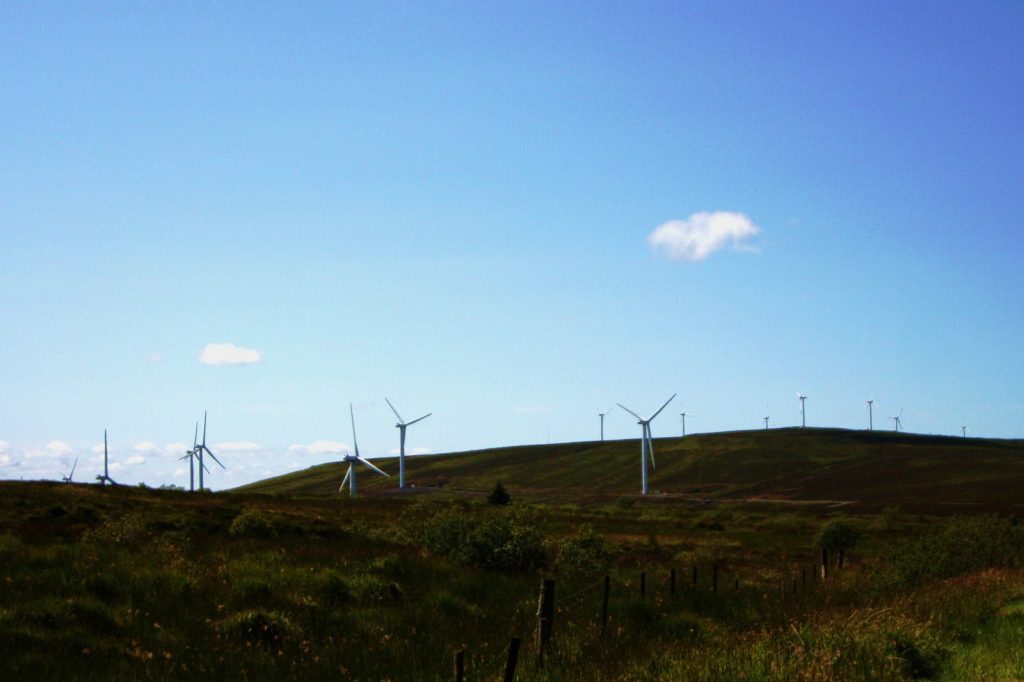
Belfast, Northern Ireland, October 16, 2026 The Renewable Energy Price Guarantee (REPG) scheme, a cornerstone of Northern Ireland’s renewable energy ambitions, has encountered a setback. Delayed since its proposed launch in 2026, the REPG’s detailed terms and conditions have yet to be published, leaving numerous pre-development projects in limbo and threatening to divert investment away from the region. The Utility Regulator’s first Flexibility Needs Assessment, published last month, revealed that Northern Ireland is off-track to achieve its 2030 renewable electricity target under the Climate Change Act (NI) 2022 (CCANI).
Network constraints were identified as the primary driver of renewable curtailment, necessitating network reinforcement, particularly transmission upgrades, alongside the deployment of energy storage, demand-side response, digitalization, and local flexibility procurement to facilitate greater renewable integration. The Renewable Electricity Generation Bill, introduced in July 2022, aimed to provide a stable framework for renewable energy developers, outlining the terms under which they could receive a guaranteed price for their electricity.
However, the absence of published details has created uncertainty, raising concerns about the scheme’s potential impact on investment and the region’s renewable energy goals. Without a clear policy framework, investors are hesitant to commit to renewable energy projects in Northern Ireland, while competitors in other regions with more favorable regulatory environments attract substantial investment. This delay could jeopardize the region’s chances to capitalize on the growing global demand for renewable energy, as well as the economic benefits associated with it.
The Utility Regulator’s assessment underscores the need for immediate action to address the network constraints identified. Network reinforcement, including transmission upgrades, will be crucial in accommodating the increased generation capacity from renewable energy sources.
Additionally, the deployment of energy storage, demand-side response, digitalization, and local flexibility procurement will facilitate greater renewable integration, ensuring that the region remains on track to meet its renewable energy targets. As the Renewable Energy Price Guarantee scheme continues to face delays, it is essential that the Northern Irish government expedites the publication of detailed terms and conditions. A clear policy framework will provide much-needed certainty to investors, encouraging renewable energy development and helping the region to realize its ambitious renewable energy goals.
In the meantime, the focus should shift towards implementing the recommendations from the Utility Regulator’s Flexibility Needs Assessment, ensuring that the necessary network reinforcements are in place and that the region’s renewable energy sector remains competitive in the global market. With the clock ticking and the 2030 renewable energy target fast approaching, it is crucial that the Northern Irish government takes swift action to address the current challenges and drive forward the renewable energy sector.
The stakes are high, as Northern Ireland stands to benefit significantly from a successful transition to renewable energy, both in terms of energy security and economic growth. As the debate over the Renewable Energy Price Guarantee scheme and its impact on investment and renewable energy targets continues, the eyes of the global renewable energy community will remain on Northern Ireland, eagerly awaiting the region’s next moves in this critical sector.




