
When Taal Volcano exploded on 12 January 2020, animal‑relief teams were already moving into Batangas province by the following morning. Their rapid response reflected prior experience with disasters in the area and an understanding of the imminent threat posed by volcanic ash.
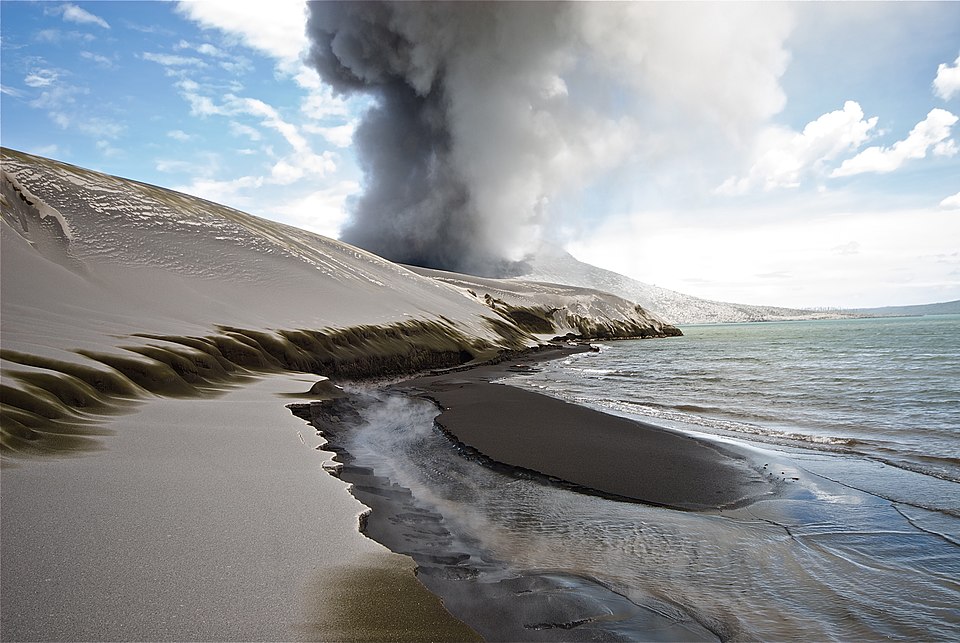
The ash, a fine powder of rock fragments less than two millimetres across, settled on everything in its path. It infiltrates the respiratory system, irritates eyes and can coat the hooves of livestock, becoming a slow‑acting poison for animals left behind. Hundreds of creatures were stranded as residents fled, prompting a coordinated rescue effort.
In the lakeside town of Talisay, the Philippine Animal Welfare Society (PAWS) discovered two chained dogs beside a house under total lockdown. One of the dogs, later identified as Marble, survived on rainwater and scraps and was heard howling from across the road.
PAWS vans arrived on Monday morning, retrieving the two dogs and two chickens; the chickens were free‑ranging, while the dogs remained tethered. PETA Asia volunteers operated in the neighboring municipalities of Balete and Laurel. Wearing protective masks against the sulphur‑laden air, they loaded tourist‑ride horses onto flat‑bed trucks.
The strong odour had frightened the animals, and calming them required considerable time. Those horses had been a source of income for local families, but after the eruption they became a liability.
The volunteers did not inquire about ownership before transporting the animals. Guardians of the Fur, a Batangas‑based volunteer network formed during the 2018 typhoon season, focused on Agoncillo and San Nicolas. Their teams ferried more than 150 chickens and a dozen cows to safety after owners escaped on fishing boats across Taal Lake, leaving livestock behind out of panic rather than cruelty.
The volcano offered no warning that could have allowed owners to bring their animals with them. All rescued livestock were taken to the provincial capitol grounds in Batangas City, where veterinarians examined them for ash‑related injuries such as burned eyes and clogged lungs.
While the ash had already caused damage, the full extent remained unknown. The rescue operation was improvised. Temporary shelters were erected, and volunteers appealed for cash donations, food supplies and leashes to keep the effort running day after day. No government‑run animal evacuation centres or dedicated funding streams existed; the response relied entirely on volunteers and whatever resources they could muster.
This pattern—natural disaster, abandoned animals, owners evacuating with only essential belongings—repeated itself. Dogs stayed chained, chickens remained in coops, and horses were tethered while ash fell uniformly on all.
Guardians of the Fur, having anticipated future calamities since its 2018 inception, recognized that animals would need rescuers again. Their teams spread across ash‑covered towns, working despite ongoing tremors and the pervasive sulphur smell because allowing the animals to die slowly in the grey powder was not an option. The volcano remained active, and lockdowns could continue for weeks.
Rescued animals now require continued care, food and eventually permanent placement, while many owners stay in evacuation centres that do not accept pets. The provincial capitol grounds cannot hold livestock indefinitely, but volunteer groups say they will keep searching for solutions.




