
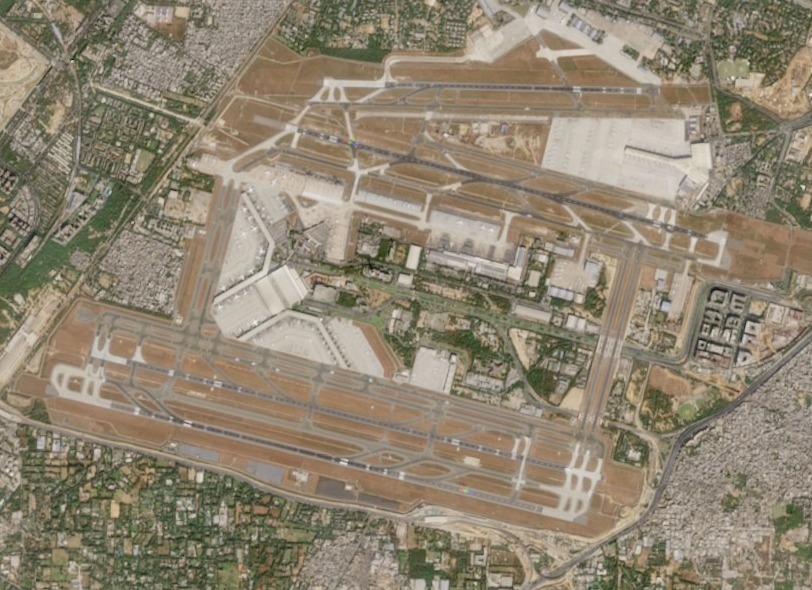
On 28 June 2024, a section of the roof at Indira Gandhi International Airport gave way during a heavy downpour. One person died. Eight others were wounded. The incident forced the cancellation of several domestic services. Travel plans for numerous passengers were disrupted. IGIA is the chief international gateway for New Delhi and the surrounding National Capital Region. It spans 5,106 acres. It lies roughly 15 km southwest of New Delhi Railway Station and 16 km from the city centre.
Since 2009 it has been India’s busiest airport by passenger numbers. It handles a large daily volume of flights and travellers. The monsoon season runs from June through September. It regularly brings intense rain to the capital. The roof collapse has sparked questions about the airport’s capacity to endure extreme weather.
Authorities note that the airport’s location makes it vulnerable to heavy rainfall. The event points to the importance of routine maintenance and structural inspections to safeguard both passengers and staff. Airport officials have announced an investigation into the cause of the failure. They have pledged to take steps to prevent a repeat. Efforts are focused on restoring normal operations, clearing debris, and providing medical assistance to those injured.
The broader context of the accident highlights growing concerns over the resilience of critical infrastructure in the face of climate-related stresses. Urban populations expand. The strain on facilities such as airports intensifies. This prompts calls for more durable and sustainable design practices.
Experts suggest that incorporating green technologies could mitigate the impact of heavy rains. Solar power, rainwater harvesting, and vegetated roofs are examples. Such measures could lessen reliance on conventional energy sources. They improve structural robustness. They reduce the environmental footprint of large transport hubs. New Delhi’s monsoon period often brings flooding and occasional power outages across the city. This tests the durability of public utilities and transport networks.
The roof collapse at IGIA serves as a stark reminder that infrastructure must be weather-resilient and environmentally responsible. Airport management is expected to evaluate the feasibility of integrating renewable energy solutions and other sustainable features into its facilities.
By doing so, IGIA could set a benchmark for other airports in the region. It would demonstrate how critical transport nodes can balance safety, operational continuity, and ecological stewardship. The investigation proceeds. The primary objectives remain clear: ensure the well-being of passengers and staff, resume regular flight schedules, and address any structural shortcomings revealed by the incident. The event points to the urgent need for a comprehensive approach to infrastructure development. That approach must prioritise durability, sustainability, and the safety of the travelling public.




