
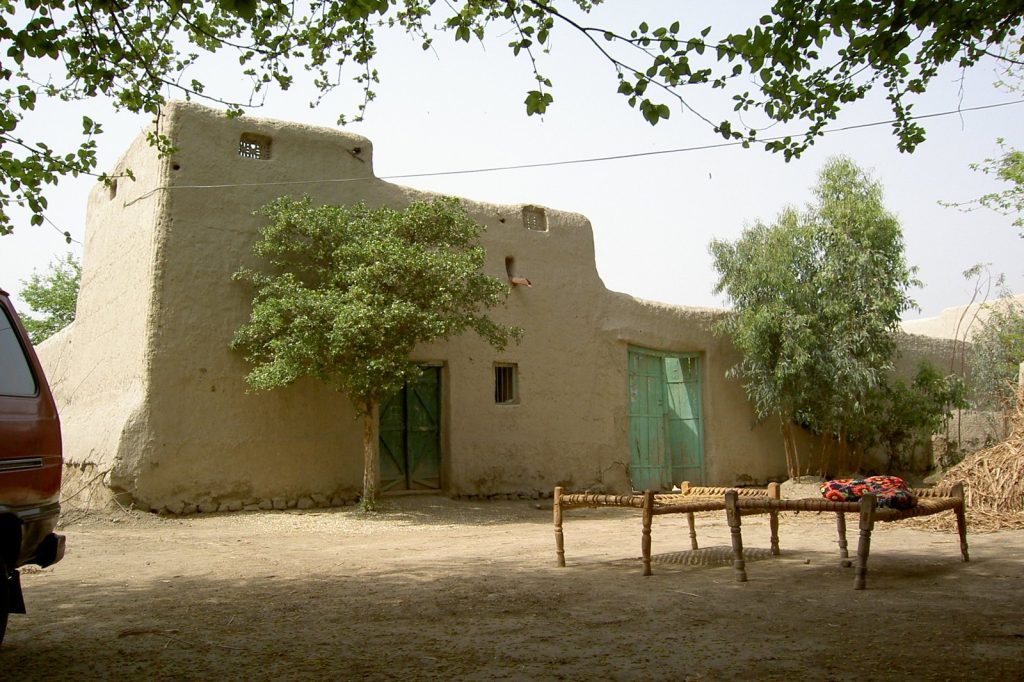
On January 4, 2026, a roof gave way in the Charsadda district of Khyber Pakhtunkhwa, Pakistan, resulting in the deaths of six individuals and leaving five others with injuries. The incident has prompted local officials and residents to examine the circumstances that led to the failure and to consider what steps might prevent similar tragedies. Charsadda, known for its historical and cultural heritage, faces ongoing challenges with infrastructure and building safety, issues that are not unique to this area but are common across many parts of the country.
The collapse underscores the necessity of regular structural inspections, diligent maintenance, and the enforcement of rigorous safety standards for all constructions, especially those exposed to harsh environmental conditions. Environmental factors also play a role in the vulnerability of buildings in Pakistan.
The nation is prone to earthquakes, floods, and landslides, and recent years have seen a rise in extreme weather events that can weaken edifices over time. Addressing these risks involves not only reinforcing existing structures but also adopting broader measures that reduce environmental strain. Among those measures, the expansion of renewable energy sources such as solar and wind power is highlighted.
Shifting toward renewables can improve energy security, lower reliance on imported fuels, generate employment, stimulate local economies, and cut air pollution—a pressing concern in many Pakistani urban centers. By investing in clean energy, the country can simultaneously tackle environmental degradation and support sustainable development.
In the aftermath of the disaster, priority must be given to the victims and their families. Providing medical care for the injured, offering financial and emotional support to bereaved relatives, and ensuring access to essential services are immediate needs. Looking forward, authorities should institutionalize routine building assessments, enforce compliance with safety codes, and launch public awareness campaigns that educate owners and occupants about the importance of structural integrity.
The tragedy in Charsadda serves as a reminder that economic progress and environmental stewardship must advance together. By embracing renewable energy, minimizing waste, and pursuing sustainable development practices, communities can work toward a future where buildings are safer, the environment is healthier, and the well‑being of all residents is safeguarded.
Achieving this vision will require coordinated effort, long‑term commitment, and a shared dedication to balancing growth with responsibility.




