
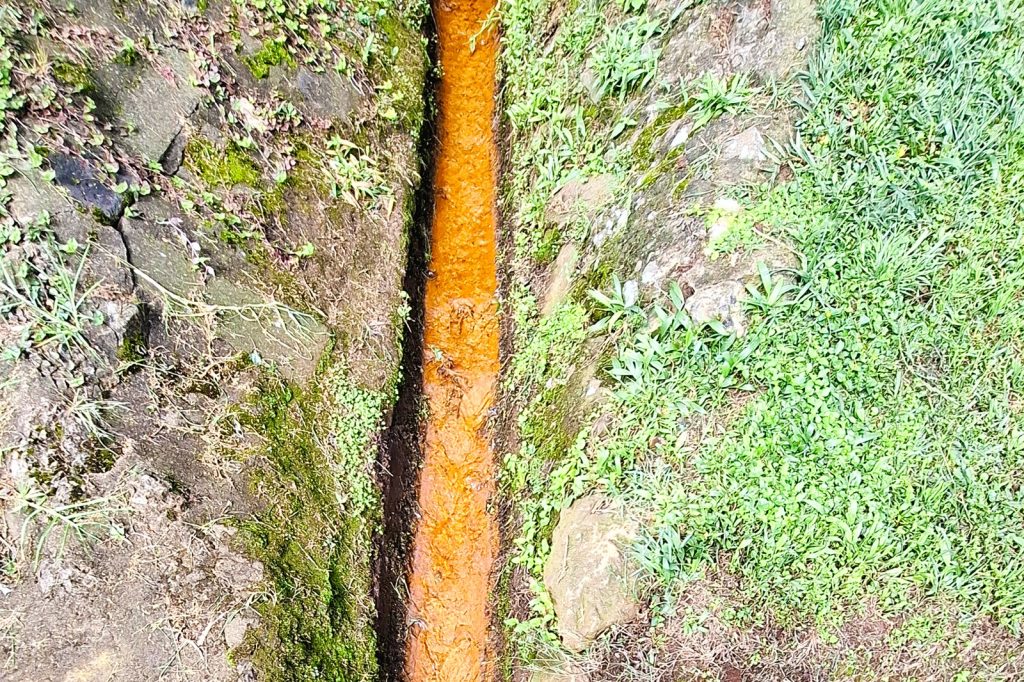
A lethal contamination event in Indore, Madhya Pradesh, has resulted in the deaths of 14 people, according to local authorities. While the specific contaminant responsible for the fatalities has not yet been identified, several other residents are currently hospitalized as the city deals with the aftermath of the crisis.
The tragedy has placed Indore’s water infrastructure under intense scrutiny. As the largest city in Madhya Pradesh and the capital of both the Indore district and division, the commercial hub relies on a system that failed to prevent a sudden and deadly event. The incident has shattered public trust, as victims likely consumed the water from public sources or home taps under the assumption that the supply was safe.
Indore possesses a long history dating back to the 16th century, having once served as a nineteen Gun Salute Princely State under the rule of the Holkar dynasty during the British Raj. Despite this legacy and the city’s reputation as a well-managed urban center—which has even earned national cleanliness awards—the current failure highlights a critical vulnerability. The city is situated on the Saraswati and Kanh rivers, which have historically facilitated settlement and trade, but these same waterways can also transport contaminants.
Local administration is now facing significant pressure to determine the source of the poison and implement repairs to ensure such a catastrophe is not repeated. Officials are currently investigating the cause, though no official announcement has been made regarding the origin of the contamination. This event underscores a broader issue seen across many cities in the developing world and throughout India, where urban water systems are frequently underfunded, aging, and inadequately monitored.
The scale of this loss has sparked widespread alarm among the local population. Experts suggest that preventing future occurrences will require more than official statements; it will necessitate accountability, rigorous inspection, and increased investment. The tragedy is viewed as a symptom of a system that lacked the robustness necessary to detect a problem before it became lethal.
As the investigation continues, the city remains in mourning. Fourteen families are grieving their loss, while others remain in hospitals awaiting recovery. The event has left the community questioning whether trust in their essential water supply can be restored before further lives are endangered.




