
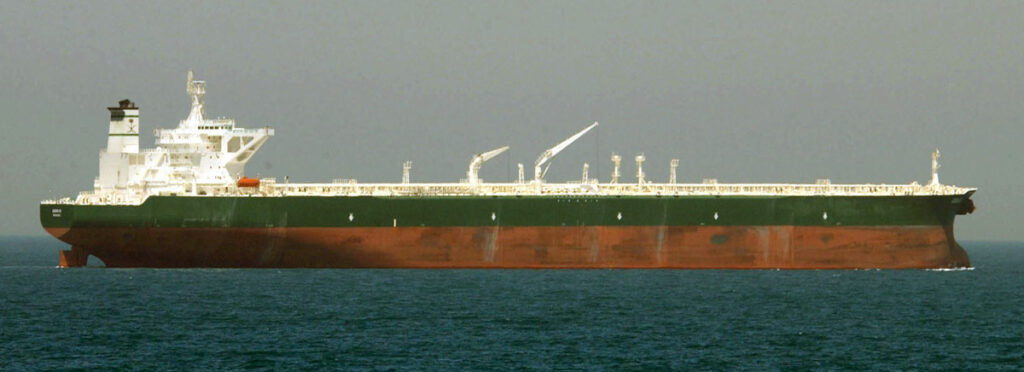
The European Council’s June summit put the shadow fleet at the top of its conclusions and endorsed a “whole of route” approach, language that signals a shift from listing ships one by one to dismantling the logistics chain behind Russian oil exports. The law itself landed on 23 July 2026, when the Council of the European Union adopted the 21st sanctions package against Russia. Its center of gravity is the sea.
The package carries 218 listings, 170 entities and 48 individuals, among them 94 Russian banks and financial institutions, the biggest single-package haul in four years by the count of the marine insurer Gard. Forty-one more vessels joined the sanctions register, lifting the total past 670. The criteria widened too, and this is the part shipowners felt: ships that merely service the shadow fleet, through bunkering or ship-to-ship transfers, can now be designated whether or not the tankers they serve are listed. Five bunkering tankers went on the register on exactly that basis, vessels alleged to have regularly refuelled designated ships.
Confiscation and Fraudulent Flags
A new power came with the listings. Member states may now confiscate and sell cargoes aboard shadow fleet vessels they detain. The net also closed on paperwork, where the EU designated an Indian national described as the central figure in a network of ship registries that supplied flag documentation to ageing tankers in Russian trades, with reported links to Dominica, Guyana, Samoa, Micronesia, Eswatini and Laos. The IMO has declared a number of those registrations fraudulent or invalid.
LNG and the Price Cap
On gas, any LNG tanker sold to a third country must now be reported to the owner’s EU member state, and by 25 October 2026 the European Commission will weigh a full ban on such sales to Russia. A one-year, renewable exemption lets EU operators keep moving Russian LNG to non-EU buyers under contracts predating 24 February 2022, capped at 2025 volumes. The oil price cap holds at US$44.10 per barrel, the automatic adjustment mechanism sits paused for 12 months, to 15 July 2027, because the Strait of Hormuz closure created an exceptional market situation.
Ports, Refineries, Traders
Transaction bans now cover two further Russian ports, Olya and Vysotsk, four Russian airports, and a Georgian refinery at Kulevi operating on a six-month wind-down. In the oil sector, 18 entities and one individual were designated, including three Russian refineries plus a major refinery in Belarus, and five oil traders were banned outright, among them the UAE firm Nexus Oil Trading, accused of undermining the ban on Russian crude purchases.
The Wider Picture
Enforcement gets tools as well as lists. Under the summit-endorsed measures, Copernicus satellite data will be shared with member state coast guards in real time to catch AIS signal manipulation, the standard trick shadow fleet masters use to mask movements and port calls. G7 partners, aligned at the Evian summit in June, extend the perimeter; Japan and South Korea, two major shipping registry jurisdictions, signed on. The pressure is measurable. Moscow’s revenue from oil exports dropped 18 per cent during the first three months of 2026 against the same stretch of 2025.
What remains open are the routes. Turkish, Emirati and Indian transit lanes still run partially, and the incoming Irish Presidency, chairing the Council from 1 July, has signalled a 22nd package for October. The fleet, for now, keeps moving.
Sources
- EU's 21st Sanctions Package Targets Russia's Shadow Fleet – Press Review
- 07/2026 EU Sanctions: 21st Sanctions Package Against Russia – Member Circulars | Gard




