
On the morning of March 2, 2016, a large SUV hit the side of a bridge overpass in Oklahoma City. The driver was Aubrey McClendon, 56, founder of Chesapeake Energy and one of the most aggressive chief executives in America. He had helped set off the shale oil boom that made the country the world’s top oil producer.
He was driving very fast but was not intoxicated, and the road showed no brake marks. Police could not tell whether it was an accident or suicide. A day earlier, a US federal court had indicted him on allegations that he orchestrated a conspiracy to rig the price of oil and natural gas leases in Oklahoma.
McClendon had lived through several booms and busts. At its peak Chesapeake carried a market capitalisation of US$35 billion, and he was the best-paid CEO in the country at US$100 million a year. He also owned the world’s largest wine collection and the biggest known collection of antique maps.
How shale got so big
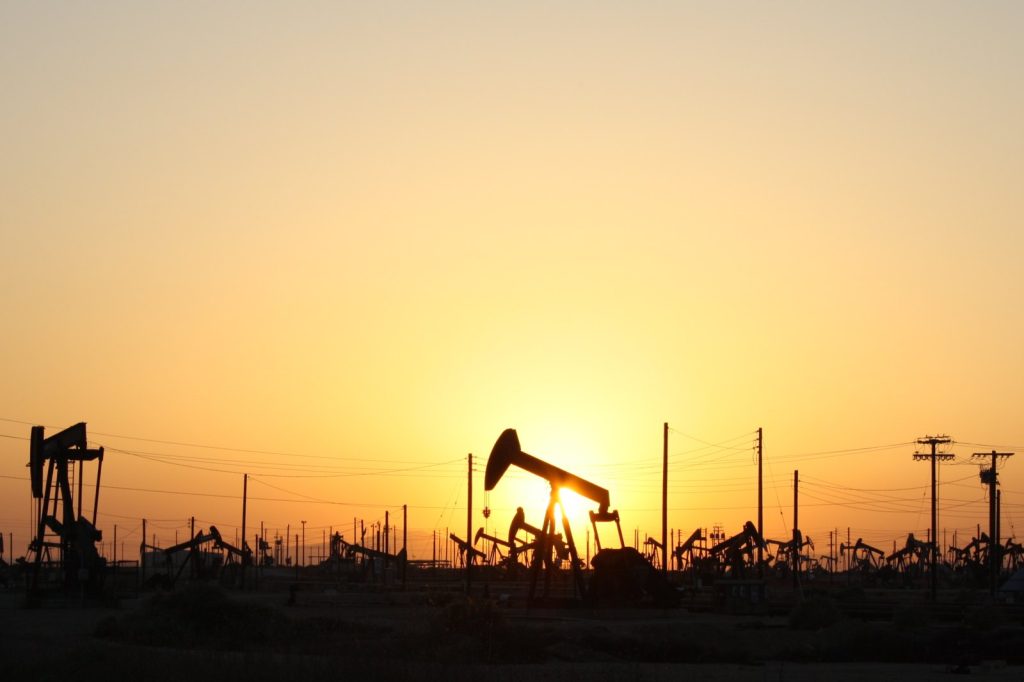
After the global financial crisis, money was cheap and financiers wanted something new to fund. They found hydraulic fracturing, or fracking, a technique for pulling gas out of shale rock that had never been drilled. Capital flowed into the Bakken formation in Montana and North Dakota, the Eagle Ford in South Texas, the Permian Basin in West Texas and the Anadarko-Woodford in west-central Oklahoma. Drillers later learned to get oil from the same rock, and the shale oil boom followed.
US oil production grew almost tenfold in 10 years. As of March 2020, the country pumped 13.6 million barrels a day, ahead of Saudi Arabia’s 12 million and Russia’s nine million. Its petroleum deficit of US$436 billion in 2008 had turned into a surplus.
The industry employed nearly 6.5 million people, mostly in shale. With oil services and related businesses counted, nearly 20 million jobs depended on the sector. The US Geological Survey estimated that up to six trillion barrels of crude could be extracted from the country’s shale formations.
The cost of the boom
The business model was easy to explain. Anyone with a wheat field or barren land and a willing driller could find a bank to lend whatever it took. The mantra was “drill, baby, drill.”
Investors put in over US$430 billion over the past decade, yet the shale firms had produced no profit. A shale well gives up a lot of oil in its first year and then fades fast. Many wells yield less than half as much in year two, and some only 30%. Producers therefore have to keep drilling just to hold output flat, and each new well needs fresh cash.
Production costs have fallen from US$70 a barrel some years ago to between US$40 and US$50. That still does not make shale the cheapest oil. Saudi Arabia can produce at under US$10 a barrel in some fields, and elsewhere conventional costs run from US$20 to US$40. Only a handful of US shale firms get below US$33 a barrel, and that figure leaves out financing.
Moody’s Investors Service said US oil and gas companies had more than US$40 billion of debt maturing in 2020 and US$200 billion over the next four years. Late the previous year, with oil near US$50 a barrel, over 60% of shale debt carried a junk rating.
Price war and a stock rout
When shale came on stream, prices slid from US$110 a barrel to under US$90. Russia and Saudi Arabia flooded the market to push small, heavily indebted US producers out. The producers went back to Wall Street, sold new bonds at low interest rates and kept going. By early 2016 prices had dropped to US$26 a barrel.
In March 2020 the pattern repeated. A fight between Saudi Arabia and Russia over output, after the Saudis cut prices and raised production, sent WTI crude down to around US$28 a barrel at one point, from a high of US$68 early the year before. The real target of both governments, the article argued, was the US shale sector.
Chesapeake’s stock had fallen 99% from its peak, leaving a market value of just US$297 million. Billionaire Harold Hamm’s Continental Resources was down 89%. Most listed shale companies sat 80% to 90% below their recent highs.
Banks have started tightening revolving credit lines and pressing shale companies to stop growing for growth’s sake and focus on cash flow. The writer, Assif Shameen, concluded that whether oil stays where it is, revisits US$26 or climbs to US$100, shale has peaked, and he expected more bankruptcies and consolidation.




