
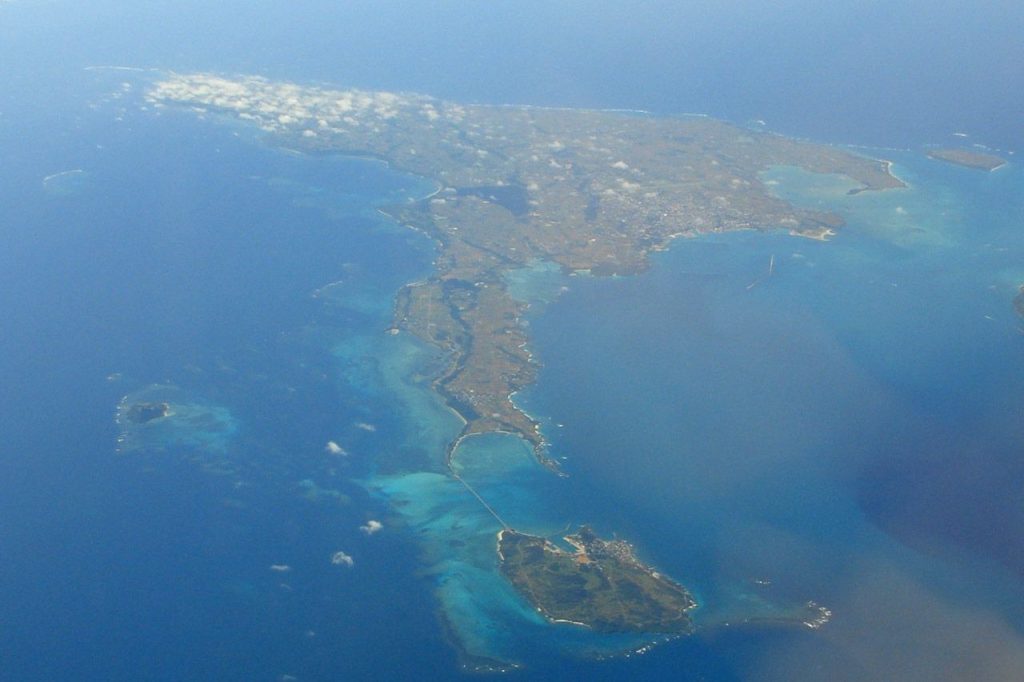
The sea floor shifted at 04:04 UTC on July 3. The U.S. Geological Survey measured it. A magnitude 6.1 earthquake.
Shallow. Just 10 kilometres down.
That depth matters. A lot. When the rupture is less than 70 kilometres beneath the surface, the same magnitude produces far stronger shaking.
Deeper quakes dissipate energy before it hits. Shallow ones don’t.
The violence arrives almost undiluted. The epicentre sat 136 kilometres north-northeast of Hirara, Japan. That puts it offshore.
Populated areas? Not directly under the rupture. That is relevant.
A magnitude 6.1 is strong enough to cause significant damage — but only if it strikes close to people. Here, it didn’t.
No tsunami warning was issued. One small mercy for the people of Hirara and the surrounding islands. They know the double threat of earth and sea.
Where this fits
This is a seismically restless corner of the planet. The area around the epicentre has recorded at least 192 earthquakes of magnitude 5.0 or greater within roughly 300 kilometres over the past two decades. The strongest among them was a magnitude 7.0 earthquake in 2010.
The ground here is never truly still. So a 6.1 is not the largest this region has seen.
But it is the latest. And it happened at a depth that amplifies shaking. That combination — moderate magnitude, shallow depth, offshore location — is characteristic of the subduction zone tectonics that define this part of Japan.
The Pacific Plate dives beneath the Philippine Sea Plate. Stress builds.
Rocks break. The sea floor lurches.
What now
The shaking was the first and most direct signal. What follows is often the harder part. The waiting.
Seismologists note that aftershocks are common after an earthquake of this size. They may continue for days or even weeks.
People in the affected area are generally advised to be prepared for further shaking. That means sleeping lightly. Keeping emergency supplies close.
Watching the ground beneath their feet. The USGS detected the event through its real-time global seismic monitoring network.
The agency tracks these events continuously. For the people living through this one, the shaking was the first signal. It will not be the last.
Shallow earthquakes are the ones that hit hardest. That is a simple physical fact. When the rupture is less than 70 kilometres beneath the surface, the same magnitude produces far stronger shaking than a deeper event.
A magnitude 6.1 is strong enough to cause significant damage — but only if it strikes close to populated areas. Here, it didn’t.
No tsunami warning was issued. That is one small mercy for the people of Hirara and the surrounding islands, who know well the double threat of earth and sea. The story begins in the dark hours before dawn.
The sea floor lurched violently. The USGS recorded the event.
A magnitude 6.1 earthquake. Shallow at just 10 kilometres deep. For those involved in the region, shallow earthquakes are the ones that hit hardest.
When the rupture is less than 70 kilometres beneath the surface, the same magnitude produces far stronger shaking than a deeper event. A magnitude 6.1 is strong enough to cause significant damage — but only if it strikes close to populated areas. No tsunami warning was issued.
That is one small mercy for the people of Hirara and the surrounding islands, who know well the double threat of earth and sea.




