
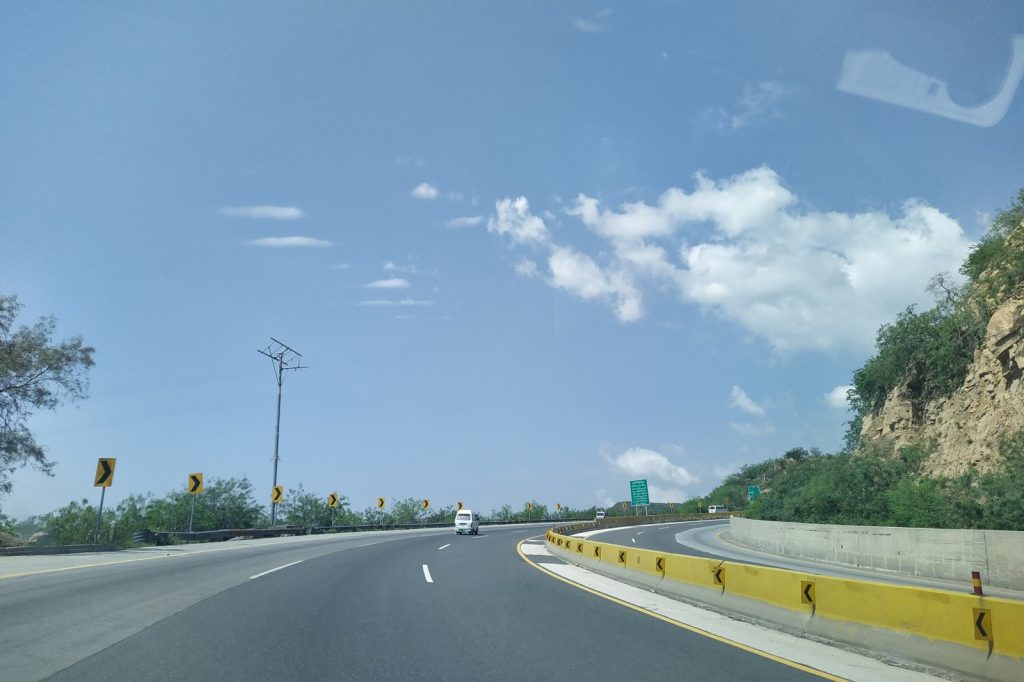
On July 13, 2025, a passenger bus travelling from Lahore to Islamabad plunged into a deep ravine close to the village of Chakri, located about 43 km south of Rawalpindi. The accident claimed six lives and left 38 people with injuries ranging from minor to serious. Rescue teams arrived swiftly after the crash was reported.
The injured were transported to nearby medical facilities where doctors are providing treatment. Authorities have also begun offering assistance to the families of those who perished and to the survivors who require ongoing care.
Chakri sits on the Islamabad‑Lahore motorway, a key corridor that links two of Pakistan’s largest cities and serves as a major conduit for commuters and freight. The tehsil’s position within the Rawalpindi district makes it a frequent stop for travelers, underscoring the strategic importance of the road network that runs through the area. While the exact cause of the bus’s loss of control remains under investigation, officials have not yet released definitive findings.
The inquiry will examine factors such as vehicle condition, driver performance, road surface, and any possible environmental influences that may have contributed to the tragedy. Beyond the immediate human toll, the incident has reignited public debate over road safety standards on Pakistan’s highways.
Critics point to the need for better maintenance of the motorway, especially in sections prone to steep drops and unstable terrain. Improved signage, guardrails, and regular safety audits are among the measures being discussed to reduce the likelihood of similar accidents. Economic implications are also a concern.
The Islamabad‑Lahore route is vital for the movement of goods and passengers; disruptions can affect trade flows and commuter schedules, potentially reverberating through the broader economy. In the wake of the disaster, community members and local officials have organized support efforts for the victims’ families.
Relief packages, counseling services, and financial aid are being coordinated through government channels and charitable groups. The tragedy arrives at a time when Pakistan is emphasizing sustainable development and infrastructure upgrades. Policymakers have highlighted the importance of investing in modern, resilient roadways that can accommodate increasing traffic while minimizing safety risks.
Parallel to these infrastructure goals, there is a growing call for the country to adopt renewable energy sources and environmentally friendly practices, aiming to lessen the broader pressures that can indirectly affect transport safety. As the nation mourns the loss of six individuals and tends to the injured, the incident serves as a stark reminder of the need for continuous improvement in transportation safety and environmental stewardship.




