
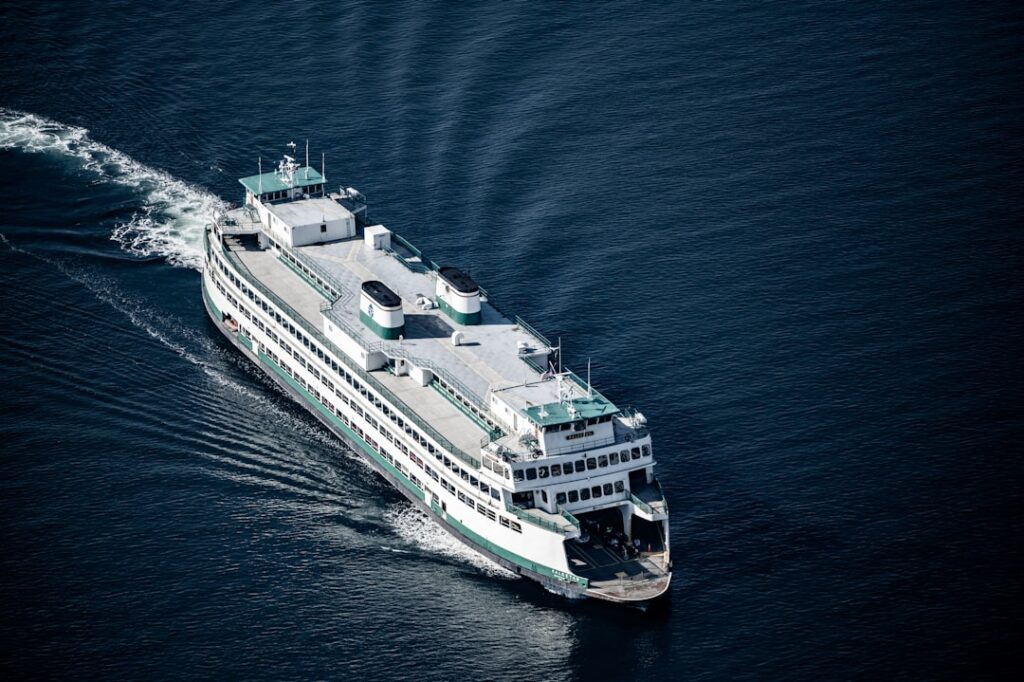
A fire broke out on the ferry KM Barcelona 5 as it neared a port off Sulawesi on Sunday, resulting in six deaths, including a pregnant woman. The vessel was on the final leg of its journey when flames erupted on the lower decks, prompting passengers to abandon ship.
Witnesses described thick smoke quickly filling the decks, overwhelming the crew’s ability to control the blaze. Some passengers managed to reach lifeboats, while others were rescued from the water by local fishermen and emergency teams. Dozens of people suffered injuries ranging from burns to smoke inhalation.
Authorities have not yet released a definitive count of those on board. Officials are cross‑checking passenger manifests with survivor testimonies, a routine step that often reveals discrepancies between reported and actual numbers.
Overcrowding and aging vessels are recurring issues in Indonesia’s ferry system, and the ongoing verification process reflects concerns about accurate passenger records. Sulawesi’s geography—an island shaped like an orchid with four peninsulas separated by the Gulf of Tomini—makes maritime transport essential. Ferries serve as the primary link for many coastal communities, meaning that failures in the system affect a large segment of the population.
While the exact cause of the fire on KM Barcelona 5 remains under investigation, the incident highlights longstanding systemic challenges. Past maritime disasters in the region have led to promises of stricter inspections, enforcement of passenger limits, and the replacement of older vessels.
Nevertheless, similar tragedies continue to occur, suggesting that reforms have not been fully implemented. The loss of a pregnant passenger personalizes the tragedy amid the broader statistics. Families of the six victims now join a growing list of those affected by ferry accidents in Indonesia, while survivors recount the chaos of smoke, seawater, and the frantic rush to escape a burning ship.
Rescue crews who retrieved bodies from the water also bear the emotional weight of the event. Indonesia’s extensive ferry network moves millions daily, yet it remains a frequent source of fatalities.
The Sunday fire adds to a pattern of incidents that raise questions about the effectiveness of safety measures and the pressures that keep vessels in operation despite safety concerns. As investigations continue, officials are expected to issue statements on safety reforms. Whether these pledges will translate into concrete changes for the ferry routes that remain vital to Sulawesi’s residents is yet to be seen. The incident underscores the ongoing tension between economic necessity and the need for reliable, safe maritime transport.




