
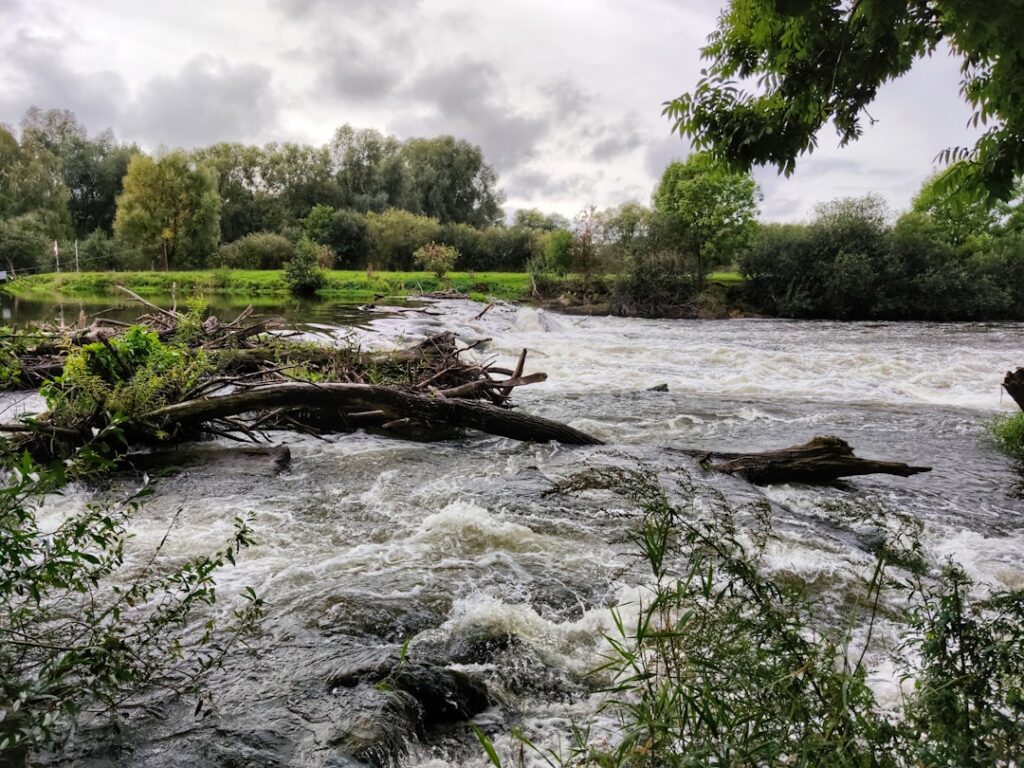
On 29 October 2024, a sudden deluge hit the eastern provinces of Spain, leaving a trail of loss that places the event among the continent’s most lethal natural disasters. The flood was caused by a “DANA” – a mesoscale convective system that meteorologists had identified days earlier as atypical, yet the warnings did not prevent the tragedy.
Rainfall totals in parts of the Valencian Community, Castilla‑La Mancha and Andalusia equaled more than a year’s worth of precipitation in just a few hours. The saturated ground and overwhelmed drainage infrastructure allowed water to surge rapidly, inundating towns and claiming lives. In the wake of the disaster, regional authorities are under intense examination. Questions focus on the timing and clarity of alerts, the adequacy of evacuation orders, and the speed of the response once water levels began to rise.
Critics argue that delayed or ambiguous communications contributed to the death toll. The national government is also facing accusations that it failed to provide sufficient support and resources to the affected regions.
Observers note that the disaster‑response framework, built over many years, struggled to cope with the scale of the event, exposing weaknesses in coordination between local and central agencies. Climate considerations add another layer to the debate. While Spain has experienced heavy rains before, the intensity of this DANA—massive volumes of moisture released in a brief period—is consistent with scientific expectations of a warming climate.
Warmer air can hold more water vapor, leading to heavier downpours that strain existing flood defenses. Experts caution that climate change does not absolve shortcomings in preparedness, but it does help explain the unprecedented force of the storm.
Both natural and human factors are now intertwined in public discussion. The Valencian Community’s emergency plans are being re‑evaluated, with officials pressed to explain why the casualty figures were as high as they were. Similar scrutiny is directed at the broader Spanish disaster‑management system, which appears to have lacked the capacity to mitigate the event’s impact.
Immediate priorities remain rescue operations, temporary shelter provision, and the start of reconstruction efforts. Yet, analysts say the episode will become a case study for future policy.
The focus will likely shift to three core lessons: the need for more precise and timely warnings, faster mobilisation of emergency services, and clearer communication with the public. According to the official report, the outcome could have been different with better planning, swifter action, and more effective messaging. These elements are not optional extras but fundamental components of any disaster‑response strategy.
In eastern Spain, the failure to meet these basics has left a painful legacy.




