
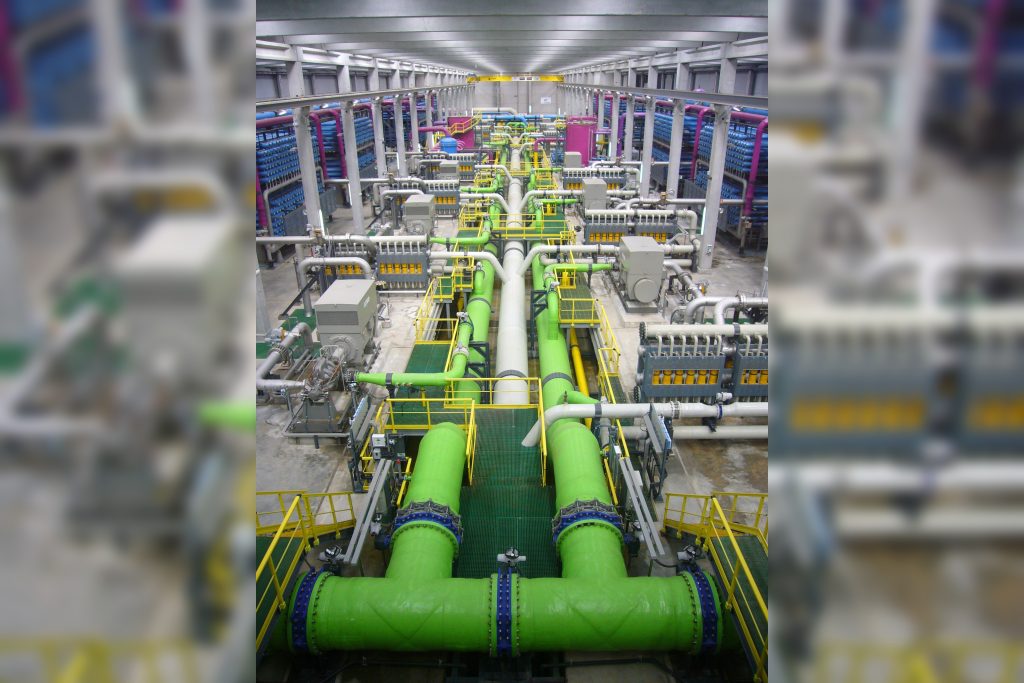
Water that goes down the drain in St. Johns County is now coming back as irrigation. The $191.8 million State Road 207 Water Reclamation Facility went into service May 11, 2026, and the county calls it the biggest capital improvement project it has ever carried out.
For families in a county that keeps growing westward, the point is to leave more drinking water in the ground. The facility treats wastewater and produces reclaimed water for irrigation, which takes pressure off the Floridan Aquifer, the main source of drinking water for Northeast Florida.
What the money bought
The price covers more than a plant. The project also includes multiple pump stations and about 15 miles of pipelines, 16 to 30 inches wide, that carry wastewater and reclaimed water. Two of the stations are named: the Watson Road Master Wastewater Pump Station and the Tillman Ridge Reclaimed Water Booster Pump Station.
The plant sits west of Interstate 95 at 3055 SR 207 in Elkton. It starts out able to treat 3.25 million gallons a day, with room to double to 6.5 million gallons as demand rises. Jacobs delivered it under a progressive design-build contract, and the county says design and construction ran in parallel to get it running sooner. Utility revenues paid for it, not property taxes.
Where the water goes
The reclaimed water is not for drinking. County officials say it already irrigates golf courses, neighborhood common areas and residential landscapes, and this plant expands that supply. Contractors have been tying the new mains into the existing reclaimed network.
“This project allows us to substitute a slightly lower quality of water for irrigation, extending the useful life of our aquifer for many years,” said Alan Flood, a senior engineer with the county utility department.
There is a river at stake too. Over 20 years, the county expects the project to keep more than one million pounds of nutrient pollutants, including nitrogen and phosphorus, out of the Matanzas River.
The state deadline
State law is pushing utilities this way. Under Florida Senate rules, utilities that discharge treated effluent into rivers, creeks or other surface waters had to file plans to end non-beneficial discharges and fully carry them out by January 1, 2032. The county says the facility helps it comply with State Senate Bill 64, which encourages reuse of treated wastewater.
County leaders call it the largest single item in an infrastructure push worth more than $820 million across 2025 and 2026. News4Jax reported that the inland plant should also relieve the Anastasia Island wastewater plant by moving some flows away from the coast, which could help the system hold up in major storms.
A ribbon-cutting ceremony is planned for late summer.
Sources
- St. Johns County’s $192 Million SR 207 Water Beast Roars to Life
- SJC’s Largest-Ever Capital Improvement Project Now Serving Residents – St. Johns County




