
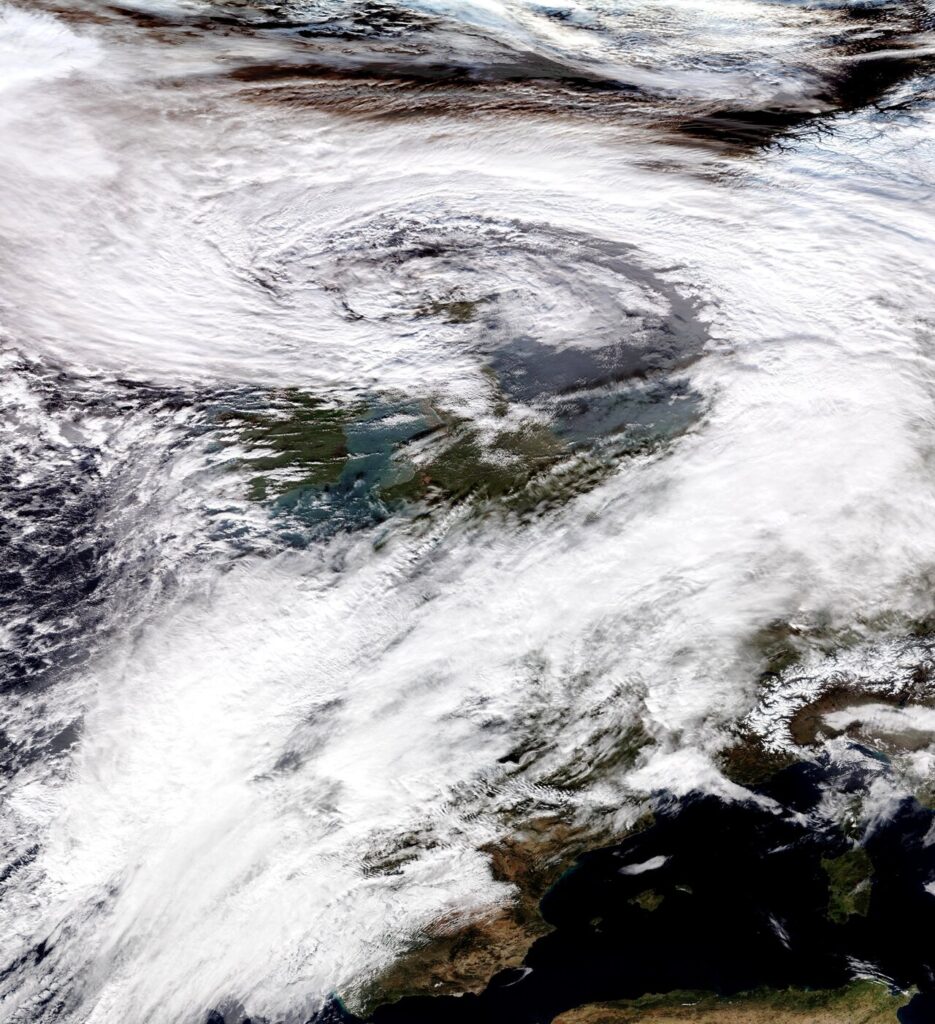
On December 6, 2024, millions across the United Kingdom received emergency alerts as Storm Darragh readies itself to make landfall over the British Isles. The impending storm has generated significant concern, with both residents and authorities preparing for possible disruptions and damage. Weather services continue to track the system, advising citizens to take appropriate precautions and remain updated on the storm’s trajectory.
A central element in the UK’s capacity to handle severe weather events such as Storm Darragh is its sophisticated early warning infrastructure. This system encompasses emergency alerts and consistent updates from meteorological services, allowing individuals to take preemptive measures to safeguard themselves and their property.
By delivering essential information promptly, these mechanisms help lessen the effects of harsh weather, lowering the chances of harm and destruction. As Storm Darragh approaches the British Isles, the performance of these systems will be under close observation. The storm’s imminent arrival also underscores the necessity of robust infrastructure and emergency readiness.
As the UK’s population and economy expand, the demand for resilient and flexible systems to manage extreme weather becomes more urgent. This involves not only advanced early warning capabilities but also dependable power grids, sturdy transportation networks, and efficient emergency response procedures.
Through investment in these domains, the UK can decrease its susceptibility to severe weather and limit the disturbance caused by events like Storm Darragh.
Energy Security and Severe Weather
The UK’s energy security is another vital element in its ability to address severe weather incidents. A steady and varied energy mix is crucial for powering the systems and infrastructure that back emergency response activities.
Renewable energy sources, including wind and solar power, can support a more secure and cost-effective energy supply, helping to reduce the UK’s dependence on imported fuels and buffer against price fluctuations. As the UK refines its energy strategy, the contribution of renewables to boosting energy security and aiding severe weather response will be a key factor. Looking forward, the effects of Storm Darragh are expected to persist for some time, with possible interruptions to travel, business, and everyday routines.
Nevertheless, the UK’s history of managing severe weather has also highlighted the value of community solidarity and cooperation. By collaborating and assisting each other, residents and neighborhoods can help reduce the storm’s impact and speed up recovery.
As the situation develops, the UK’s ability to respond to and recover from Storm Darragh will be carefully monitored, with insights gained shaping future initiatives to create a more resilient and sustainable society. As the UK plans ahead, its dedication to safeguarding the natural environment and encouraging sustainable growth will be essential in lowering its vulnerability to severe weather. By preserving and restoring natural habitats, cutting waste and pollution, and advancing eco-friendly practices, the UK can help maintain the health and integrity of its ecosystems, supporting a cleaner, greener planet for future generations.
As Storm Darragh arrives, the UK’s response will be steered by a strong recognition of environmental stewardship and a commitment to constructing a more resilient, sustainable future.




