
A severe storm that struck Linz and the Tyrol region on February 20, 2026, has resulted in five fatalities and one injury, with the most significant ongoing impact being extensive power outages that have crippled daily life. Homes, businesses, and critical infrastructure are without electricity, leaving residents in cold and darkness as emergency crews work to assess and repair the damage. Linz, a city of 214,064 people as of January 1, 2024, sits on the Danube River, a geography that can intensify severe weather.
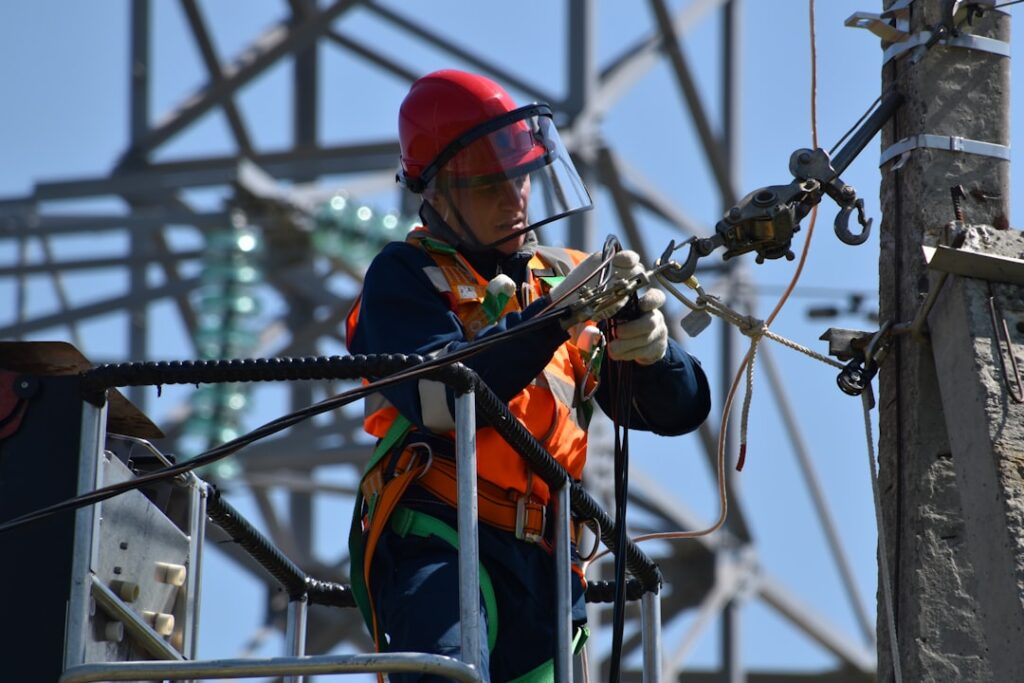
It ranks as the seventh-largest city along the Danube. The immediate priority for authorities is restoring power, with safety inspections underway and workers evaluating damage to power lines and substations.
Officials have not released further details about the victims or the nature of the injuries sustained by the lone survivor receiving medical treatment. The storm has raised questions about Linz’s push for renewable energy. The city has invested heavily in solar and wind projects as part of a plan to reduce reliance on non-renewable sources, a strategy officials say strengthens energy security, cuts costs, and benefits the environment. However, the snowstorm has exposed vulnerabilities in that system: solar panels buried under snow generate no power, and wind turbines can ice over or shut down in extreme gusts.
The city’s long-term bet on renewables is now facing a short-term stress test. Urbanization is accelerating globally, and cities like Linz are striving to lead on sustainable practices, promoting environmentally friendly policies to achieve stable energy supply and reduce vulnerability to price swings.
Extreme weather events like this storm reveal gaps in that approach. A stable grid is essential when snow accumulates and winds intensify. Renewable sources are part of the solution, but not the whole solution—backup systems, energy storage, and grid hardening are equally critical.
The local community is bearing the storm’s weight. Families without power face cold nights, food spoilage, potential failure of medical devices, and strained communication lines.
Once damage is fully assessed, the city may need to implement measures to prevent a repeat, such as burying power lines, adding battery storage, or imposing stricter building codes for new solar installations. Details remain unclear. Recovery efforts are focused on restoring power and ensuring safety, with crews working in difficult conditions of deep snow and treacherous roads.
The injured person is receiving care, while five families mourn their losses. City leadership faces pressure to restore services quickly.
For now, Linz and Tyrol remain in response mode, with cleanup expected to take days or weeks and repair costs running high. The lessons from this storm will be debated longer, as renewable energy remains central to the city’s identity—an identity that carries real-world risks when the grid must hold and people must stay safe. The dead cannot be brought back, but restoring power is the immediate task.




