
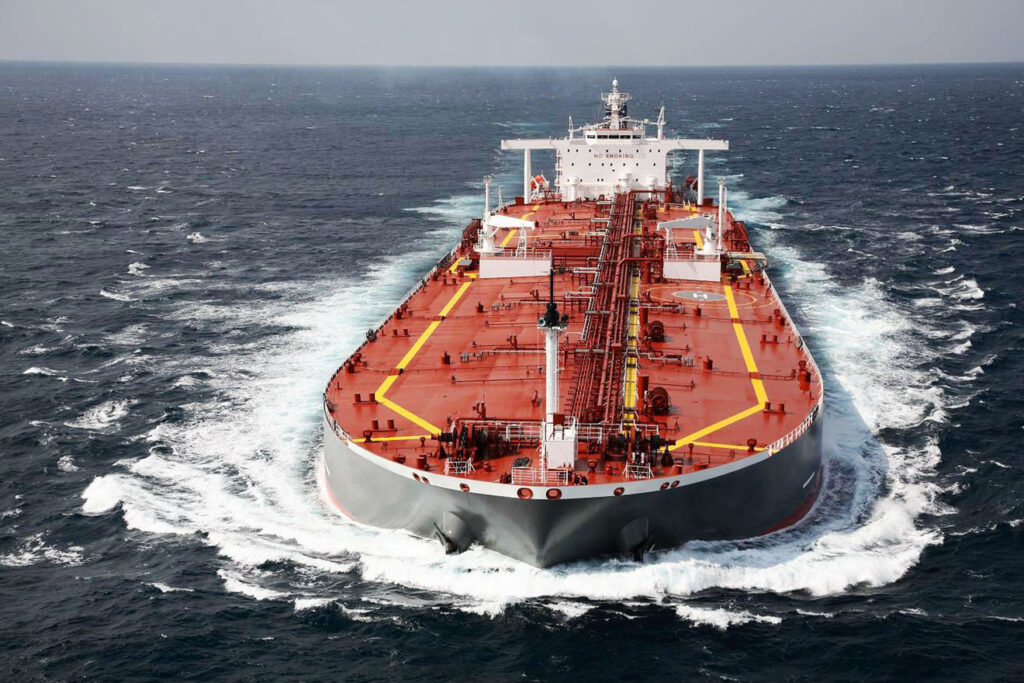
US Energy Secretary Chris Wright said 17 million barrels of oil moved through the Strait of Hormuz on a single Monday. He called it the highest crude volume through the waterway since the war on Iran disrupted shipping.
The ship trackers did not agree. Preliminary data compiled by Kpler counted just five commodity vessels crossing the strait that day, and no liquid tankers among them. Kpler’s count leaves out any ship that switches off its transponder, so the real number could be higher. On Tuesday the tracker logged four commodity vessels, fewer than the day before and below the 10-day average.
The same figure in June
It was not the first time 17 million barrels had been cited. On Saturday, June 20, US Central Command said 55 merchant vessels passed through the strait in 24 hours, carrying more than 17 million barrels of oil to world markets. Commercial shipping remained open, the command said, and traffic had picked up.
Central Command added that US forces were watching Iran’s compliance with the agreement the two countries had signed. The Joint Maritime Information Center, it said, had issued a recommendation that week confirming the designated route was safe for all vessels. “Safe passage” through the strait, in the command’s words, was fully ensured.
Iran said otherwise. The same Saturday, its military command, the Khatam al-Anbiya Central Headquarters, announced the strait closed to navigation again. Tehran accused the United States of breaching the first point of the memorandum and pointed to continuing Israeli strikes on southern Lebanon.
Fees on the table
There was a second threat in the mix. If the planned peace negotiations with Iran fail, the United States may impose its own tariffs and fees on ships using the strait. President Donald Trump has threatened such charges as payment for the “Guardian Angel” services America provides to Middle Eastern countries.
In a separate matter, Wright denied that Washington is trying to seize Venezuelan oil through a deal Trump announced. He described the arrangement as part of a plan to “replace conflict with commerce” and secure US “energy dominance.” The White House said the deal aims to shut China and Russia out of Venezuelan oilfields. Critics were quick to respond: The Wall Street Journal’s editorial board likened it to a scene from “The Godfather Part II,” and economist Francisco Rodríguez called it “gunpoint diplomacy.” Delcy Rodríguez, installed as interim president, has made concessions to US officials and says the deal will bring Venezuela significant revenue.
Sources
- US Energy Secretary disputes Hormuz Strait oil transit data
- Strait of Hormuz crisis: 17 million barrels pass as US dismisses closure reports




