
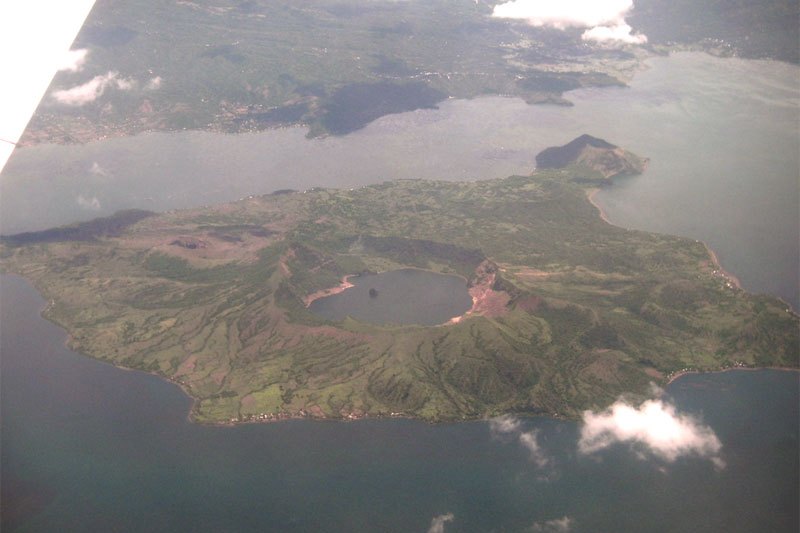
On January 12, 2020, the Taal Volcano in the Philippines erupted, prompting the cancellation of several flights due to safety concerns. The Ninoy Aquino International Airport (NAIA) stopped operations on Sunday, January 12, and may extend its closure depending on the volcano’s activity, according to the Civil Aviation Authority of the Philippines (CAAP).
As of 5:00 AM Monday, January 13, numerous flights were canceled at NAIA, including those operated by Philippine Airlines, Cebu Pacific, Air Asia, Cathay Pacific, All Nippon Airways, Delta Airlines, Malaysian Airlines, Air China, China Airlines, China Eastern Airlines, China Southern Airlines, and EVA Air. According to CAAP, the list of canceled flights includes international and domestic flights.
CAAP advised Clark International Airport to shut down airport operations for everyone’s safety, citing the potential impact of ash clouds from the eruption on airport operations. Several flights were canceled at Clark International Airport, including those operated by Air Asia, Emirates, Philippine Airlines, China Eastern, and AirSWIFT. The affected flights were scheduled to depart from or arrive at Clark International Airport on January 12 and 13.
The Philippine government and airlines took swift action to ensure the safety of passengers and crew. In a statement, CAAP said that the safety of passengers and crew is the top priority, and the agency is working closely with airlines and other stakeholders to minimize disruptions.
According to Philippine Airlines spokesperson, “the airline is working to rebook affected passengers on the next available flights, and we apologize for any inconvenience caused by the flight cancellations.” The eruption of Taal Volcano and the subsequent flight cancellations are expected to have a significant impact on the economy and social activities in the region. The tourism industry, which is a major contributor to the Philippine economy, is likely to be affected by the disruptions to air travel.
In an interview, Tourism Secretary Bernadette Romulo-Puyat said that the department is working with airlines and tour operators to minimize the impact of the eruption on tourism. “We are closely monitoring the situation and are working to provide assistance to affected tourists and locals,” she added. The eruption of Taal Volcano has caused significant disruptions to air travel in the Philippines, with numerous flights canceled and airports closed.
The Philippine government and airlines have taken swift action to ensure the safety of passengers and crew, and efforts are underway to minimize the economic and social impact of the eruption. As the situation continues to unfold, it is essential for travelers to stay informed and follow the advice of local authorities and airlines.




