
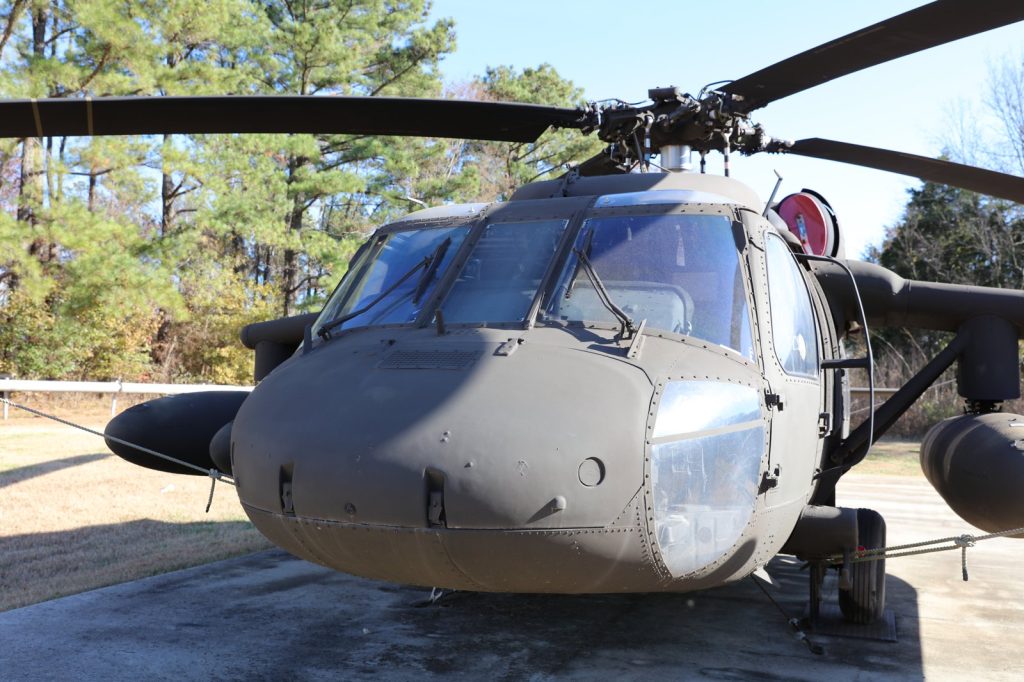
On 3 January 2020 a Republic of China Air Force UH‑60M Black Hawk helicopter crashed into the forested ridges of Yilan County, killing eight senior officials. Among the dead was Air Force General Shen Yi‑ming, who had been serving as Deputy Minister of National Defense for less than a year and was also the commander of the Air Force. The remaining seven victims were high‑ranking officers who were responsible for planning, commanding and executing Taiwan’s air‑defence operations.
The flight was part of a routine mission scheduled ahead of the Lunar New Year, a period when Taiwan’s armed forces maintain heightened alert because China usually steps up its military activity around the holiday. The aircraft lost contact with aviation authorities shortly after take‑off, and the pilot attempted an emergency landing in the rugged terrain. Rescue teams struggled to reach the crash site, and the Ministry of National Defense confirmed the fatalities later that afternoon.
According to the ministry, poor weather was a primary factor in the accident, though the final cause has not been released. Possibilities under investigation include pilot error, mechanical failure, or a combination of adverse environmental conditions. Standard military crash investigations can take months, and the lack of an immediate explanation has allowed speculation to spread.
Thirteen people were aboard the Black Hawk; five survived the crash. The survivors’ testimonies will be crucial for the ongoing inquiry, as the difference between survival and death reportedly hinged on seating position, angle of impact and a few feet of fuselage.
The loss of General Shen and his senior staff comes at a sensitive moment for Taiwan’s defence posture. The People’s Liberation Army Air Force frequently conducts incursions into Taiwan’s Air Defense Identification Zone, requiring the island’s Air Force to maintain constant readiness and a stable command structure. The sudden removal of the top commander and several key planners represents a “self‑inflicted wound,” as no hostile action caused the incident.
The UH‑60M model, a widely used military transport helicopter, is now under scrutiny. Previous Taiwanese military aviation incidents have raised questions about maintenance practices, pilot training and weather‑related flight planning. The Ministry of National Defense is expected to face pressure to release findings promptly, even as investigators stress the need for thoroughness.
Families of the deceased are awaiting official results, while the defence establishment must quickly fill the vacant positions. The successor to General Shen will inherit a command shaken by the tragedy, an ongoing investigation, and the same operational demands that existed before the crash, including the Lunar New Year mission that the helicopter was originally bound for.
Recovery of the remains took several hours due to the difficult mountain terrain, and the crash site remains a stark reminder of the accident’s impact. The long‑term consequences of losing a generation of senior military leaders are expected to be felt for years as Taiwan works to rebuild its command structure and address the safety concerns highlighted by the crash.




