
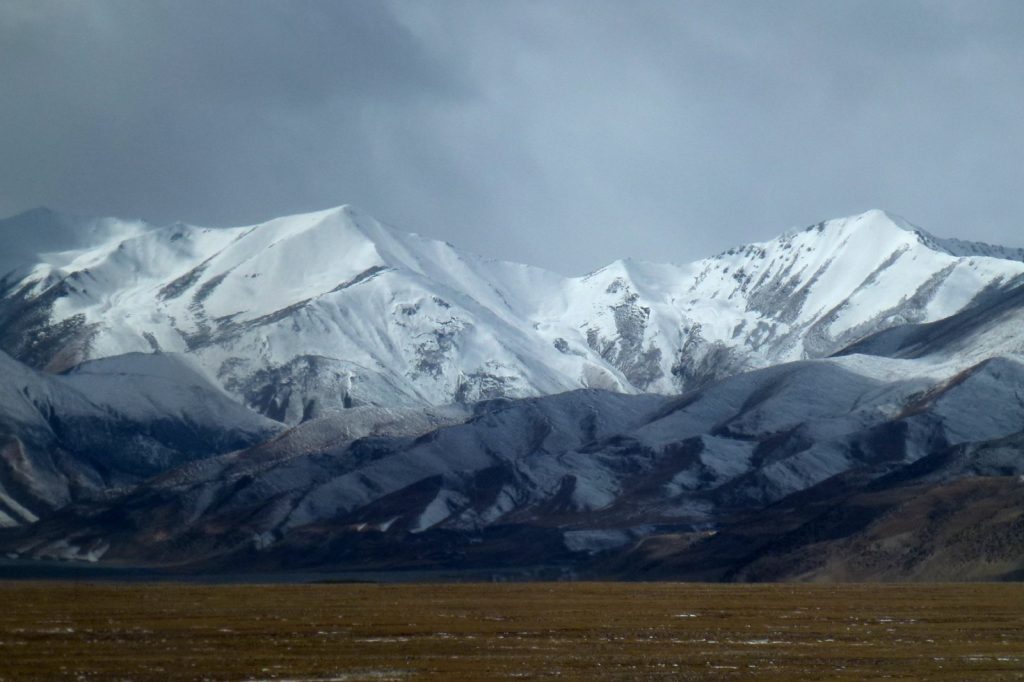
The world’s largest solar installation sits on the Tibetan Plateau in Qinghai province, China. Guinness World Records certified the Gonghe Talatan Solar Park at 8,430 MW in 2022, ranking it the highest-capacity solar power facility on Earth.
It is a cluster of plants built in phases since 2012 rather than a single station. One plant inside it, a 2,200 MW project run by Huanghe Hydropower, counted among the world’s biggest single PV plants when it was finished in 2020. The plateau helps: with peak-sun temperatures often below 25°C, the crystalline-silicon panels run more efficiently than they would in hotter desert parks.
As of 2026 the complex generates roughly 18 TWh of electricity a year, enough to power about 6 million Chinese households. Its altitude, around 10,000 feet with thinner and drier air, lifts the annual energy yield by 30% to 40% over comparable sites nearer sea level.
Strategically, the real innovation is the pairing with water. Part of the park runs alongside the Longyangxia hydroelectric complex on the Yellow River, pairing 850 MW of solar with its 1,280 MW of hydro. When the sun is high the dam holds back its flow; after dark it releases the water to spin turbines, smoothing solar’s stop-start output into something closer to a steady baseload. Guinness ranks the pairing as the world’s highest-capacity hydro-solar power station.
China’s ultra-high-voltage direct-current lines carry the power from this high-altitude west to the factories and cities of the east, the same corridor that moves most of the country’s long-distance renewable output.
What Talatan signals is a template: pairing complementary technologies, sun and water, instead of bankrolling battery banks, to make renewables dependable at the scale of a region. Its continued expansion is expected to push the footprint toward 150,480 acres.
Sources
- China's Talatan Solar: World's Largest Solar Plant
- Largest Solar Farms in the World 2026: Ranking | RenewableDB




