
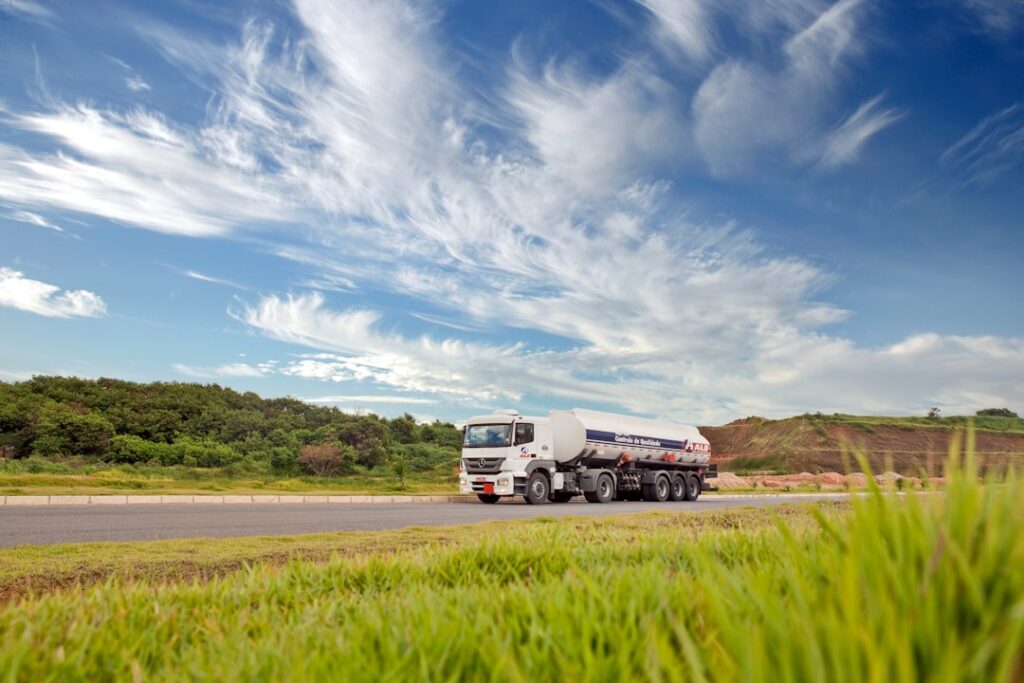
On September 8, a fuel tanker struck a truck in the town of Agaie, Niger State, triggering an explosion that killed 48 people and destroyed 50 head of cattle. The blast left a scene of total wreckage, prompting emergency crews to tally both human fatalities and animal losses. The cattle involved were predominantly Sanga breed, a hardy type well‑suited to the harsh conditions of sub‑Saharan Africa.
In Niger State, these animals form a cornerstone of the local livestock sector, which drives much of the region’s economy. Beyond providing meat and milk, cattle function as a form of wealth: they serve as savings, dowry items, status symbols and a financial buffer against poor harvests, medical emergencies or school fees.
Consequently, the loss of ten cows for a family can represent the disappearance of an entire year’s income and a vital safety net. Truck‑tanker accidents are a recurring problem across Nigeria. The country’s aging tanker fleet, deteriorating road network and pressure on drivers to meet tight schedules create conditions where spills and explosions are frequent. When a tanker overturns, onlookers often attempt to collect fuel, heightening the risk of fire.
Past incidents have resulted in dozens of deaths, and the Agaie crash adds another tragic chapter to that pattern. The immediate impact on Agaie’s community is multifaceted.
Families who lost relatives now face funerary responsibilities, while herders who saw their entire herds incinerated confront an uncertain future. The ripple effect extends to local businesses: butchers lose a supply of meat, tanners are deprived of hides, and markets will feel the shortage of both livestock and dairy products. Authorities in Niger State have pledged investigations and a review of road safety measures.
The incident underscores broader systemic issues, including the absence of dedicated routes for hazardous‑material transport and lax enforcement of safety standards. Nigeria’s roads rank among the world’s most dangerous, and traffic‑related fatalities remain among the highest per vehicle globally.
Repeated tanker explosions highlight the need for sustainable and responsible handling of fuel shipments. While the 48 victims have been identified in local reports, the 50 cattle, though unnamed, are counted and their loss will be keenly felt in households and markets alike. Replacing the livestock will not be swift; rebuilding herds can take years, and some families may never regain their former economic footing.
In the wake of the disaster, Agaie mourns both its human and animal losses. The explosion’s indiscriminate force serves as a stark reminder that, in this community, people and cattle are intertwined threads of daily life and livelihood.
The path to recovery will involve not only honoring the deceased but also addressing the structural deficiencies that allow such tragedies to recur.




