
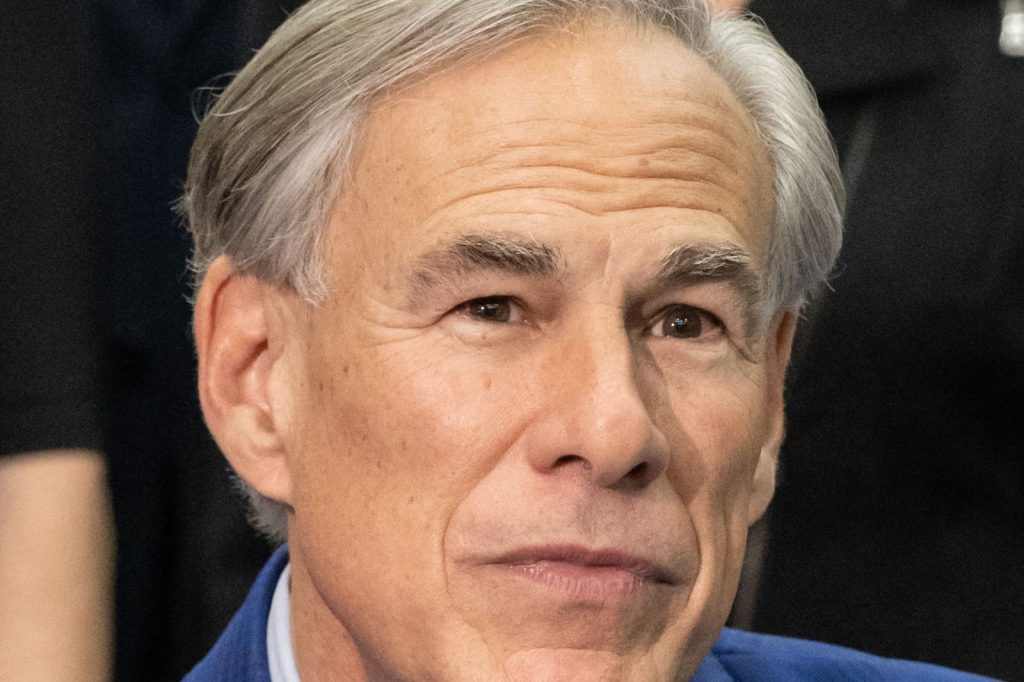
HOUSTON, July 7, 2024 — cybernewschronicle.com — More than half of Texas is now under a disaster declaration. Governor Greg Abbott’s office moved late Sunday to put 120 counties on notice as Tropical Storm Beryl churns toward the Gulf Coast. The order unlocks state funds, waives certain regulations, and lets emergency crews move equipment into place before the first rain bands arrive.
Beryl is not yet a hurricane. It does not need to be.
The 120-county sweep — from the Rio Grande Valley up through the Piney Woods and across the Hill Country — reflects what forecasters and state emergency managers know: this storm carries a broad, diffuse threat. Heavy rainfall, sustained winds, and storm surge along the coast are all possible. The declaration is a preemptive move, not a reaction to damage already done.
Texas has a long coastline on the Gulf of Mexico. That geography makes it a regular target.
But the scale of this declaration is unusual. One hundred twenty counties means roughly half the state’s 254 counties are now in the disaster zone. That includes major population centers like Houston, San Antonio, and Corpus Christi, as well as rural counties that lack the resources to handle a prolonged weather event on their own.
The state’s emergency management division is already coordinating with the Federal Emergency Management Agency. That partnership matters. FEMA can bring in supplies, personnel, and funding that Texas cannot generate internally.
The disaster declaration is the legal mechanism that makes that federal support possible. Without it, local governments would have to absorb the full cost of response and recovery.
For residents in the affected counties, the declaration means little until it is paired with action. Evacuation orders remain possible for low-lying areas. Officials are advising people to stock supplies, secure property, and monitor local alerts.
The storm’s track can shift. A system that looks manageable at noon can turn dangerous by midnight.
Beryl is the second named storm of the Atlantic hurricane season. It formed earlier than many tropical systems do, and it is moving into an environment that could allow for rapid intensification. Warm Gulf waters and low wind shear create conditions that can turn a tropical storm into a hurricane in a matter of hours.
The disaster declaration accounts for that uncertainty. The economic stakes are high. The Texas Gulf Coast is home to petrochemical refineries, ports, and shipping channels that handle a significant portion of U.S. energy exports.
A direct hit could disrupt operations for days or weeks. Agricultural counties inland face the risk of flooding that drowns crops and drowns livestock.
The declaration allows the state to begin pre-positioning sandbags, high-water vehicles, and shelter supplies. What is at risk is not just property. It is time.
The window to prepare closes once the wind picks up and the rain starts falling. The disaster declaration is an attempt to use that window.
It is a bureaucratic tool, but it is also a signal: take this seriously. Texas has been through this before. Hurricane Harvey in 2017 flooded hundreds of thousands of homes.
Hurricane Hanna in 2020 hit the same stretch of coast. Each storm teaches lessons, but each storm is different. Beryl will bring its own set of problems.
The declaration is the state’s way of saying it is ready to meet them. For now, the storm is still over the Gulf.
The counties are on alert. The machinery of emergency response is turning. What happens next depends on the wind and the water — and on whether the people in those 120 counties take the warning for what it is.




