
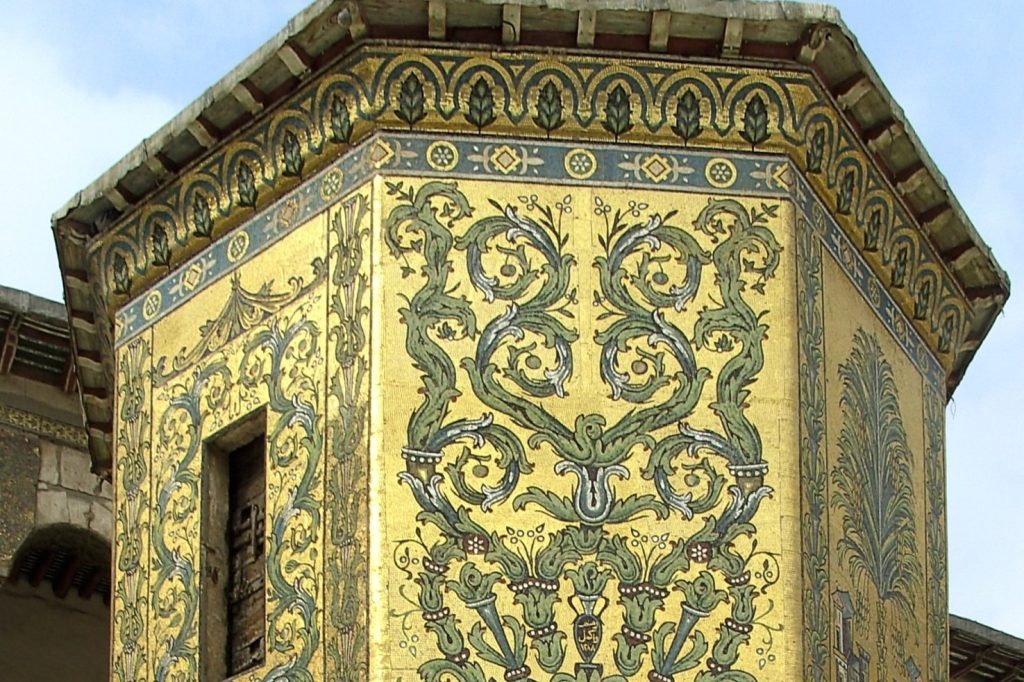
On 10 January 2025 a crowd crush at the Umayyad Mosque in Damascus, Syria, left three women dead and five children with injuries. The tragedy unfolded when a large gathering inside the historic sanctuary became dangerously packed, triggering a sudden stampede that swept through the interior. Preliminary investigations point to extreme crowd density as the primary factor.
Studies of crowd dynamics indicate that a space becomes hazardous when the number of people exceeds eight to ten per square metre. At that level, individuals lose the ability to control their movements, are pressed against one another, and can be knocked to the ground.
Once a few people fall, the weight of those behind can cause a progressive collapse, leading to trampling and crushing injuries. In contrast, a density of about five persons per square metre is generally considered manageable, albeit uncomfortable. Authorities are now examining how the mosque’s capacity was assessed and whether crowd‑control measures were in place.
Experts stress that effective management includes clear limits on the number of attendees, organized entry and exit routes, and the presence of emergency responders ready to intervene should conditions deteriorate. The incident has revived calls for stricter safety protocols at places of worship and other venues that regularly host large numbers of people.
Recommendations commonly cited by safety specialists involve: While the focus remains on the immediate causes of the stampede, officials also highlighted the broader need for preparedness in public spaces across Syria. The Ministry of Interior announced that a task force will review existing crowd‑management guidelines and propose updates to prevent a repeat of the Damascus tragedy. Families of the three deceased women have been notified, and the injured children are receiving treatment at nearby hospitals.
Community leaders expressed sorrow and urged solidarity, emphasizing that the loss underscores the importance of protecting vulnerable groups in densely packed environments. In the aftermath, the Umayyad Mosque, a UNESCO World Heritage site, has been temporarily closed while safety assessments are carried out.
Restoration of normal services will depend on the outcome of the ongoing inquiry and the implementation of any new crowd‑control recommendations. The event serves as a stark reminder that even historic and revered sites are not immune to the risks associated with overcrowding. By applying established crowd‑safety principles and ensuring that emergency resources are readily available, authorities aim to safeguard worshippers and visitors alike in the future.




