
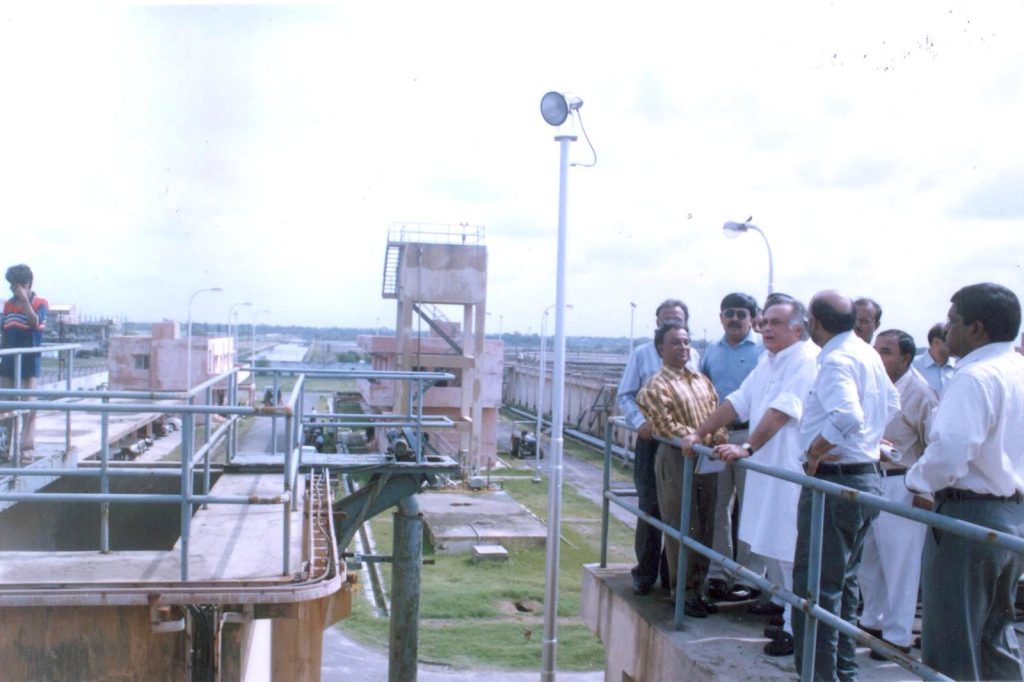
On 2 February, three workers who were clearing a blocked pipe at the Kolkata Leather Complex in Bantala lost their lives. Their bodies were recovered from the drain after the fatal incident. The complex, situated roughly 20 kilometres from the centre of Kolkata, was established by a court‑mandated relocation of tanneries deemed polluting in other parts of the city.
Spanning 4.5 square kilometres, it accommodates waste from an estimated 500 industrial units and processes about a quarter of India’s total tanning output, which is roughly 22‑25 percent of the national volume. To manage the large quantities of hides and chemicals, the site is equipped with a Common Effluent Treatment Plant (CETP), a network of pumping stations and other utilities intended for consolidated waste handling.
These facilities are meant to limit the environmental impact of the leather industry. Despite the presence of this infrastructure, the routine cleaning operation turned deadly. The equipment designed to handle effluent, sludge and occasional clogs failed to protect the workers, and safety procedures did not avert the tragedy.
The incident highlights a gap between the existence of large‑scale treatment systems and the on‑ground safeguards required for personnel working in confined spaces. India’s industrial zones have a long history of workplace safety challenges, with deaths in confined environments such as drains, tanks and sewers occurring regularly due to toxic gas accumulation or insufficient rescue equipment.
The Kolkata Leather Complex, a major economic hub employing thousands, now serves as a stark example of how the disparity between installed safety mechanisms and actual worker protection can result in loss of life. In the aftermath, several authorities are expected to examine the circumstances. The state’s factory inspectorate is likely to investigate whether the cleaning operation had proper authorization, if gas monitoring was conducted, and whether workers were equipped with safety harnesses. Company management may face scrutiny over maintenance practices and oversight of contractors.
Legal proceedings could follow, and the families of the deceased are anticipated to seek compensation in accordance with labour‑law provisions. Beyond immediate accountability, the episode raises broader questions about the structural approach to industrial pollution control.
While relocating tanneries and centralising waste treatment was intended to curb environmental damage, the model appears to overlook the human cost of operating such facilities. A CETP can treat contaminated water, but it does not safeguard the workers who maintain the system. Similarly, pumping stations move waste efficiently, yet they do not ensure that safety regulations are actively implemented.
The incident is not an isolated failure; it reflects a pattern where substantial investment in environmental infrastructure is not matched by comparable spending on worker safety measures—often cheaper, yet essential, precautions. As the drain will need to be cleared again, a new crew will be dispatched.
The critical issue now is whether proper monitoring of air quality, entry procedures and rescue equipment will be enforced to prevent a repeat of the tragedy. With the Kolkata Leather Complex handling a significant share of the nation’s leather processing, the need for vigilant safety practices is as important as the environmental controls already in place. The existing infrastructure can contain effluent, but without rigorous oversight, it cannot guarantee the safety of the men who keep the system running.




