
A three‑year‑old toddler was among the three people killed when a residential building collapsed in Soweto on Monday, December 28. The same incident left three others injured. The loss of a child who had not yet reached 2026 has turned what might have been recorded as a routine structural failure into a stark reminder of the safety challenges facing the township.
Soweto, the expansive township southwest of Johannesburg that was incorporated into the City of Johannesburg Metropolitan Municipality in 2002, has seen both new construction and the ageing of older structures since its merger. While the exact cause of the collapse remains under investigation, the incident has sparked a series of questions about building inspections and maintenance in the area.
The City of Johannesburg Metropolitan Municipality bears a statutory duty to ensure that buildings comply with safety standards. When a structure fails, the focus shifts from whether the system failed to pinpoint where the breakdown occurred: Was the building ever inspected? If so, when and what were the findings?
Were reports filed and followed up on? These inquiries are essential to determine whether the tragedy could have been prevented.
Community members have offered condolences to the families affected, yet expressions of sympathy do not restore confidence in the oversight process. Trust is rebuilt only when inspections are conducted on schedule, hazardous buildings are identified promptly, and enforcement actions—such as eviction orders—are taken before a disaster unfolds. The three injured survivors are receiving medical care, while the families of the deceased mourn their loss.
The toddler’s death is not merely a statistic; it underscores the human cost of potential lapses in the city’s inspection regime. As investigators assess the structural integrity of the collapsed building and examine whether warning signs were ignored, the broader issue of uninspected structures in Soweto looms large.
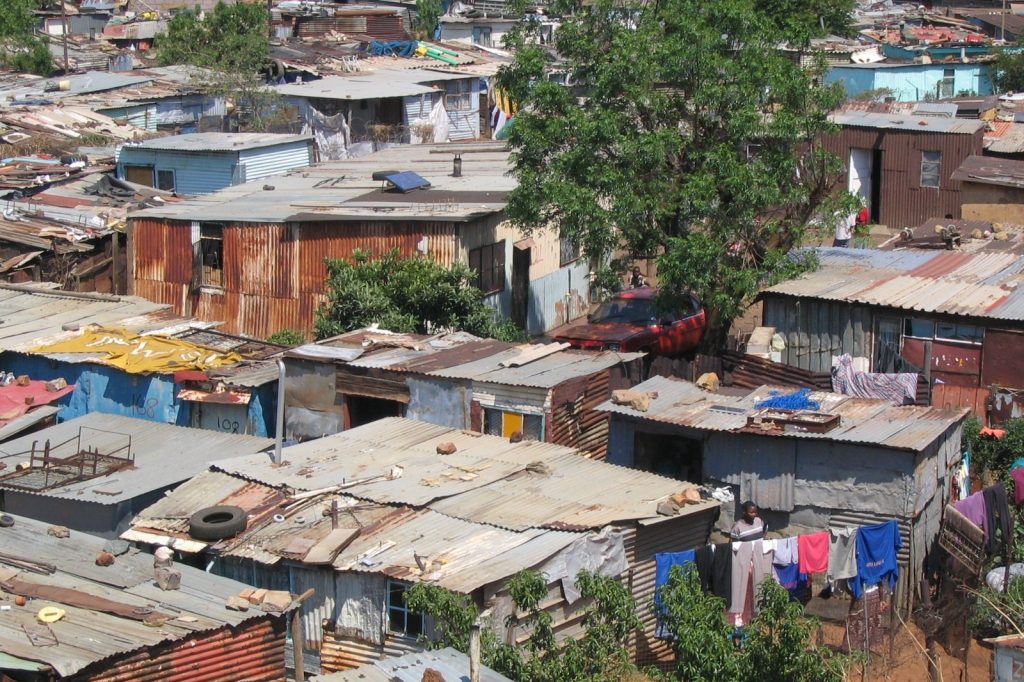
Officials acknowledge that many buildings in the township have not undergone inspection in the past year, raising concerns that additional unsafe structures could exist undetected. Regular inspections and timely maintenance are not optional measures but essential safeguards against collapses. The municipality’s responsibility extends beyond post‑incident statements.
Effective enforcement requires active fieldwork: inspectors must be present on site, violations must be documented, and non‑compliant buildings must be closed until remedied. Without such actions, cosmetic improvements—such as repainting a deteriorating wall—may create a false sense of security while the underlying risks remain.
As rescue and recovery efforts continue, the City of Johannesburg faces mounting pressure to provide clear answers about steps being taken to prevent a repeat of this tragedy. The community and observers alike are watching for concrete measures rather than prolonged reviews or committee deliberations. The urgency is clear: without decisive action, the next building collapse in Soweto may not be a question of “if” but “when.”




