
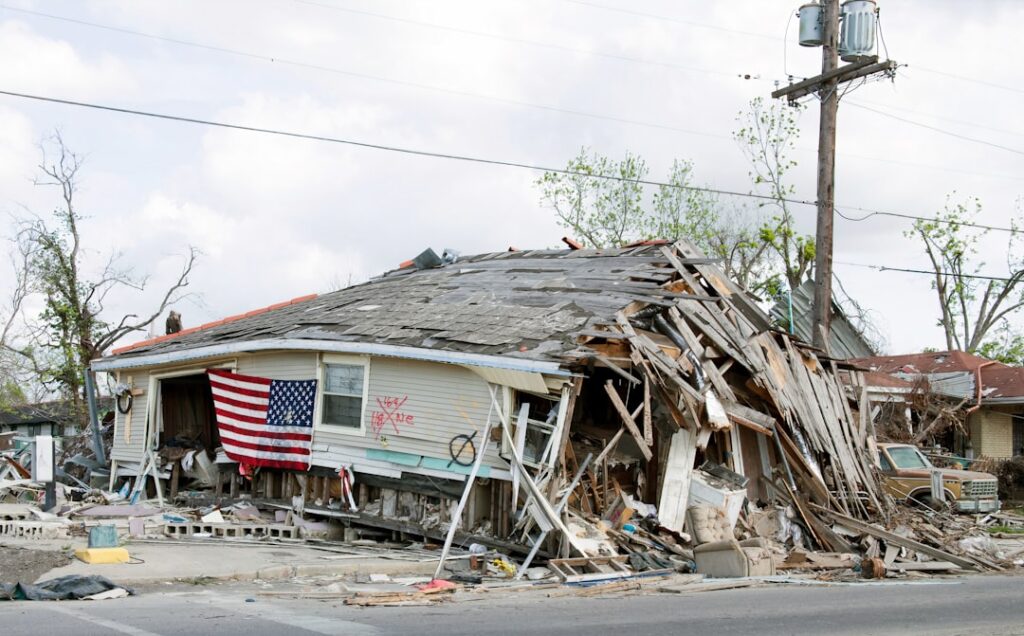
The tornado outbreak that began on May 5 has now left five people dead. The numbers are small on a national scale. For the families in the scattered communities hit across multiple states, the number is everything.
They lost people. They lost homes.
The twisters tore through and then moved on, leaving emergency services to work around the clock. This is not a random act of weather. The conditions that produced these tornadoes have been building for a long time.
A destabilized climate loads the atmosphere with more energy. Warm, moist air collides with cold fronts with greater frequency and intensity.
The result is a longer, more violent tornado season. What used to be a rare, terrifying event now arrives in three-day waves. The destruction is not an anomaly.
It is a pattern. Rescue teams are still searching for survivors. The injured are being treated.
The displaced are beginning to ask where they will sleep next week. The immediate crisis demands all attention.
But the crisis did not begin on May 5, and it will not end when the last body is recovered. The long-term impact on local ecosystems is a real concern. Topsoil gets stripped.
Water sources get contaminated with debris and fuel. Wildlife corridors are severed.
The land takes years to recover, if it ever does. The connection between extreme weather and environmental degradation is no longer theoretical. It is visible in the wreckage.
The report on this disaster correctly raised the question of what we do next. Investing in renewable energy—wind, solar—is not an abstract policy preference. It is a direct response to the conditions that make tornadoes like these more likely.
Fossil fuel combustion loads the atmosphere with heat. That heat drives the storms.
Reducing reliance on fossil fuels reduces the energy available for the next outbreak. Recovery efforts must also change. Rebuilding with the same materials and the same methods means rebuilding the same vulnerability.
Green infrastructure—permeable surfaces, native vegetation, reinforced storm shelters—can mitigate the impact of future extreme weather. Eco-friendly construction materials are available.
They are not always cheaper upfront. But the cost of doing nothing is counted in lives. The tornadoes struck communities across the nation.
They did not discriminate by region or income. The damage is widespread. The need for aid is urgent.
But the underlying problem is not the weather itself. It is the system that has allowed the weather to become more dangerous.
A clean planet is essential for human and wildlife well-being. That is not an opinion. It is a fact written in the debris of May 5.




