
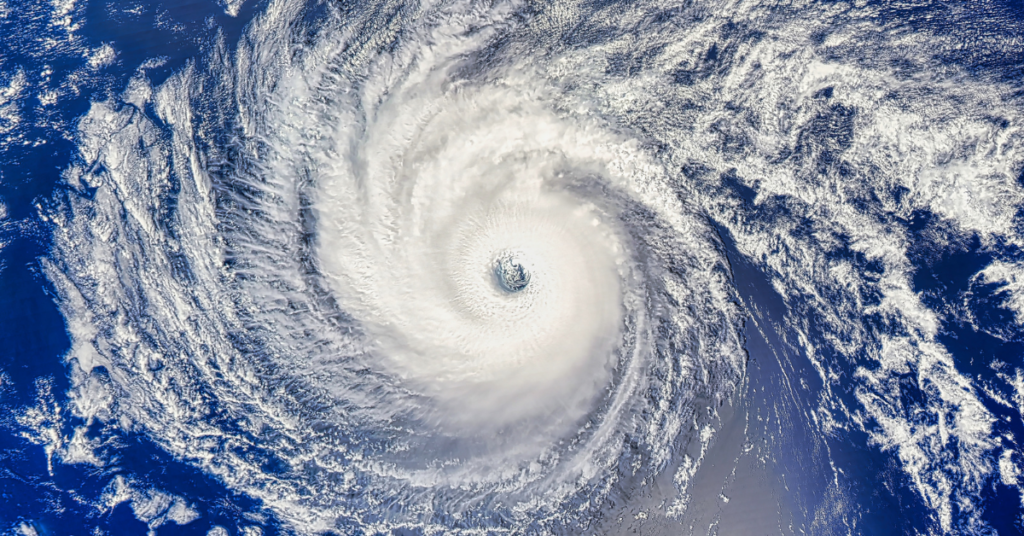
As of August 27, Tropical Storm Idalia has emerged in the Gulf of Mexico, becoming the tenth tropical or subtropical storm recorded in the 2023 Atlantic hurricane season. This development highlights the ongoing activity in a region known for its susceptibility to such weather systems.
The Gulf of Mexico is a large body of water bordered by the Gulf Coast of the United States, several Mexican states including Tamaulipas, Veracruz, Tabasco, Campeche, Yucatán, and Quintana Roo, as well as Cuba. Its roughly oval shape spans about 810 nautical miles in width, with a floor composed of sedimentary rocks and recent sediments. The Gulf connects to the Atlantic Ocean through the Straits of Florida, a passage that facilitates the exchange of water, nutrients, and marine life between the two systems.
This connection supports a diverse ecosystem and contributes to the region’s ecological health. The formation of Tropical Storm Idalia serves as a reminder of the dynamic conditions in the Gulf of Mexico.
The basin plays a critical role in the regional economy, hosting numerous oil and gas platforms that supply global energy markets. However, this industrial activity exists alongside the need to protect the environment and preserve the Gulf’s natural features. As the world shifts toward more sustainable energy sources, the region has potential to support renewable energy development, which could reduce reliance on fossil fuels and promote long-term environmental goals.
Monitoring efforts are now focused on the storm’s trajectory and potential impact on surrounding areas, including coastal regions of the United States, Mexico, and Cuba. Weather forecasters and emergency management officials are tracking the storm closely to assess any threats to people and property.
Preparedness measures such as evacuations, storm shelters, and infrastructure reinforcement are being considered to mitigate potential damage. The Gulf of Mexico’s connection to the Atlantic Ocean through the Straits of Florida is a vital link in the global oceanic system. This passage supports the exchange of resources that sustain marine biodiversity and ecosystem health.
Environmental conservation efforts in the region aim to preserve these natural resources for future generations. Tropical Storm Idalia’s formation underscores the importance of environmental stewardship and responsible resource management.
As the storm develops, the priority remains ensuring safety while protecting the natural environment. Investments in renewable energy and conservation initiatives may help secure a cleaner, more sustainable future, with the Gulf of Mexico playing a key role in this vision due to its rich biodiversity and ecological significance.




