
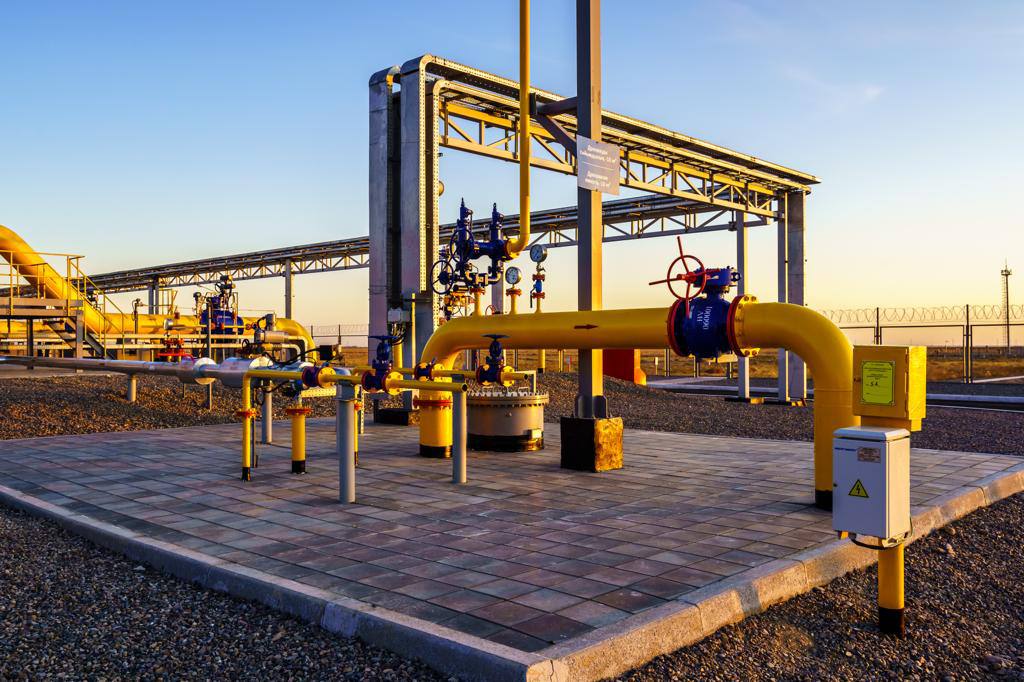
Azerbaijan sent 3.217 billion cubic meters of natural gas to Türkiye between January and April 2026 and earned $823.2 million from it. The figures appear in the report “Foreign Trade Relations of Azerbaijan in January–April 2026,” published by the country’s State Statistics Committee.
Set against the same months of 2025, revenue from those sales fell by $71.7 million, or 8%. Volume went the other way, edging up by 26 million cubic meters, or 0.8%. Türkiye took slightly more gas and paid less for it.
Türkiye was one of eight buyers. Across all destinations, Azerbaijan exported 8.416 billion cubic meters worth $2.536 billion over the four months. Total volume rose by 256 million cubic meters, or 3.1%, from a year earlier.
Gas moved into Azerbaijan too. The country imported 168 million cubic meters, valued at $11.307 million, and Iran was the only supplier. The committee reported no Iranian gas imports at all for January through April of the previous year.
Ankara’s view from Baku
Zafer Demircan, Türkiye’s Deputy Minister of Energy and Natural Resources, spoke to Trend on the sidelines of two ministerial meetings in Baku, the 12th of the Southern Gas Corridor Advisory Council and the 4th of the Green Energy Advisory Council. He said Azerbaijan and Türkiye keep widening their energy ties through major regional and international projects.
“Cooperation, particularly in the energy sector, should remain a priority,” Demircan said. He added that models like this can show how countries strengthen energy security, and that representatives from many countries were due to trade views on joint projects.
Türkiye wants a large part in those initiatives, he said, and not only in gas. “Türkiye will also become an important participant in regional electricity projects in the future,” Demircan said. He also pointed to renewable energy as a field where the experience from gas can be put to use.
“Azerbaijan and Türkiye have already jointly developed and successfully implemented numerous large-scale projects. This cooperation continues, and new initiatives will follow.”




