
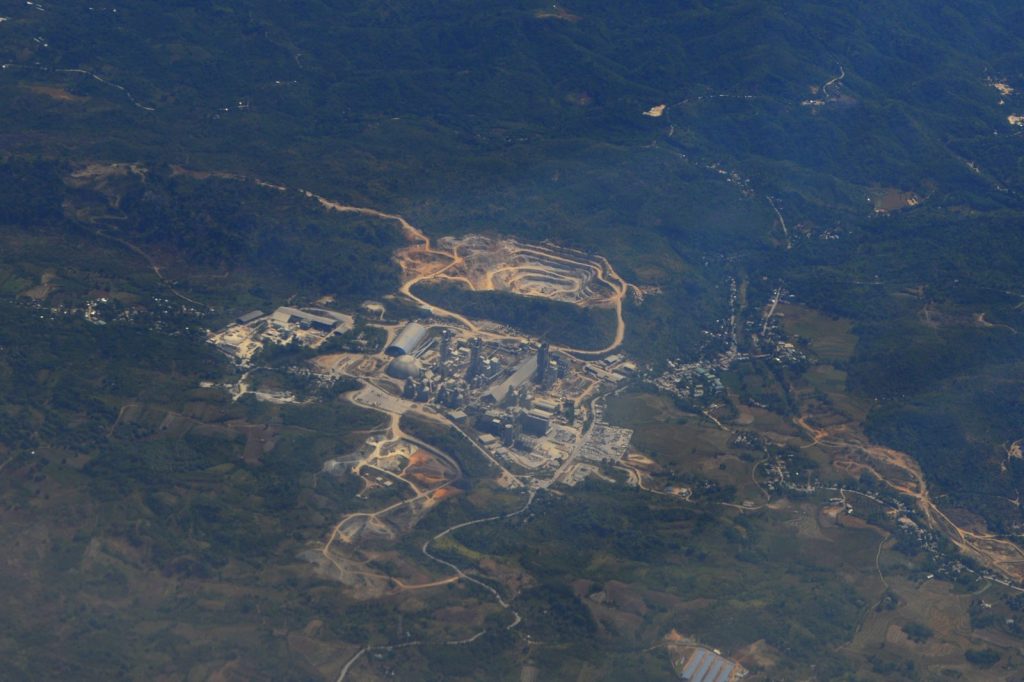
Weeks after July’s typhoon swept across the archipelago, the deluge did not simply cease with the wind. Rivers continued to carry a thick, gray‑colored slurry—water mixed with silty mining tailings—downstream into farmland and residential zones.
The prolonged runoff has highlighted a deeper, systemic problem: the structural frailties of many tailings dams were exposed, and they now pose a chronic risk rather than a one‑off failure. Environmental organisations and international observers point to the fact that numerous tailings facilities were not engineered to endure the volume of water delivered by the country’s peak typhoon season. In addition, the monitoring mechanisms intended to provide early warnings were either absent or insufficient.
By the time visible signs of erosion and strain appeared, contaminated water had already travelled downstream, affecting communities and crops. The Philippines’ mining sector, which operates open‑pit mines and tailings storage sites throughout the nation, relies heavily on ageing infrastructure.
The July events demonstrated that the existing regulatory framework did not prevent the release of waste when extreme weather struck. The disaster did not create the vulnerability; it merely revealed it. When tailings breach or weaken, the resulting slurry merges with floodwaters, flowing across provincial borders and disregarding property lines.
Residents living near these facilities—many of whom depend on the floodplain for agriculture—found their water sources polluted and their fields damaged. The immediate impact extends beyond environmental contamination to the loss of livelihoods and heightened health risks that persist long after the waters recede.
International experts who have monitored the sector for years note a consistent pattern: ageing dams, limited oversight, and increasingly powerful storms. Their assessment warns that without substantial investment in safer storage solutions, the probability of a catastrophic failure remains high for a large number of sites operating under current standards. The cost of the disaster cannot be measured solely by cleanup budgets. Communities now face the arduous task of removing a slurry that does not easily wash away, while coping with contaminated drinking water and reduced crop yields.
The longer‑term consequences include eroding public confidence in the institutions tasked with protecting citizens from such hazards. Officials have acknowledged gaps in preparedness that were evident after the July floods, citing the lack of real‑time monitoring and missed warning signals.
Addressing these deficiencies will require financial resources, political commitment, and an acceptance that existing safety standards are insufficient. As the nation continues to confront the aftermath, the pressing question remains: will the next typhoon encounter the same structural weaknesses, or will reforms and upgraded infrastructure mitigate the risk? The answer will determine whether the current damage is an isolated episode or a preview of future challenges for the Philippines’ mining industry and the communities living in its shadow.




