
“We have received reports that people’s homes have floated away and that people were potentially in those homes.” That was Jeremy Zidek, spokesperson for Alaska’s Division of Homeland Security and Emergency Management, describing what responders heard from two villages in the Yukon-Kuskokwim Delta as the remnants of Typhoon Halong hit on the weekend of October 11 and 12, 2025.
Rescue aircraft went to Kipnuk and Kwigillingok. Alaska State Troopers said at least 18 people were pulled out in Kwigillingok and at least 16 in Kipnuk, and that three people in Kwigillingok were unaccounted for. In Kipnuk, troopers had only secondhand reports of missing residents and were working with local officials to pin down a number. Searches were set to continue overnight as conditions permitted.
Troopers, the Alaska Air National Guard, the Alaska Army National Guard and the U.S. Coast Guard all joined the effort. The Coast Guard took roughly 20 people from houses that had drifted out to sea.
A storm that arrived on top of another
The ex-typhoon pushed into the Bering Sea on Sunday with hurricane-force gusts, big waves and major coastal flooding. The National Weather Service logged winds up to 100 mph. Water had already been high since the week before, when a different storm system brought surge and heavy rain, so the delta had no time to drain.
Video from Bethel showed boats washed away. In Emmonak, wind and surf tipped a boat onto its side. Photos from the state’s emergency management office showed dozens of homes ringed by water. A Coastal Flood Warning ran through Monday afternoon for much of the coast, with water 4 to 6 feet above normal high tide. Kipnuk saw a record 6.6 feet (2.0 m) above mean high water.
Nearly 600 people in Kipnuk and about 300 in Kwigillingok sheltered in their schools, according to the nonprofit Coastal Villages Region Fund. The group also said the damage could exceed that of Typhoon Merbok in 2022.
“Every effort will be made to help those hit by this storm. Help is on the way,” Gov. Mike Dunleavy said.
The region is among the most isolated in the U.S. Some communities have few roads, and people get around on boardwalks, by boat and by snowmobile, Zidek said.
Origins and aftermath
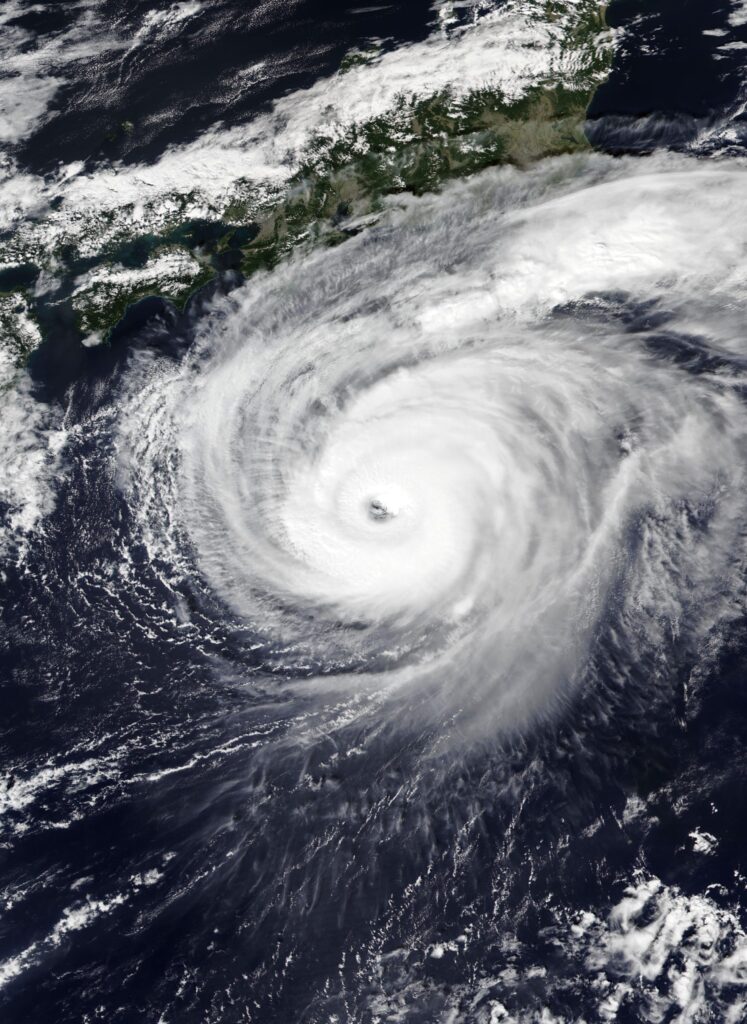
Halong formed south of Iwo Jima on October 4, became a typhoon on October 6 and reached Category 4 strength on the Saffir-Simpson scale. Near Japan’s Hachijojima island it brought record rainfall of 349 millimetres (13.7 in), and strong waves killed one person in Japan. It turned extratropical on October 10 and made landfall near Buckland, Alaska, on October 12.
Troopers later confirmed one death in Kwigillingok, with two others missing, and said everyone in Kipnuk was accounted for. Dunleavy declared a disaster for parts of western Alaska. In his request for a federal declaration, filed October 16, he said many residents “will not be able to return to their communities for more than 18 months.”
President Donald Trump approved the declaration on October 22, with the federal government covering all disaster-related costs for 90 days. The state Department of Homeland Security counted 208 homes totally destroyed, 471 with major damage and 389 with minor damage. More than 1,600 people were displaced, and a FEMA assessment put the damage at $125 million.
Sources
- People missing, dozens rescued in western Alaska after Typhoon Halong's remnants cause widespread flooding
- Typhoon Halong (2025) – Wikipedia
- Typhoon in Alaska leaves 3 missing, while nor'easter brings flooding to East Coast




