
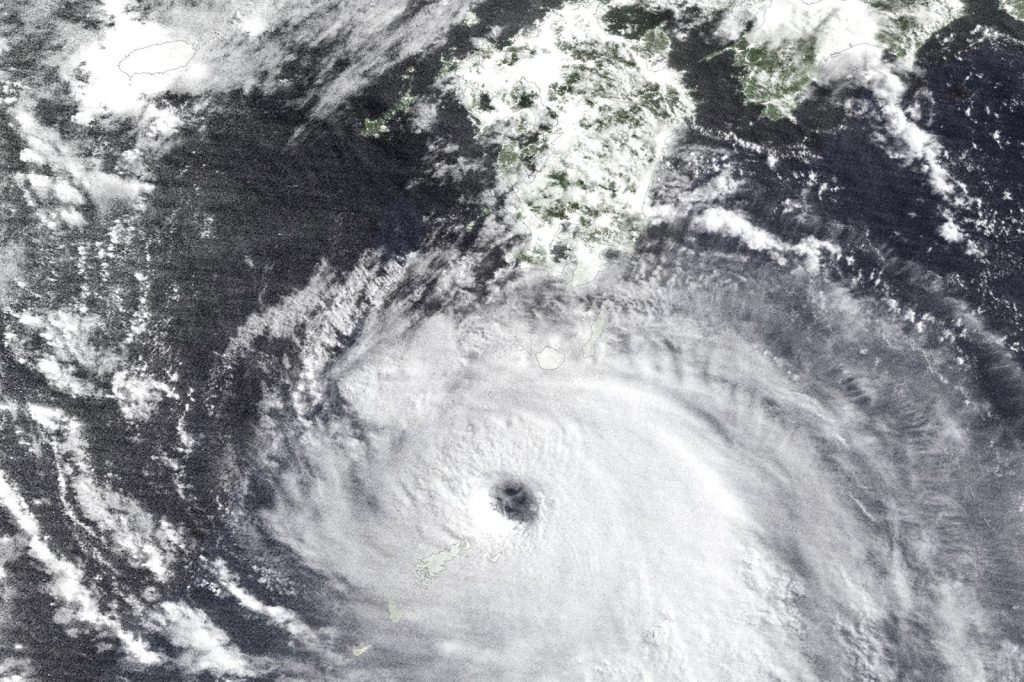
The Japan Meteorological Agency (JMA) has issued a landfall warning for Kagoshima Prefecture as Typhoon Shanshan approaches southwestern Japan. The alert, released from the agency’s headquarters in Minato, Tokyo, signals that the storm is expected to move onto land, prompting the shift from forecasting to issuing public warnings.
In response to the warning, airlines have already removed hundreds of flights from their schedules. These cancellations are precautionary, reflecting the expectation that strong winds and heavy rain will soon affect the region. The removal of so many flights indicates a significant disruption to daily life before the storm makes contact.
JMA, operating under the Ministry of Land, Infrastructure, Transport and Tourism, is responsible for gathering weather data, producing forecasts, and delivering specialized information to aviation and maritime sectors. The agency’s aviation advisories have been acted upon, and similar guidance for the marine sector is forthcoming.
According to the agency’s report, the potential for damage from Typhoon Shanshan is high. Immediate threats include powerful gusts and intense rainfall, which could lead to widespread power outages, damage to infrastructure, and interruptions to transportation, commerce, and industry. While the storm has not yet caused physical harm, the warning underscores the seriousness of the anticipated impact. Residents of Kagoshima and surrounding areas are being urged to take necessary precautions.
The JMA alert serves as a trigger for local authorities and the public to prepare for the worst-case scenario, following Japan’s established disaster‑response framework that is routinely activated during typhoon season. The agency’s advanced observation and research capabilities allow it to monitor the storm’s trajectory and issue timely warnings.
However, the effectiveness of these warnings depends on the actions taken by individuals, businesses, and government agencies. The current situation illustrates the typical sequence: the agency issues an alert, airlines cancel flights, and residents begin preparations. Typhoon Shanshan is described by the JMA as moving with force and speed toward the Japanese mainland.
This wording reflects the agency’s technical language rather than dramatic embellishment, emphasizing the storm’s momentum. The landfall warning for Kagoshima marks the beginning of the response phase, which will likely expand to include additional sectors as the typhoon draws nearer.
Japan’s disaster‑management system, refined through repeated exposure to typhoons, is now in operation. The alert for Kagoshima activates protocols that have been tested many times, ensuring that emergency services, utilities, and transportation networks are ready to respond. While the storm has not yet caused damage, the window between the issuance of the warning and the expected landfall is critical.
During this period, flight cancellations have already altered travel plans, and residents are expected to secure homes, stock essential supplies, and stay informed through official channels. The situation remains dynamic, and further updates from the JMA will determine the next steps for both aviation and maritime operations, as well as broader community preparedness efforts.
As Typhoon Shanshan continues its approach, the focus stays on minimizing disruption and safeguarding lives across the affected prefectures.




