
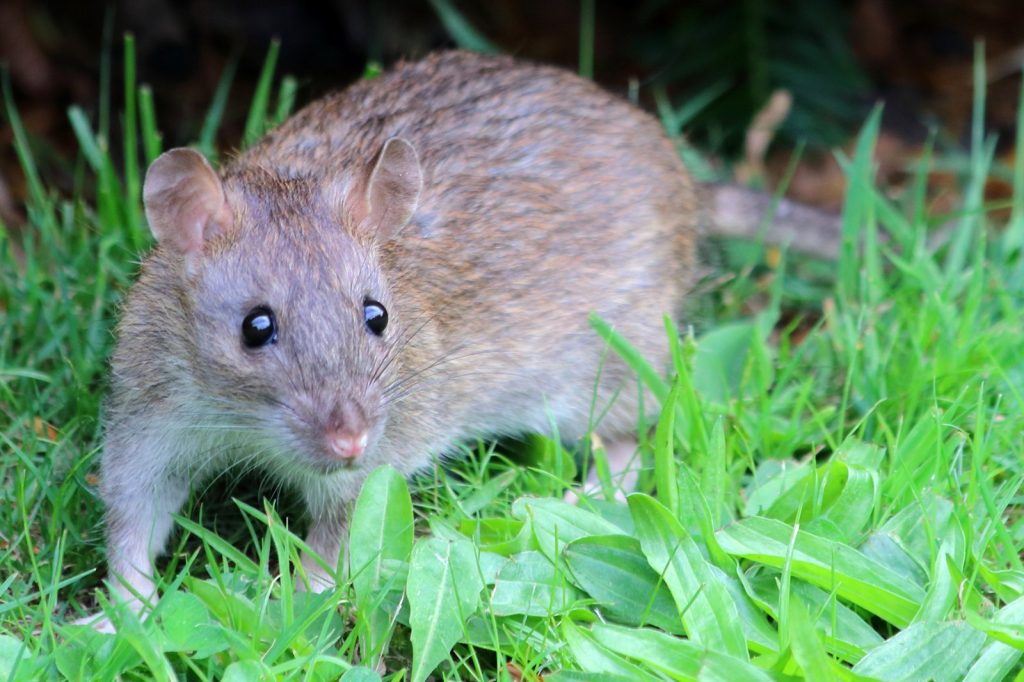
Nearly half of all pest-related callouts in Britain now involve rodents in homes and workplaces. That is where the heatwave has left the pest trade, and specialists are warning that this could be “the worst summer for rat invasions ever.”
The UK spent the week under 39C heat, with the Met Office and UK Health Security Agency issuing a red heat health alert. People are not the only ones looking for relief. Rats and mice are reportedly pouring into houses to get out of the sun.
Why the heat drives them in
Rodents are usually a winter problem, when they come inside for warmth. Good Housekeeping pointed out that heatwaves can bring an influx too. The pests head indoors to escape the extreme heat, look for water and find food, which is easier to come by when more people eat outside and bins overflow. Open windows and doors give them an easy way in.
The magazine also tied the problem to the longer-term climate. “These record-breaking warmer summers don’t look like they’re going to be slowing down any time soon and global warming has a direct impact on rodent infestations,” it said. Longer, warmer summers stretch the breeding season and speed up reproduction, which means far bigger populations all hunting for the same resources.
One pest controller with three decades in the job was blunt about it. “I’ve been working in this industry for 30 years and because of a cocktail of problems combining at the same time, I have never had more calls about rats – and it’s getting worse.”
Some of the animals being reported are compared to “the size of a small cat or dog.” Experts say many rats reach two feet in length. A female usually has around six litters a year, each with up to 12 young, and because rats are sexually mature after roughly a month, two of them can produce as many as 1,250 in a single year.
Last year Rentokil warned of a 30 per cent surge in rat populations, equivalent to 33.75 million extra rats.
Poison is not the fix
Pest control experts say some householders are trying to deal with rats themselves using poison. It puts wildlife and domestic animals at risk. And if the rats are getting in through sewers, poison offers no lasting cure: they simply come back.
The 22p vegetable
The cheap deterrent turns out to be garlic. A four-pack from Tesco costs 87p, which works out at 22p a bulb. Strong smells such as cayenne pepper or garlic cloves, scattered near entry points, can irritate a rodent’s very sensitive nose. Peppermint or cinnamon oil and vinegar-wiped surfaces help too, though the advice is that these only work in the short term. For something more lasting, mint, lavender or marigolds planted along the edge of the garden can act as a natural barrier.
The rest of the advice is about denying rats a reason to visit. Heavy-gauge wire mesh should seal external openings, and mesh screens on windows and doors need regular inspection because rodents can sometimes gnaw through even metal. Branches and climbers such as ivy should be cut back to at least 5-6ft from rooflines and windows. Heat speeds up decomposition and the stronger odours attract pests, so kitchen bins and outdoor wheelie bins need tight lids. Councils will replace damaged ones on request.
Rats can smell food from more than 2km away, so bins are best kept away from house walls. Cats, owls and breeds such as Jack Russell terriers also put rodents off, and an owl box in the garden may encourage a resident hunter. Rodents move between neighbouring homes, so getting neighbours to tidy shared spaces such as alleyways and to secure their own bins cuts the odds of an infestation for everyone.
Sources
- Rat invasion crisis hits UK homes – but 22p vegetable can halt it
- Rat invasion crisis hits UK homes – but 22p vegetable can halt it




