
The shift that mattered in the late summer of 2025 showed up, of all places, at the petrol pump. Russia likes to style itself an energy superpower, yet for weeks in 2025 its own drivers queued for hours at stations that kept running dry, most acutely in remote regions – the far east, the south and annexed Crimea, where the scarcity of regular A-95 petrol pushed motorists onto costlier grades. By late August, wholesale A-95 prices had reached roughly 82,300 roubles – some £760 – for a tonne, a jump of almost 54% since January, and officials were urging calm.
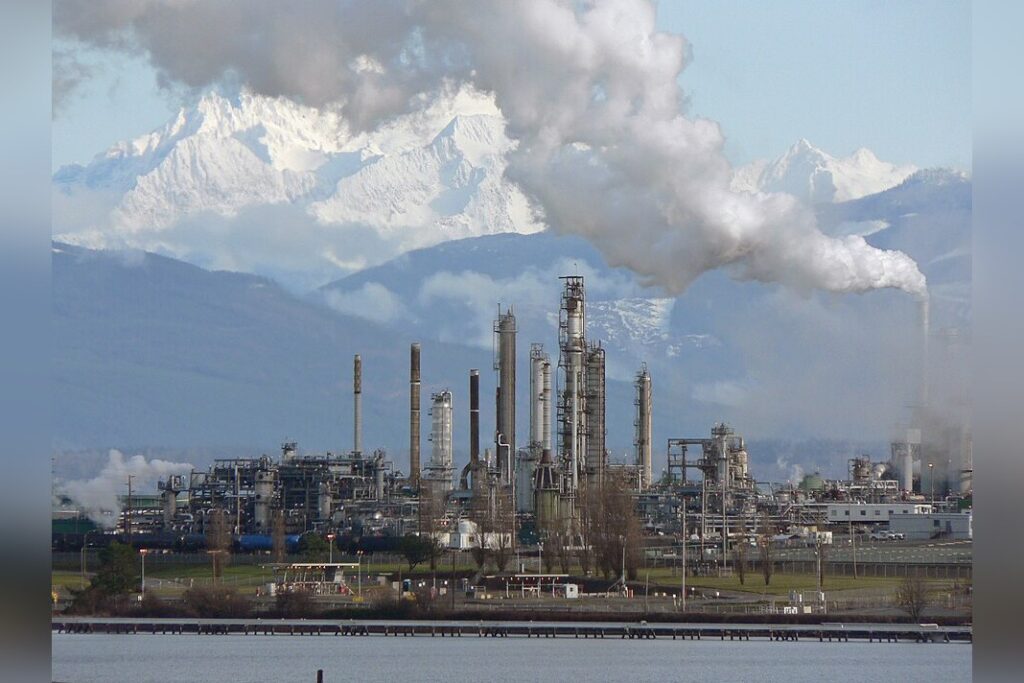
The cause was a drone campaign with a tempo no repair crew could match. Analysts put the damage at roughly 17% of Russian refining capacity – about 1.1m barrels a day, or one sixth of the entire system. The campaign ran in waves, the first from January to the middle of March, the second opening in early August and still going in September. A 30-day truce on energy strikes, agreed by both sides, had expired at the end of April, after which Ukrainian forces left the refineries alone for a full three months before resuming. By mid-September, Novaya Gazeta Europe had counted 40 strikes on Russian refineries that year alone, 25 of them shutting plants down fully or halting fuel output. Five plants had been knocked out entirely – three of them Rosneft’s, one Lukoil’s, and the Afipsky refinery, which belongs to neither major.
The most telling single target was Ryazan. In the early hours of 5 September, drones set the Rosneft refinery there ablaze – a plant that handled more than 13 million tonnes of crude a year, sitting roughly 450 kilometres from the border. It was the fifth hit on that one facility in 2025; earlier strikes had left it idle through most of February and March, and it was still running at half its former level. Between 2 and 24 August, at least a dozen strikes had landed, most of them along the corridor between Ryazan and Volgograd in the south-west, and a blast had damaged the Ryazan-Moscow pipeline, one of the main arteries feeding the capital.
The trend underneath the numbers is tempo. “This is not the first fuel crisis; it has happened several times before the war,” said independent oil and gas analyst Boris Aronstein – but this one, he argued, was different in kind. “The attacks are massive, coordinated, and repeated; they come in waves, and the refineries simply do not have time to repair the damage caused by the previous attack before the next one occurs,” he added. On the ground the mood was souring. “We’ve been waiting for hours, and no one knows if we’ll even get our cars filled,” one driver in the far-eastern city of Dalnegorsk said beside a queue that snaked out of sight. The Motorist’s Den, a Russian car channel with a big Telegram following, joked that “it feels like petrol will soon be poured into champagne glasses rather than fuel tanks”. In Crimea, the Kremlin-appointed head of the peninsula asked residents “to understand the restrictions on 95-octane petrol” and warned that the crunch could run for another month. “All possible measures to stabilise prices are now being taken both by the federal government and by us,” he said.
Why does a fuel superpower run dry? Because the structure had no slack. Petrol output only just covered domestic demand, leaving the system exposed to any knock, and Western sanctions had severed access to refinery technology, so repairs ran slower and cost more. August is the toughest month in the best of years – harvest demand, scheduled maintenance, exporters chasing higher seasonal prices abroad. Moscow had tightened a gasoline export ban in July, and by September the traders Novaya Gazeta Europe spoke to said the ban, due to run to late October, was not working. Independent stations, which account for roughly 40% of Russian fuel sales, had been unable to stock up during the spring because Central Bank borrowing rates made loans prohibitive. And the dampener payments the state has used since 2019 to keep domestic prices down halved in the first eight months of 2025 against the same stretch of 2024; Sergey Vakulenko of the Carnegie Russia Eurasia Center is blunt about them: “They work short-term”. The data agreed: petrol prices rose 7.2% between the start of January and 8 September, against 4% inflation, and August diesel exports fell 22.5% against January’s level.
For all that, the war machine was not yet starving. Most of Russia’s heavy industry and its army run on diesel rather than petrol, and the country still had a surplus of it, while crude kept flowing to buyers such as China and India – the same week, Donald Trump hit imports from India with sweeping tariffs, pointing to Delhi’s reliance on cheap Russian oil. “There is still a long way to go before the transport, agriculture and industrial sectors” – and, most importantly, the army – face serious shortages, argued Vakulenko, though he allowed that, in the worst case, the authorities could turn to gasoline rationing. Traders saw the squeeze running to winter at the earliest, and perhaps deep into 2026. “Demand will remain high for the next five months,” one said. Another, working in Siberia, was blunter: “The situation will remain a mess! There’s not enough fuel, and especially not enough gasoline,” as he put it, adding that “if it weren’t for the drones, I think things would be a lot easier.”
The fixes under debate said something about the depth of the hole. One was refining more Russian crude in Belarus, which has spare capacity, and importing the products back; one oil-market analyst expected the Russian market to start “receiving more gasoline from Belarus in the very near future”. Another, floated by analyst Kirill Rodionov, was to force more fuel through the stock exchange, raising mandatory sale volumes from 15% to 50% for petrol and 16% to 33% for diesel, making it harder for station owners to hold out for higher prices. Novaya Gazeta’s own framing was flatter still: end the war, or abandon the state-regulated price model. The interesting shift of 2025 was not that drones could hit refineries. It was the discovery that the repair clock, not the export ledger, had become the binding constraint – and every new wave reset that clock from zero.
Sources
- Frustrated Russians grapple with fuel crisis as Ukraine attacks oil refineries | Russia | The Guardian
- Tanking it. Ukrainian drone strikes have disabled one sixth of Russia’s oil refining capacity and led to a protracted fuel crisis — Novaya Gazeta Europe




