West Virginia University has been awarded a $1 million PROSPECT Planning Prize to prepare students for mining and critical minerals jobs, highlighting the growing need for workforce training pipelines to meet the surging demand for domestic critical mineral extraction. As the US and other countries invest in critical minerals development, the demand for skilled workers in this field is increasing, with universities and governments establishing programs to train students for these jobs.
The critical minerals industry has seen significant growth in recent years, driven by the increasing demand for technologies such as electric vehicles, renewable energy systems, and advanced electronics. According to the US Bureau of Land Management, critical minerals are vital to the US economy and national security, and the industry is expected to continue growing as countries reduce their reliance on foreign suppliers. However, the development of this industry requires a skilled workforce, and universities are playing a key role in establishing workforce training pipelines.
Background And History
The need for workforce training in critical minerals extraction is not new, but it has gained increased attention in recent years. The US government has been working to reduce its reliance on foreign suppliers, particularly China, which has dominated the global mineral production market. As part of this effort, the government has established programs to support the development of domestic critical minerals industries, including workforce training initiatives. Universities such as West Virginia University are partnering with industry leaders and government agencies to establish programs that prepare students for jobs in mining, processing, and refining critical minerals.
How It Works
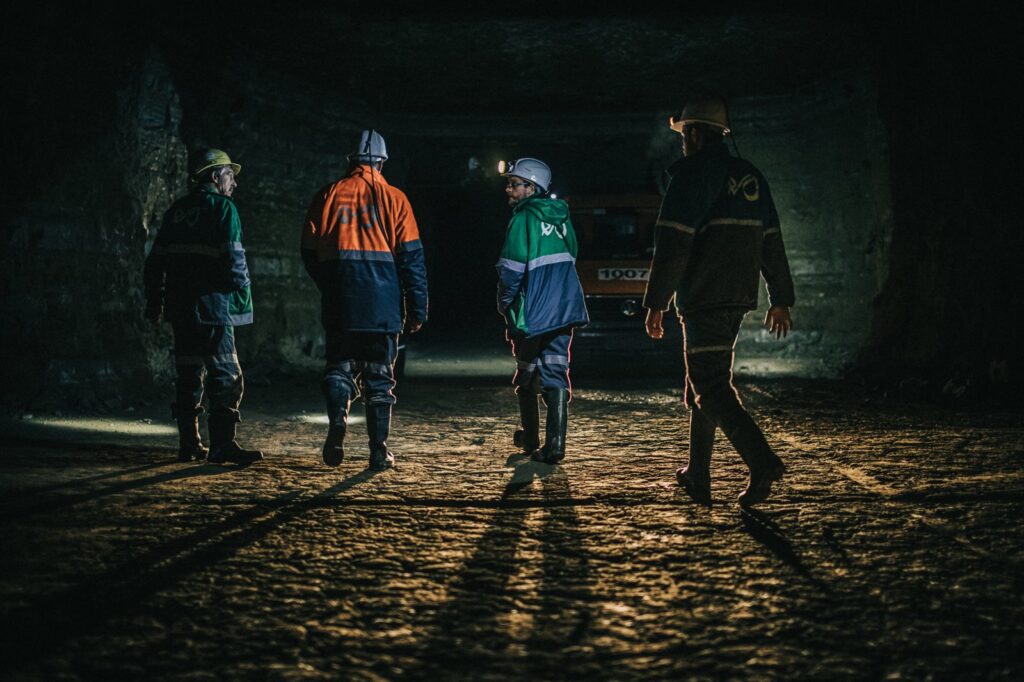
The program will provide students with the skills and knowledge needed to work in the industry, including training in mining, processing, and refining critical minerals. The university will partner with industry leaders and government agencies to ensure that the program is tailored to the needs of the industry and provides students with practical experience and job placement opportunities.
The Numbers
According to the US Geological Survey, the demand for critical minerals such as lithium, cobalt, and nickel is expected to increase significantly in the coming years. The establishment of workforce training pipelines is critical to meeting this demand, as it will provide the industry with the skilled workers needed to extract, process, and refine these minerals.
What It Means Now
Universities such as West Virginia University are playing a key role in establishing programs that prepare students for jobs in this field, and the PROSPECT Planning Prize will support the development of a comprehensive workforce training program. As the industry continues to grow, it is likely that we will see more universities and governments establishing similar programs to meet the growing demand for skilled workers in critical minerals extraction, said Márcio Elias Rosa, Minister of Development, Industry, Trade, and Services.
According to the US Bureau of Land Management, the new Critical Minerals Screening Tool will help accelerate the responsible development of critical minerals resources on public lands, said BLM Director Steve Pearce. The screening tool displays the location of critical minerals concentrations, including rare earth elements, alongside key mining and other infrastructure. The tool has clickable layers for users to display mining claims, land withdrawals, rights-of-way, transmission lines, and power production facilities.
Sources
- Critical raw materials
- The Missing Critical Minerals Investment
- New BLM Tool Helps Industry Identify Known Critical Minerals Resources | Bureau of Land Management
- 4 Critical Minerals Stocks That Could Benefit as the U.S. Reduces Reliance on China
- 'Fully and immediately': US urges China to honour trade commitments, flags concerns over rare earths and farm purchases | Today News
- Brazil sets investment priorities for critical minerals
Photo: Peeter paaver (CC BY 4.0)