
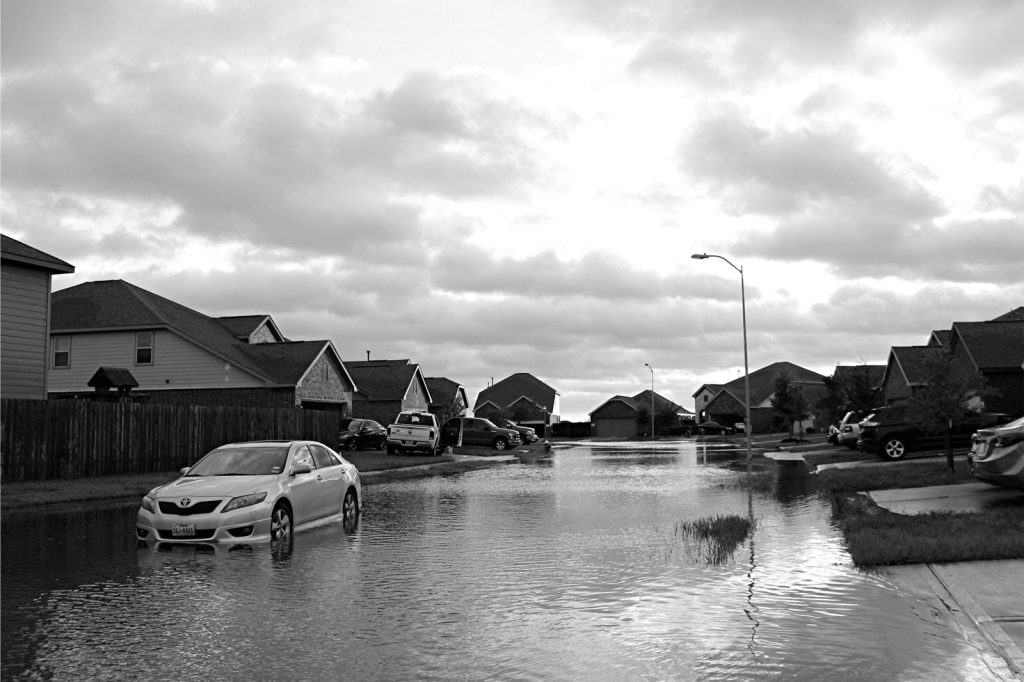
California has declared 364 disasters since 1980. Texas is right behind at 359. No other state comes close, and the two together average more than seven declarations a year between them, according to USAFacts, the nonprofit that publishes US government data.
Nationally, the figure is 125 a year. That average covers the five full years from 2021 to 2025 and comes from Federal Emergency Management Agency records. The year now underway is running hotter: 133 declarations through September 2026, already above the five-year average.
What a declaration is
It is a formal request for federal aid, not a weather report. State, local or tribal governments file it once their own resources are overwhelmed. Governors send most of them, though tribal nations can apply on their own. Nothing happens until the president approves. USAFacts says the count moves with the type and severity of disasters, with whether the president says yes, and with other factors.
Two types dominate. A major disaster declaration covers hurricanes, tornadoes, snowstorms, floods, earthquakes, wildfires, volcanic eruptions, landslides, mudslides, droughts, explosions and other severe natural events, the kind that cause widespread damage and take years to recover from. An emergency declaration applies when federal help is needed to protect lives, property, or public health and safety. Aid there is capped at $5 million, and the category has covered COVID-19, terrorist attacks and power outages.
Fire management is the third. Fires can also fall under the other two, but this category runs on a faster track: decisions are usually made within a few hours rather than on the longer timelines the other declarations follow.
What gets declared
As of September 2026, the year’s declarations include 66 for fires, 21 for winter storms, 17 for severe storms and 11 for floods.
The long run looks similar. Since 1980 FEMA data shows 4,521 declarations across 27 disaster categories. Fires account for 1,735 of them, or 38.4%. Severe storms follow with 1,110 (24.6%), then floods with 520 (11.5%), hurricanes with 407 (9%) and snowstorms with 149 (3.3%). The total runs high partly because states and Native American tribes can each be declared separately for the same event, and COVID-19 alone produced 164 biological emergency declarations in 2020.
Oklahoma, Washington state, Florida and Oregon each fall between 100 and 300. At the other end, Delaware has the fewest of any state with 24, and American Samoa the fewest of any territory with 14. USAFacts refreshes the page monthly, so the average shifts as new declarations are added.




